Created by the Kawaii Vibe editorial team. Our named style desks are editorial personas. Product details and availability can change.
Here is the short answer. Dress for the afternoon, then add layers you can take off without ruining the outfit. A good base is a top that looks finished on its own, a middle layer that opens down the front, and one outer piece that is easy to carry. If you can only fix one thing, fix the middle layer.
A 15 degree swing (that is roughly 27 degrees Fahrenheit) is annoying because no single outfit is right all day. Dress for 7am and you sweat by lunch. Dress for 2pm and you shiver on the commute. The fix is a system, not a single perfect item.
This guide gives you formulas you can copy, plus the small details that decide whether a layer is a pleasure or a burden once it is off your body. It works for spring or autumn, in any hemisphere, because it is built around temperature change rather than a calendar. Where we mention products, they are optional ideas, and we are a retailer, not the maker of anything we list.
The Core Rule: Dress for the Afternoon, Add for the Morning
Start by picturing the warmest hour you will be outside, not the coldest. Build the outfit that feels right then. That is your base, and it stays on all day. Everything else is a morning extra that has to come off cleanly.
This flips the usual instinct. Most people grab a heavy jumper because the first step outside is cold, and then spend the afternoon holding it. When the base is right, the extras can be light, because you only need them for a few hours.
A quick test: take away your outer layers in your head. If what remains looks unfinished, too sheer, or oddly cut, the base is wrong. A tee, a fitted tank with a shirt, or a knit top with a clean neckline all pass. A top that only works under a jacket does not.
Keep the number of layers at three or fewer for most days. Base, middle, outer. Four layers means something will end up in a bag, and bags get heavy.
- Base: right for the warmest hour
- Middle: opens at the front, easy to remove
- Outer: light enough to carry or tie
- Check the base alone in a mirror before you leave
Formula One: Tee, Open Cardigan, Light Jacket
This is the workhorse. Wear a plain or graphic tee as the base, an open cardigan as the middle, and a short jacket on top. In the morning all three are on. By midday the jacket is off, and by afternoon the cardigan goes over a chair or around your shoulders.
The reason it works is that each piece covers a different temperature band. The tee handles warm. The cardigan adds a gentle step down. The jacket handles wind and the real cold start. Nothing is doing two jobs badly.
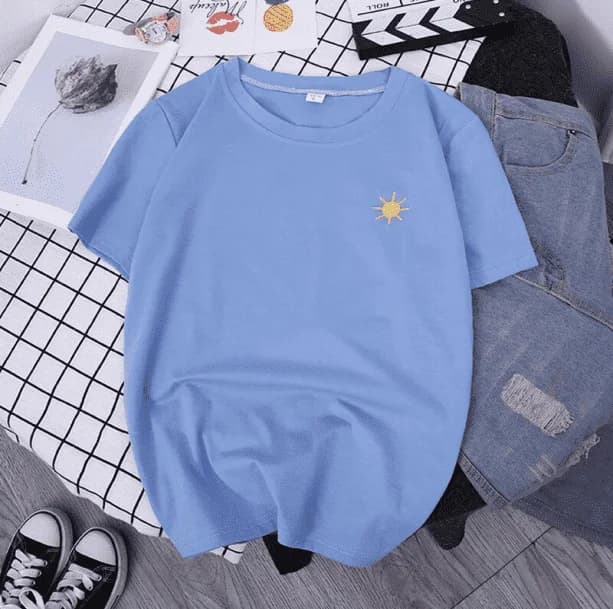
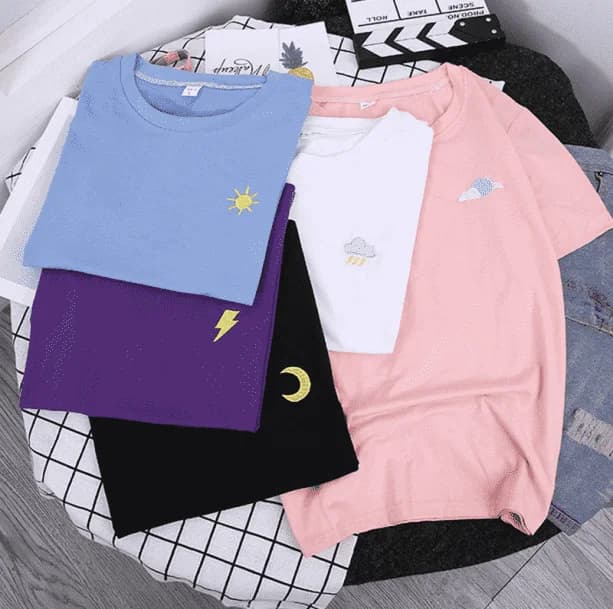
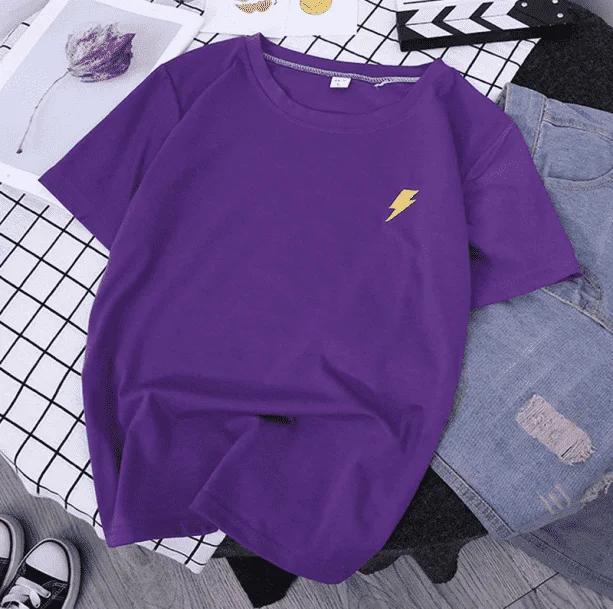
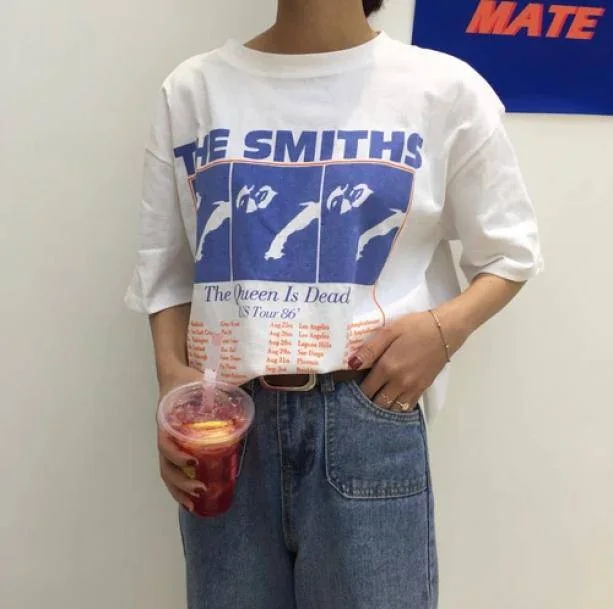
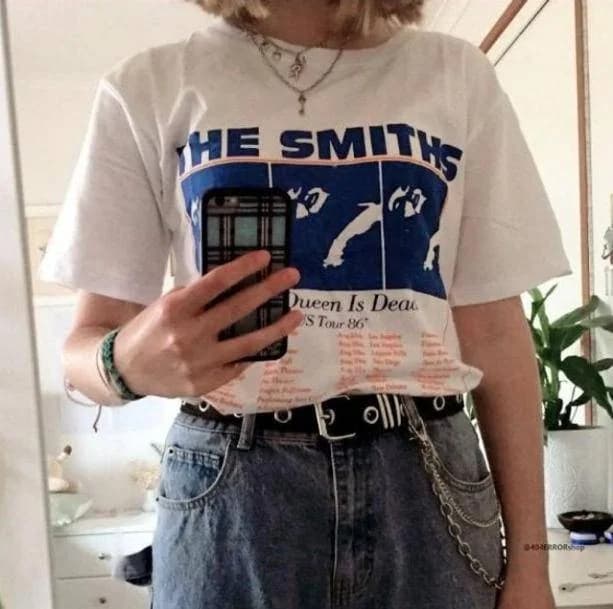
For the tee, the Weather Report T-Shirt is a fitting optional pick given the topic. It is listed in cotton and polyester blend, in Blue, Purple, Black, White and Pink, sizes M to XXL. Pick a colour that sits comfortably with your cardigan, so the base still looks planned when the layers come off.
Proportion matters here. A cropped or standard tee under a longer cardigan gives you a stepped shape, and the jacket should end at or above the cardigan hem, not below it. Otherwise the cardigan peeks out awkwardly and looks like a mistake.
You can browse more base options in Tops & T-Shirts and compare how each neckline will sit under a knit.
Choosing a Cardigan That Works as a Middle Layer
Not every cardigan is a good middle layer. The best ones have a front that stays closed or open without fuss, sleeves that push up or pull down easily, and a weight that does not bunch under a jacket. Heavy, chunky knits are usually better as the outer layer on cold days.
Look at the buttons and the opening. Buttons let you adjust, so you can close one or two for a cool morning and leave it open later. A cardigan that only hangs open offers less control. Check the sleeve too, since a tight cuff is hard to shove up to the elbow.
A few from our range suit this job. The French Girl Polka Dot Cardigan comes in Blue and Pink, sizes S to L, in polyester. The Gossip Team Polka Dot Cardigan is a polyester and cotton mix in Purple, Blue and Beige. The Coffee Break Polka Dot Cardigan is in Brown, listed as Free Size, so check the listing before you order if fit is a worry.
If you want more choice, the full Cardigan Sweaters collection lets you compare lengths and colours side by side.


Formula Two: The Cardigan-Top Single Layer Swap
Some days you want fewer pieces. A cardigan that works as a top solves this, because it is the base and the middle layer in one. You wear it buttoned for the cold part of the day and open over a tank or bare-armed camisole if you are comfortable with that when it warms.
The Campus Secrets Colorful Button Stripe Cardigan Top is a natural fit for this idea. It is listed in Blue, in a cotton and polyester mix, sizes S to L. As the name suggests, it is cut as a cardigan-style top, so think of it as something to button up or wear loose depending on the hour.
Pair it with straight or wide trousers or a skirt, and put a light jacket over it only for the first hour or two. Because the stripes already give the outfit interest, keep everything else plain. Stripes plus a patterned jacket plus a printed bag tends to feel crowded.
One caution: if you plan to wear a top underneath, look at how the buttons sit and whether the front gapes. Try it at home with the exact layer you intend to use before you commit to wearing it out for a full day.

Choosing the Outer Layer: Weight, Length and Carry
The outer piece is the one you will most likely carry, so think about it as luggage as well as clothing. A good transitional jacket is light enough to fold, short or mid length, and does not need babysitting. If it wrinkles badly or has a stiff structure, you will resent it by noon.
Length decides how it pairs with everything else. A cropped or hip length jacket works with high waisted trousers and skirts, and it sits above most cardigans. A longer coat gives more warmth but is harder to carry, so save it for days where the afternoon high is still fairly cool.
Check pockets too. Deep pockets let you stash gloves, a scarf or earphones, which makes the whole system easier. A secure closure matters if you will be walking in wind.
For options, browse Coats & Jackets and compare lengths, closures and how bulky each looks in the photos. If a listing does not mention lining or water resistance, do not assume it. Ask or look at the description for what is actually stated.

Formula Three: Zip-Up Knit for Unpredictable Days
A zip front is useful when temperature changes quickly, because you can adjust in one second without taking anything off. Open it a bit for a warm bus, close it fully against wind. That is a different kind of flexibility from buttons.
The Candy Stripe Knit Zip-Up Hoodie is a good example of this kind of piece. It is listed in a Pastel option, polyester, sizes S to L. Wear it over a plain tee and straight jeans, and use it as the middle layer under a bigger jacket on the coldest mornings, or as the only layer once the sun is up.
The hood is the thing to think about. Under a jacket, a hood can bunch behind your neck and make the collar sit badly. If you plan to layer it, try the combination first and see whether the hood is comfortable or annoying. If it is annoying, wear the hoodie as the outer layer and skip the jacket on milder days.
Keep the bottom half simple. A pastel knit already carries colour, so neutral trousers or denim will let it stand out without competing.
Formula Four: Mesh or Sheer Layers Over a Base
Sheer and mesh tops give you a way to add a little coverage without much warmth, which suits the in-between hours. They work as a light second layer on the warmer end of the swing, when a cardigan is too much but bare arms feel slightly too cool.
The Japanese Streetwear Mesh Top is one option. It is listed in polyester, as pictured, in one size, with a Harajuku and alternative style description. Treat it as a layeringWearing pieces over or under one another to add depth, warmth or contrast. piece over a solid tank or fitted tee rather than something to wear alone, unless you are comfortable with that.
Because it is one size, check the listing images to judge how loose or fitted it looks, and think about how that will sit under a jacket. Sheer fabrics can catch on zips and rough knits, so pick a smooth outer layer if you can.
This is the least warm of our formulas, so use it for days where the morning chill is mild and the afternoon is properly warm. On a truly cold morning, add a real cardigan or jacket on top.
Bottoms and Footwear: The Overlooked Half
People plan tops carefully and forget their legs. Yet bottoms are the hardest to change during the day. You cannot easily remove trousers, so choose them for the middle of the temperature range.
Mid weight trousers, straight leg jeans and midi skirts all handle a swing well. Very thick denim or lined trousers can feel heavy in the afternoon, while very thin leggings may feel cold in the morning. If you wear skirts, add tights that you are happy to keep on through the warm hours, or pick a skirt long enough to feel comfortable bare legged later.
Shoes are similar. Closed, breathable shoes such as sneakers or loafers cover most days. Boots are great for cold mornings but hot by afternoon, so they suit the cooler end of the range. Sandals are risky unless you are certain about the afternoon.
For a relaxed day, a matching set can simplify things. The Moodboard Girl Loungewear Set is listed in Brown, Beige and Black, polyester, sizes S to L. It could serve as a comfortable base for casual days, with a jacket added on top. Check the listing to see exactly what the set includes before ordering.
Autumn Versions of the Formulas
In autumn, the swing often runs from a properly cold start to a mild afternoon. That means the outer layer should be a little warmer, and the middle layer a little more substantial. The base can stay light.
A practical autumn stack is a long sleeve tee or fine top, a mid weight cardigan, and a jacket or coat with some body. Rich tones like brown, beige and deep blue are easy to combine. A brown cardigan over a white tee with dark trousers looks deliberate and calm.
Scarves are a good extra in this season because they come off faster than any garment. A scarf at the neck can make a big difference at 7am and sits in a bag at 2pm without taking much room.
For ideas organised by season, see Fall Clothes. Try picking one jacket and one cardigan first, then add bases around them. That way you can rotate bases through the week while the outer pieces stay constant.
Spring Versions of the Formulas
Spring swings can come with rain and wind, and the afternoon may feel warmer than the forecast. The base can be lighter than in autumn, and the outer layer should deal with wet or gusty conditions if your weather calls for it.
Think lighter colours and thinner knits. A pastel or soft toned cardigan over a tee, with a short jacket on top, suits this well. If the day starts cool and warms quickly, a button front cardigan alone may be enough once the jacket is off.
Fabric choice matters more than people expect. Very thin layers can feel chilly in a spring wind, while very warm ones are too much by lunch. Aim for medium weight pieces you can open up.
You can browse Spring Outfits for lighter, softer pieces that suit this season, then use the formulas above to decide which layers you need. Do not assume a piece is waterproof or lined unless the listing says so.
How to Carry Layers Without Hating Them
The hidden cost of layeringWearing pieces over or under one another to add depth, warmth or contrast. is what you do with the clothes once they are off. If carrying is miserable, you will stop layeringWearing pieces over or under one another to add depth, warmth or contrast. and just be uncomfortable. A little planning fixes that.
A roomy tote or backpack handles a cardigan easily if the knit is not too chunky. Fold it in half, then roll it. A light jacket can be tied at the waist, but only if it does not ruin your outfit. Tying a bulky coat at your waist usually looks lumpy and pulls your trousers down.
Think about order. Take off the outer layer first, then the middle. Put the middle layer away only after you are sure the weather is staying warm. Many people stuff a cardigan away and then regret it when the wind returns.
Also consider where you will sit. Offices, cafes and trains can be cold or warm, which affects when layers go on and off. Having a light layer on hand is helpful indoors as well as outside.
- Roll knits instead of folding them flat
- Keep a small bag for layers on long days
- Do not tie bulky coats at the waist
- Keep a scarf in your bag as the quickest extra
Common Mistakes and How to Fix Them
The most common mistake is dressing for the morning. You feel smart at 7am and miserable by noon. Fix it by choosing the base for the afternoon every time, then adding.
Second, too many thick layers. Two bulky knits under a coat make a stiff, hot outfit that is hard to remove. Choose one medium layer rather than two heavy ones.
Third, ignoring how pieces fit together. A cardigan that is too long peeks under a short jacket, and a hood bunches under a collar. Try the full stack at home once, then adjust before the real day.
Fourth, assuming details that are not listed. If a product listing does not say it is water resistant, warm or stretchy, do not count on it. Read the material line and look at the photos, and choose another piece if you need a feature that is not stated.
Finally, forgetting the base. If the outfit only works with the jacket on, you will be stuck wearing it all day in the warm part.
A Quick Checklist Before You Leave the House
Run through this list in under a minute. It catches most problems before you are outside and stuck with them.
First, check the forecast range, not just the average. Note the low in the morning and the high in the afternoon. A swing of 15 degrees means you need at least two removable layers. If rain or wind is likely, make the outer layer one that handles it.
Second, check the base alone. It should feel right at the warmest hour and look finished without anything over it.
Third, check the middle layer opens easily and the outer layer is easy to carry. Make sure you have somewhere to put them, whether that is a bag or a hook at work.
Finally, add one small extra such as a scarf, and keep your shoes and bottoms in the middle of the temperature range. With that done, you are ready for a day that changes its mind.
If you are building a wardrobe from scratch for these days, start with one cardigan, one jacket and two bases, and add from there.
- Forecast low and high checked
- Base looks finished alone
- Middle layer opens easily
- Outer layer is carryable
- Bottoms and shoes suit the middle of the range
- Scarf or small extra in the bag