Created by the Kawaii Vibe editorial team. Our named style desks are editorial personas. Product details and availability can change.
If you want the short version: choose warm white bulbs for the lamps you sit near in the evening, keep one cooler, brighter light for tasks like reading small print or doing makeup, and never rely on a single ceiling light for everything. That one change does more for a warm light bedroom aesthetic than any amount of decor.
Most rooms feel flat or harsh because of two things: one bright overhead source, and bulbs that don't match each other. Fixing both is cheap. You don't need a full rewiring or a pile of gadgets, just a few lamps at different heights and a bit of label reading.
This guide covers what the numbers on a bulb box mean, how to layer light, where to put each lamp, and how cute pieces like mushroom nightlights and string lights fit in. Where we mention products from the shop, they're optional ideas, and we only describe what's on the listing. Always check the listing for bulb or light details before you buy.
The Quick Answer: Warm for Mood, Cool for Tasks
Warm light is the yellow-gold glow you associate with candles and old-school lamps. Cool light leans white or blue, like a bright office or a bathroom mirror. For a cozy room, warm wins in the places you relax: bedside, reading chair, shelves, the glow behind your bed. Cool or neutral light earns a spot only where you need to see details clearly.
A good rule is about 80 percent warm, 20 percent neutral. The warm part sets the atmosphere. The neutral part is a single dedicated task lamp, such as a desk lamp you switch on for homework, sewing, or a skincare routine, then switch off again. That way the room never feels like a clinic, but you aren't squinting either.
Think of it as two modes. Evening mode: ceiling light off, two or three small warm lamps on. Task mode: one focused lamp on, everything else dimmed or off. If your room can switch between those two moods in a few seconds, you've done the hard part. Everything else in this guide is just about choosing and placing the pieces to make that switch easy.
One more thing worth saying early: warm doesn't mean dim. You can have a bright warm lamp or a dim cool one. Tone and brightness are separate dials, and cozy rooms usually get both right.

What Kelvin Numbers Actually Mean
Bulb boxes list color temperature in Kelvin, shown as a number followed by K. Lower numbers are warmer, higher numbers are cooler. As a rough guide, around 2200K to 2700K looks like candlelight or a classic warm bulb. About 3000K is a soft white that's still friendly. Around 4000K is neutral, and 5000K and up looks like daylight or a bright shop.
For a cozy aesthetic, shop mostly in the 2200K to 3000K range. If you like a slightly crisper, cleaner look, such as a minimalist white room, 3000K is a safe ceiling. If you want deep amber, go lower, but know that very low numbers can make whites and pastels look yellowish or muddy.
That last point matters for kawaii palettes. Pastel pink, mint and lilac walls shift under warm light. Pink gets peachier, mint gets a little greener-yellow, lavender can look greyer. None of that is bad, but it's worth testing one bulb before buying six. Hold your fabrics, posters or plush toys under the lamp at night and see if you like the change.
Also note that packaging names are loose. Soft white, warm white and daylight mean different things between brands, so trust the Kelvin number over the name whenever it's printed.
Brightness Matters as Much as Tone
People blame cool bulbs for a harsh room when the real culprit is too much brightness. Brightness is measured in lumens, not watts. Watts only tell you how much power a bulb draws. Lumens tell you how much light you actually get. If a box lists both, look at lumens first.
For mood lamps, lower is better. A bedside or shelf lamp usually wants a modest output, because you're creating a glow, not lighting a stage. For task lamps, go higher. A reading or desk lamp needs enough punch to light a page without you leaning toward it. If a lamp is dimmable, you get both in one object, which is a good reason to prefer dimmable bulbs for the main lamps in your room.
Be careful with that, though. A dimmable bulb needs a compatible dimmer or lamp, and we can't promise compatibility for any shop item beyond what its listing says. If a lamp or light set doesn't mention dimming, assume it doesn't dim and plan around that, perhaps by pairing it with something adjustable nearby.
A quick comparison habit: put the lumens, the Kelvin number and the bulb base type in a note on your phone for each lamp. When one burns out, you can replace it with the same specs rather than guessing, and your room stays consistent.
Build Three Layers of Light
Designers talk about layers, and it's less fancy than it sounds. Ambient light is the general glow that fills the room, like a ceiling fixture or a pendant. Task light is focused, like a desk lamp. Accent light is decorative, like string lights, a nightlight or a glowing wall piece. A cozy room uses all three, but ambient is usually the one you turn down.
Here's a simple starter combo for a bedroom: a ceiling or pendant light you rarely use, a bedside lamp on warm, a small accent glow near a shelf or the headboard, and one task lamp on the desk. Four sources, each with a job. If you only have budget for three, drop the pendant and rely on lamps, because lamps at lower heights are what make a room feel snug.
The common pitfall is putting all your light at one height. If everything sits at ceiling level, shadows fall straight down and faces look tired. Spread light across low (floor or bedside), mid (desk or shelf) and high (hanging or wall) so the glow reaches walls and corners.
You can browse ideas for each layer in the shop's aesthetic lighting collection, which is a handy place to compare lamp shapes and string lights side by side before you choose a lineup.
Where to Place Lamps for Mood
Mood lighting works best when you can see the glow on a surface rather than staring at the bulb. Aim lamps so light lands on a wall, a curtain or the ceiling corner. Bounced light is softer than direct light, so even a modest lamp feels warm and calm when it's near a light-colored wall.
Place your main mood lamp at roughly eye level when you're sitting or lying down in the spot you use most. In a bedroom, that's often a bedside table or a low shelf. Avoid putting the only lamp directly behind a screen or TV, because the contrast makes your eyes work harder. Instead, put a small lamp to the side of the screen so the room isn't pitch dark behind it.
Corners are underused. A small lamp or nightlight on the floor or a low shelf in a corner makes the room look bigger because the edges are lit. Triangles also work: if you have three lamps, try placing them in a loose triangle around the room, say bedside, desk and opposite corner, so no area is stuck in shadow.
Leave a bit of dark on purpose. Cozy isn't evenly lit. A few pools of warm light with soft shade in between feels more inviting than a room where every inch is visible.
Where to Place Lamps for Tasks
For tasks, think direction. If you're right-handed, put the task lamp on your left so your hand doesn't cast a shadow on the page. If you're left-handed, flip it. That small switch beats buying a stronger bulb. Position the lamp slightly in front of you or to the side, not directly overhead or behind.
Keep the bulb out of your direct line of sight. A shade, an angled head, or just a lower position stops glare. If you see a bright spot reflected on your screen or glossy paper, move the lamp rather than turning up the brightness. Reflections are a placement problem, not a power problem.
Use neutral light (around 3500K to 4000K) in the task lamp if you need accurate color, for example applying makeup, matching thread, or doing crafts. Then keep every other lamp warm. The contrast actually helps, because switching on the task lamp feels like a deliberate mode change, and switching it off signals it's time to wind down.
If your desk is also where you hang out, pick a lamp with a cute shape but check the listing for how it's powered and whether it's meant for task use or mostly as a decorative glow. Not every novelty lamp is designed to light a page, and that's fine as long as it's paired with something that is.
A Bedroom Setup You Can Copy
Here's a full example for a small bedroom with a bed, a desk and a shelf. Layer one: leave the ceiling light as backup. Layer two: a warm bedside lamp on one side of the bed, a second smaller warm lamp or nightlight on the opposite side or on a dresser. Layer three: string lights draped along the headboard wall or a shelf edge. Task: one neutral desk lamp.
Proportions help. A bedside lamp should be about as tall as the distance from the tabletop to your shoulder when you're sitting up in bed, so the light falls over your book rather than into your eyes. If the table is tiny, choose a slim lamp or wall-mounted option, so you still have room for a glass of water and a phone charger.
Weather and season don't change the setup much, but the feel does. In a hot climate you may prefer fewer lamps on at once, since each one adds a little heat, while in a cooler climate more warm sources feel cozier. Either way, spread the glow around rather than stacking everything on one nightstand.
For layout inspiration beyond lighting, the aesthetic bedroom collection shows how bedding, shelves and lamps can share a palette so your warm glow lands on colors you actually like.
Small Rooms, Dorms and Renters
Small or rented spaces need lighting that is flexible and doesn't damage anything. Start with plug-in or battery-powered pieces that sit on surfaces rather than anything that needs drilling. A lamp on a shelf, a nightlight on a dresser, and a string of lights on a removable hook can transform a dorm without touching the landlord's walls.
In a small room, keep lamps compact and raise them off the floor if possible, so the light spreads. A tiny lamp on the floor lights only the floor. The same lamp on a bookshelf lights a wall and part of the ceiling, and the room looks bigger. If surface space is tight, use the vertical line: a hanging light, a wall glow or a shelf lamp.
Shared rooms add another issue: one person wants to sleep while the other wants light. A low, warm, directional lamp or nightlight lets one person stay up without lighting the whole room. Pick something with a small footprint and a gentle glow.
Check any lighting product's listing for how it is powered, since many small lights run on different sources. Follow the maker's instructions, and don't leave anything covered by fabric or paper in a way the instructions don't allow. If the listing doesn't mention it, treat it as unknown.
String Lights: Fast Warm Glow
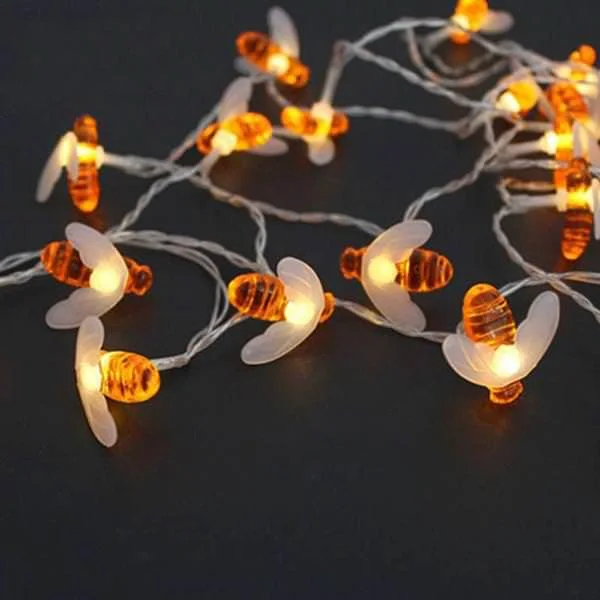
String lights are the easiest accent layer because they add many small points of light and no single bright spot. The Honey Bee String Lights are listed in two lengths: 5m / 16 ft with 20 LEDs, and 10m / 32 ft with 40 LEDs. Both have the same density of one LED per quarter meter on paper, so the longer one is about covering more space, not getting a brighter glow.
Choose length by the area you're lighting. A short run suits a headboard, a mirror frame or one shelf. The longer run suits a wall, a window frame or a canopy. Measure the path first with a piece of string, then compare it to the listing, and allow extra for curves and the distance to a power source or battery spot.
Placement tips: keep strings at least a hand-width from curtains and posters so the light has some air around it and the shape of the bees or bulbs is visible. Zigzag along a wall instead of making one straight line, which looks stiff. Leave a plain gap between string and ceiling so the glow looks intentional.
We don't list a color temperature for these, so check the product page before you buy if tone matters to you. If you want them to blend with warm lamps, make sure the glow reads warm, and if it doesn't, keep them on a separate area of the room so tones don't clash.
Pendants and Overhead Light
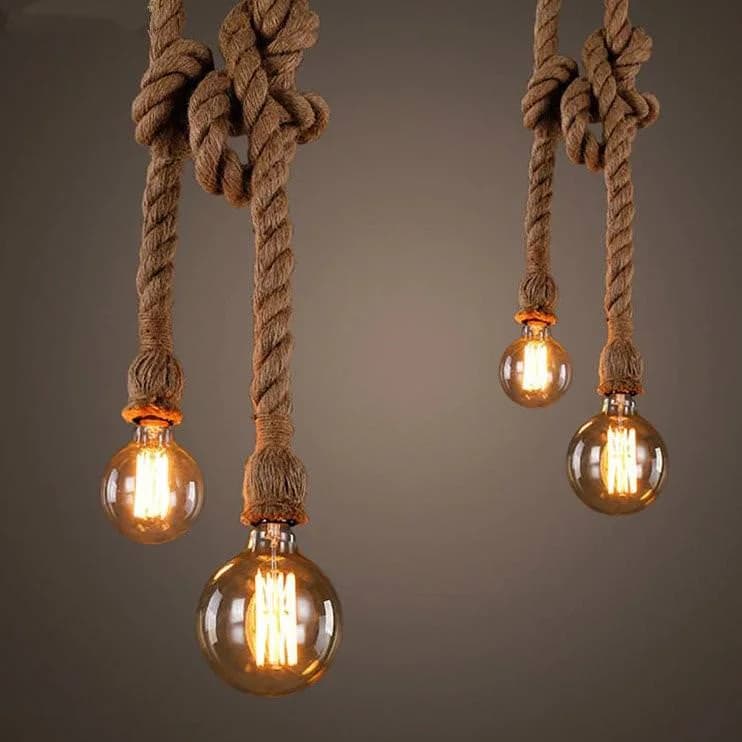
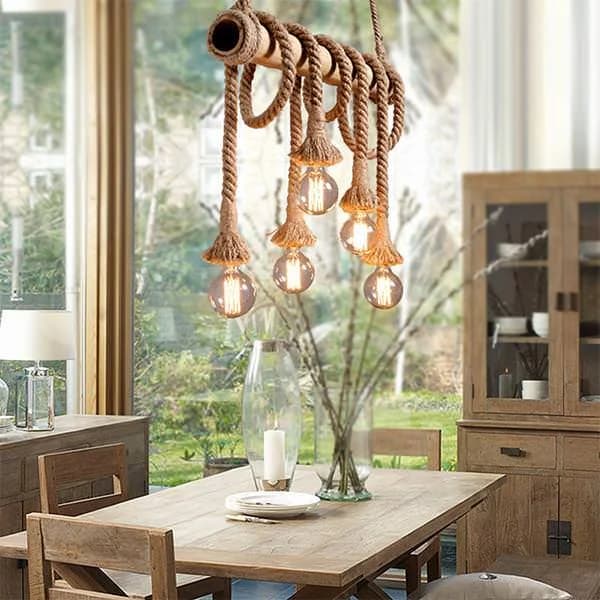
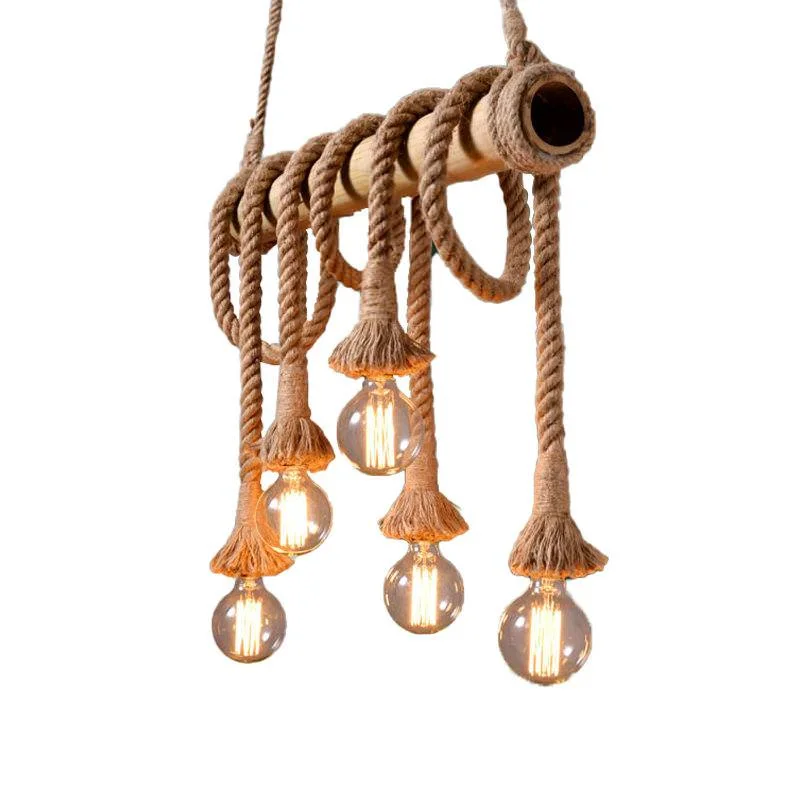
Overhead light is the layer people use too much. If your room has a harsh ceiling fixture, you can soften it, add a lamp-height alternative, or install a better pendant. The Vintage Rope Pendant Light is listed in 100cm / 39 in and 200cm / 78 in lengths, with one-head or two-head options. It suits a reading nook, over a bedside, or above a small table where a hanging light has a clear purpose.
Choose cord length based on ceiling height and how far you want the lamp to hang. A shorter drop keeps the light close to the ceiling for general glow. A longer drop lets you bring the light lower over a table or chair, but you'll need to plan where it hangs so people don't bump it. Two heads cover a wider area or make a pair, while one head is neater in a tight corner.
Whichever you pick, use a warm bulb and decide whether you want it to be a mood source or a task source. Pendants are typically bright because they sit overhead, so a lower-output warm bulb usually feels better in a bedroom. Installation depends on your wiring and local rules, so check the listing, follow the maker's instructions and use a qualified electrician if you aren't sure.
Kawaii Lamps and Nightlights as Accent Pieces
Cute lamps do their best work as accents, not as your only light. A character-shaped lamp is a decorative glow that gives the room personality, and you can rely on a plainer lamp for the practical stuff. Browse the kawaii lamps collection to compare shapes, sizes and colors before you build around one.
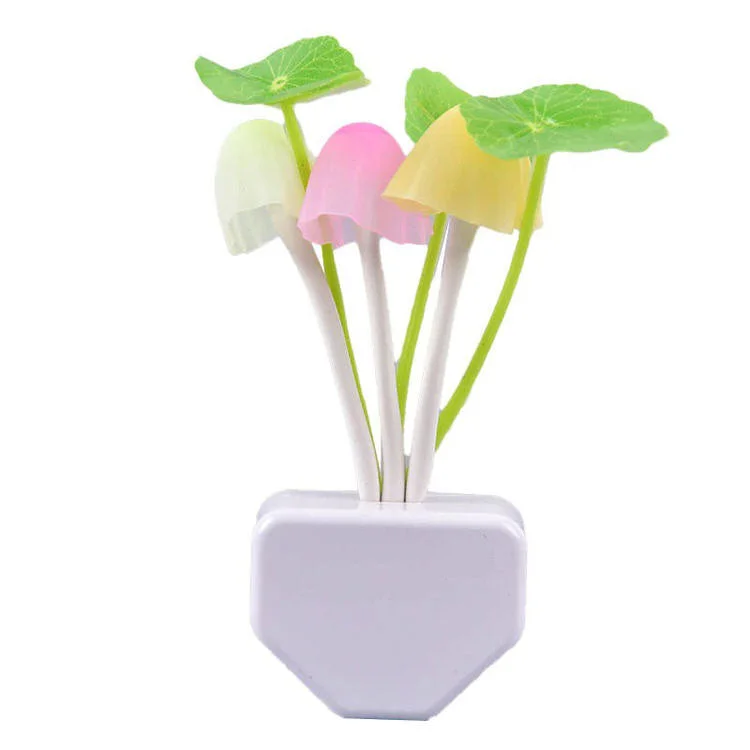
The Magical Mushroom LED Nightlight comes in white in one size, and it's a natural fit for a corner shelf, a bedside table or a desk edge, where a small glow adds charm. Because it's a nightlight, treat it as an accent or a low-level guide light rather than a reading lamp.
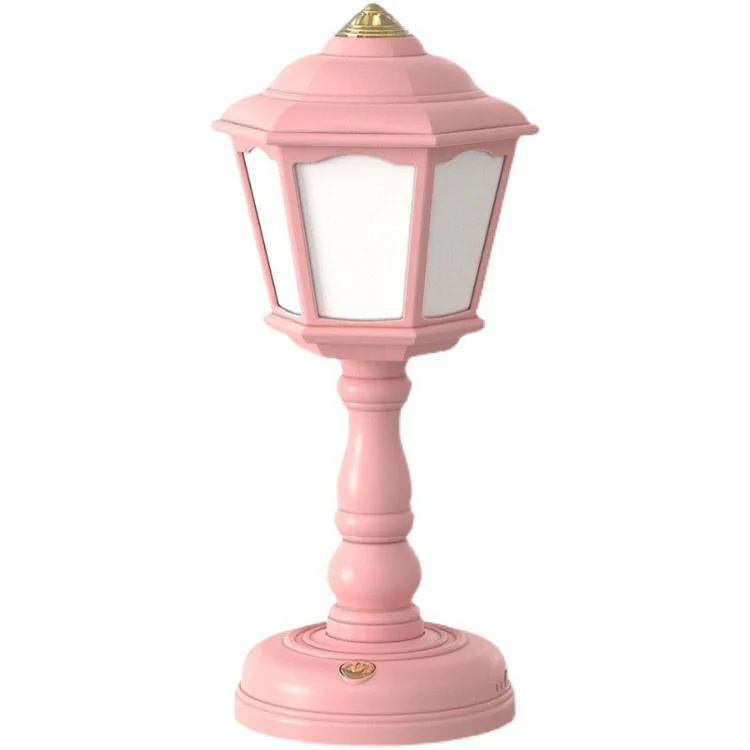
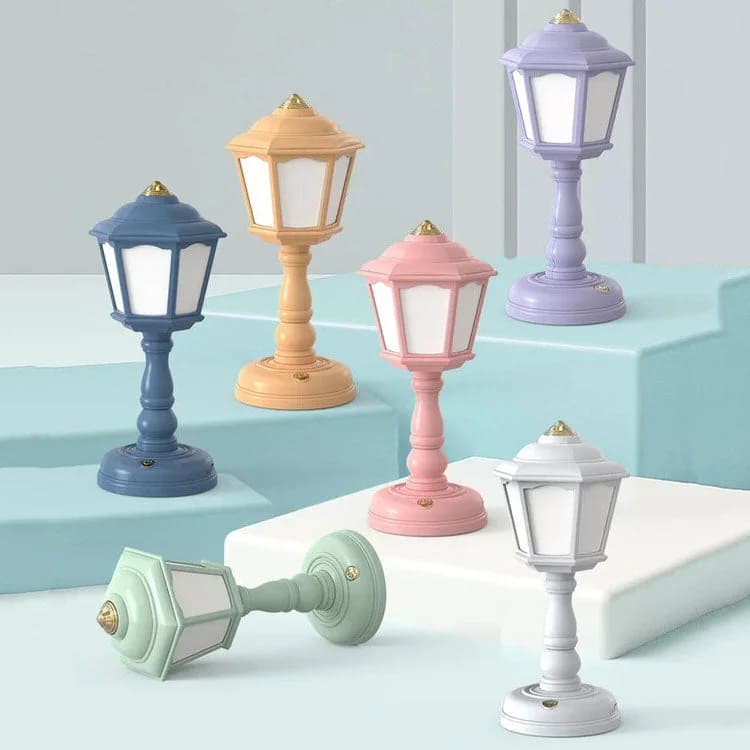
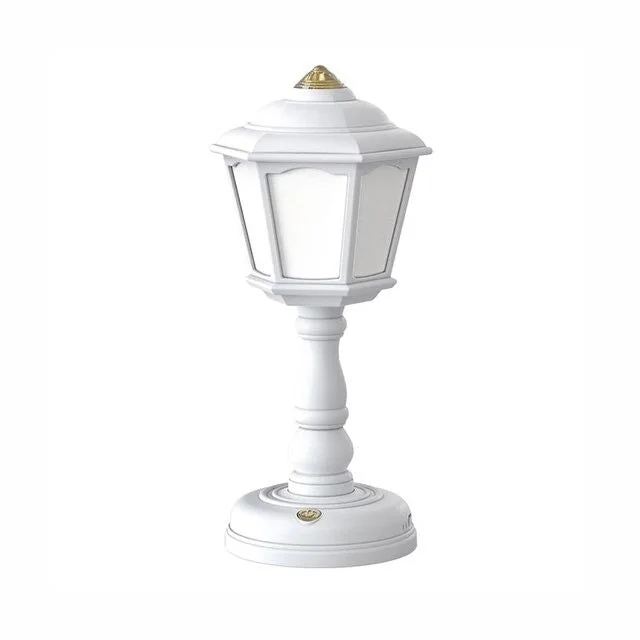
The Street Light Desk Lamp is listed as plastic, in One size, in pink, yellow, blue, green, purple and white. Its shape makes it a good conversation piece on a desk or shelf. Pick a color that matches your palette, since the body color shows even when the lamp is off. For reading or crafts, check how bright it is on the listing, and keep a separate task lamp if it turns out to be more decorative.
A good rule: one hero lamp per zone. If the desk has a street light lamp, let the shelf have something calmer so the room doesn't feel crowded with characters.
Wall Glow and Cozy Decor Details
Light looks better when it has something to land on. The Oil Painting Tapestry & LED Lights Set comes in Window View, Red Evening Sunset, Purple Clouds, Lake and Ducks, in sizes S, M and L. It could work as a backdrop behind a bed or desk, giving your accent layer a focal point. Choose the size based on your wall space, and pick a scene that suits your palette, since the picture is part of the look when the lights are off.
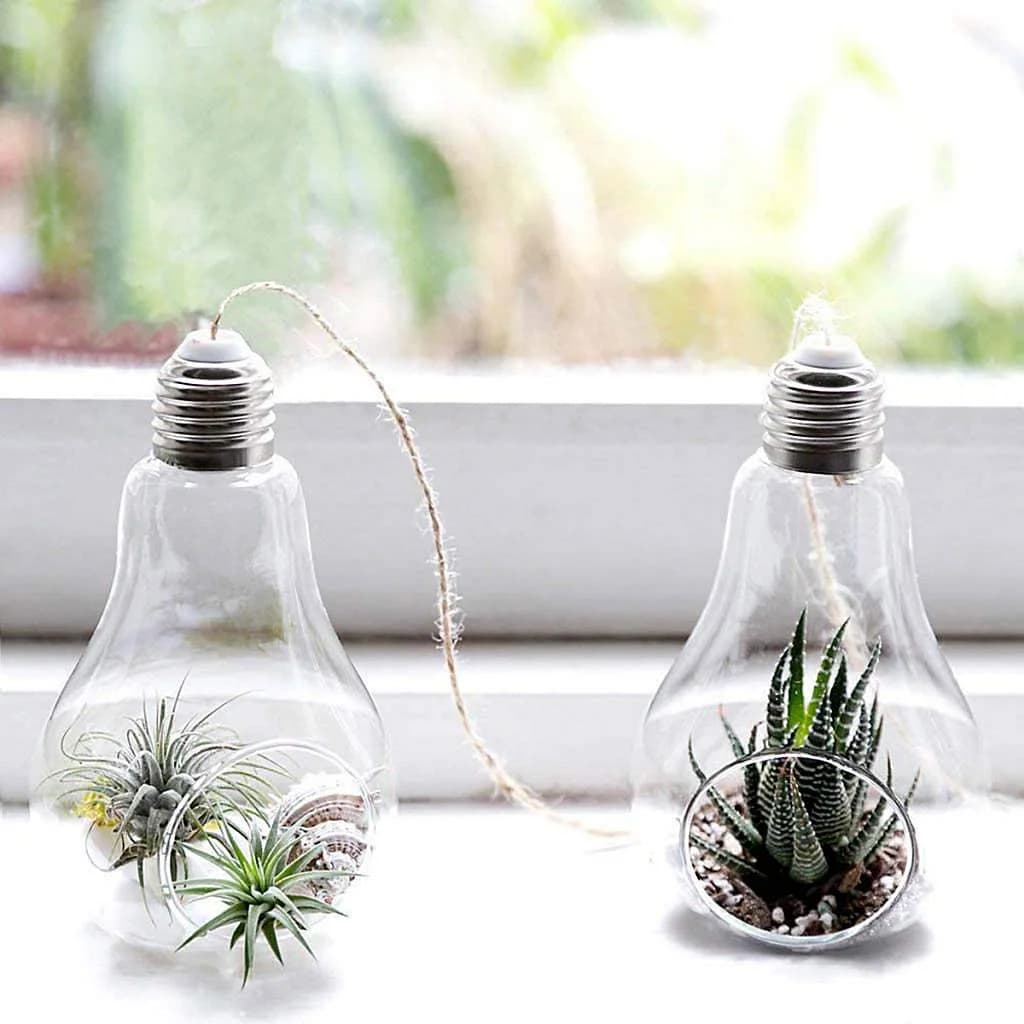
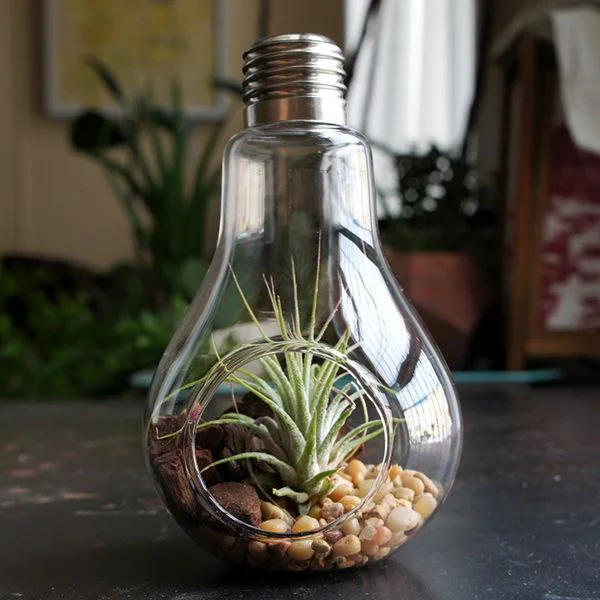
Small objects can carry the mood too. The Light Bulb Hanging Vase could hold a little greenery or a dried stem near a lamp, adding a soft shape in the glow. The Mushroom Aesthetic Mini Mug, a ceramic mug in red or brown, suits a desk or bedside for a late-night drink and echoes a mushroom theme. The mushroom-shaped magnets, sold in options 1, 2 and 3, could dot a metal surface near a lamp.
For more ideas on pulling it together, browse the aesthetic room decor collection. Keep the decor in a limited palette so the light does the talking: two or three colors plus one metallic or wood tone is plenty.
Common Mistakes When Mixing Bulb Tones
The biggest mistake is mixing tones in the same view. A 2700K lamp next to a 5000K ceiling light looks like two different rooms fighting. If you can see two lights at once, they should match or differ on purpose. A warm lamp with a clearly separate cool task lamp is fine, but two similar lamps with slightly different yellows looks like an accident.
Second mistake: buying by name instead of number. Soft white from one brand may be warmer or cooler than another. Buy bulbs in one batch when you can, and note the Kelvin number so you can match later. If you already have mismatched bulbs, swap them around until each area has consistent tones.
Third: bare bulbs at eye level. Even warm light is uncomfortable if you stare straight at it, so use shades, frosted glass or angles that hide the filament. Fourth: lighting only the middle of the room. Walls and corners need some glow, or the space feels like a cave with a bright patch in it.
Finally, ignore colored LEDs for general use. Pink or purple glows are fun for accent moments, but they distort skin tones and make reading unpleasant. Save them for a single shelf or backdrop, and keep your main lamps in a calm white range.
Buyer Checklist Before You Order Lights
Use this list before buying any lamp, string or pendant. It keeps cute impulse buys from turning into a room that looks cluttered or doesn't light what you need. Compare listings, write the answers in a note, and then decide.
After you've made your choices, set the room up in stages: place lamps, switch off the ceiling light, and look from the bed, the desk and the doorway. Adjust heights and angles before you commit to hooks or cable routes. Small moves, like turning a lamp toward a wall, change the feel more than a new bulb.
If something isn't clear on a listing, such as the light color, power source or dimming, treat it as unknown and plan around it. A shop page can only tell you what it says, so match your expectations to that. A few well-placed, warm, properly sized lights will beat a dozen random ones every time.
Start with one task lamp and two warm lamps, then add accents like string lights and a nightlight until the room feels finished.
- Measure the space or wall you want to light, and compare to listed lengths or sizes.
- Write down Kelvin, lumens and base type for every bulb you own.
- Aim for mostly 2200K to 3000K, with one neutral task lamp.
- Check the listing for power source, dimming and light color; if missing, assume unknown.
- Give each zone one hero piece and a quieter supporting light.
- Keep lights away from loose fabric and paper unless the instructions say otherwise.
- Test colors of fabrics and walls under the new light at night.