

Created by the Kawaii Vibe editorial team. Our named style desks are editorial personas. Product details and availability can change.
Short answer: keep one piece of hardware doing the loud work, put it where fabric is sturdy, and let everything else stay smooth. Most snagging comes from chains rubbing against knits, mesh and loose weaves, or from two metal pieces fighting over the same inch of waist. Fix those two things and punk chain belt outfits get far easier to live in.
This guide covers weight, placement, fabric choices, and how to make a hardware-heavy look behave at an airport, in an office, or on a long day out. It also covers how to compare chain belts and studded belts before you buy. Product details here are only what the listings say, so check each page for sizing and finish before ordering.
This guide offers practical styling logic and general wardrobe pairing tips that you can check against your own clothes, one outfit at a time.
The One-Hero Rule
Pick one hero piece per outfit: a chain belt, a studded belt, or a chunky choker. Everything else supports it. Hardware gets noisy fast, both visually and literally, and the more metal touching metal, the more clinking, tangling and snagging you get.
A simple test: stand in front of a mirror and ask where your eye lands first. If it jumps between waist, neck and wrist, you have three heroes. Drop two down to quiet versions, like a thin plain chain or no wrist piece at all.
LayeringWearing pieces over or under one another to add depth, warmth or contrast. is fine when the layers share a purpose. A choker and a thin necklace can work together. A chain belt plus a studded belt on the same hips usually means the two are rubbing, so choose one.
Know What Snags and What Doesn't
Chains catch on anything with loops or loose threads. Knits, crochet, mesh, lace, loose cardigans and fuzzy sweaters are the usual victims. Tight-woven fabrics like denim, twill, canvas and heavy cotton shrug off metal much better.
Think about where the chain actually sits. A belt chain rests against the hem of your top and the waistband of your bottoms, so those two surfaces matter most. A smooth tee tucked in or sitting flat is safer than a chunky ribbed knit that hangs over the chain.
If you love a knit with hardware, tuck the knit in, or choose a belt with a flatter profile. Run a fingertip along the inside of your top before dressing. If it catches on your skin, it will catch on a chain.
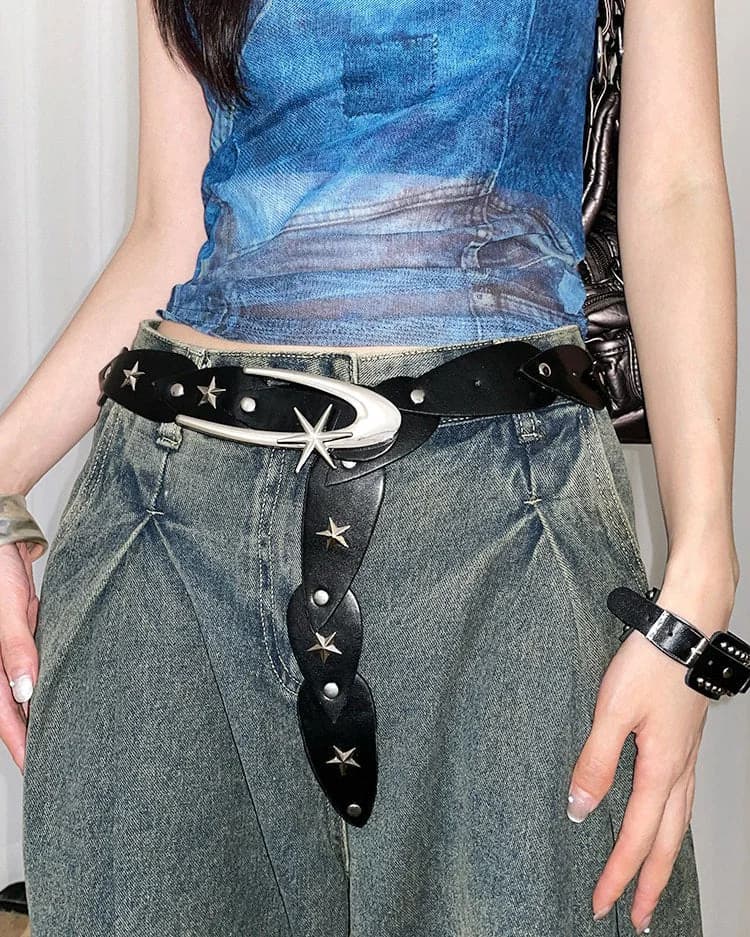
Chain Belts: Where They Sit and What They Pair With
A chain belt can sit at the natural waist, on the hips through belt loops, or slung low over a skirt or loose trousers. Hips are the most forgiving spot for movement, since the chain drapes instead of digging in when you sit.
For a delicate star look, the Star Pendant Chain Belt comes in Silver and Gold, and the Downtown Girl Star Chain Belt comes in Silver. Both suit a plain base: straight jeans and a fitted tee, where the stars are the only detail.
The Mermaid Aesthetic Chain Belt is listed in Gold. Gold reads softer against black or cream than silver does, so it can pair with a slip skirt or low-rise trousers without looking harsh.
You can browse the full range in Belts And Chains and compare drape, links and charm size side by side.


Layered Chain Belts and How to Control Them
Layered styles look rich but create more movement. Several strands swing at different speeds, which means more chance of catching a pocket, bag strap or chair arm.
Options include the Vintage Style Coin Layered Chain Belt, the Le Soleil Layered Chain Belt, and the Gothic Cross Layered Chain Belt. The listings give Zinc Alloy as the material for these. The coin and Le Soleil versions come in Gold and Silver, and the cross version in Black, Silver and Gold.
Pair a layered belt with structured, closed-weave bottoms and a top that stays put. Skip bulky pockets right where the chain falls. If you carry a crossbody bag, wear the strap on the side opposite where the chain hangs longest.
If you want a darker mood, the Black option on the Gothic Cross suits an all-black outfit, where the hardware gives texture without a big colour jump.
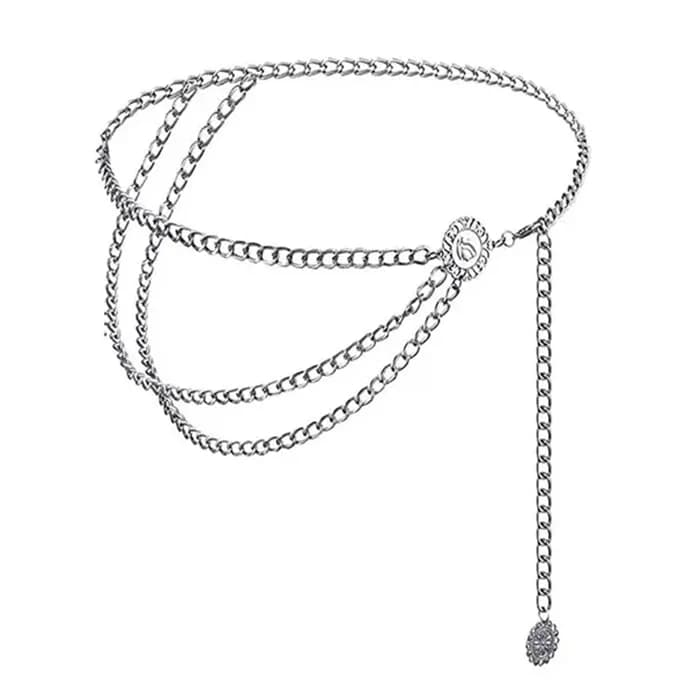
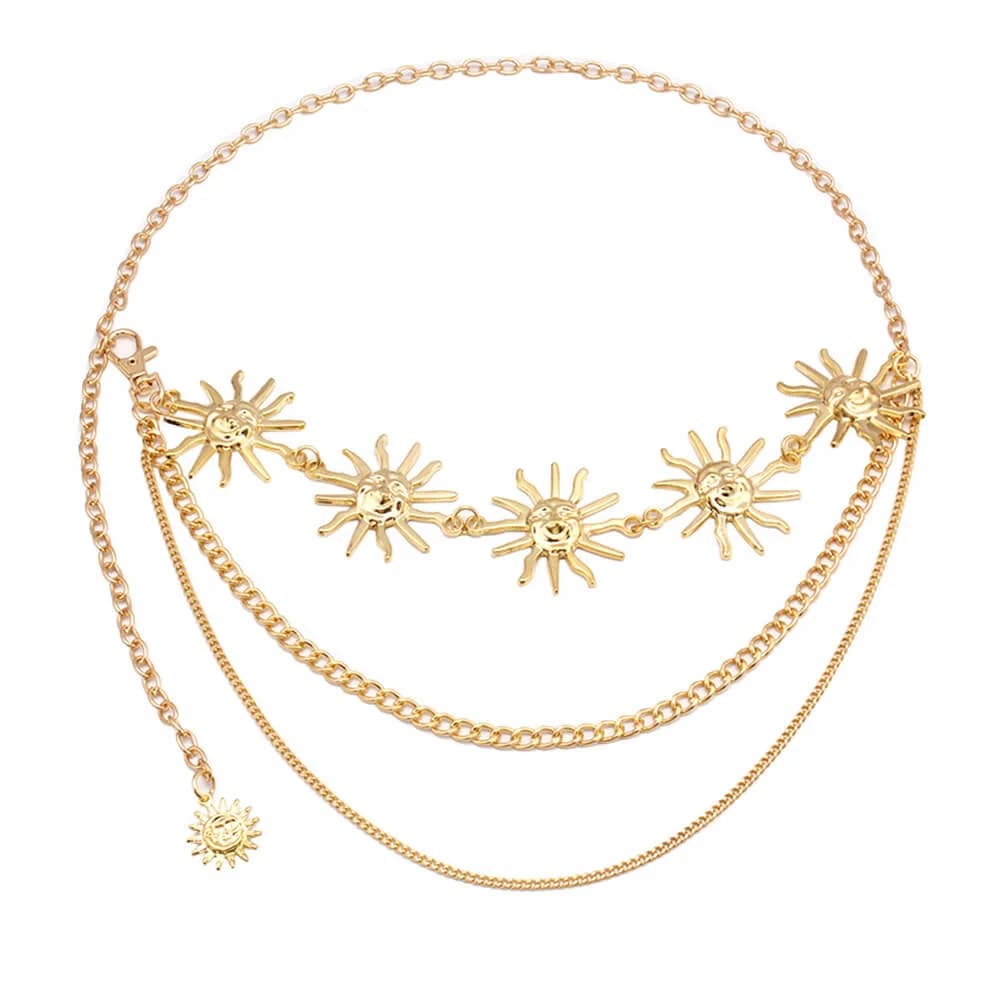
Medallion and Coin Pieces: Weight Matters
Charms and medallions add weight, and weight changes how a belt behaves. A heavier hanging piece pulls the chain downward, which can make a belt slide unless it sits in belt loops or on a firm waistband.
The Vintage Style Medallion Chain Belt is listed in Zinc Alloy, in Gold and Silver. Check the listing for the full details, then think about the garment it will sit on. A medallion hanging over thin, stretchy leggings may drag the fabric, while sturdier trousers hold it steady.
A quick comparison habit: lay each belt in your hand and note whether weight is concentrated in one pendant or spread across links. Concentrated weight swings and taps. Spread weight drapes and stays quiet.
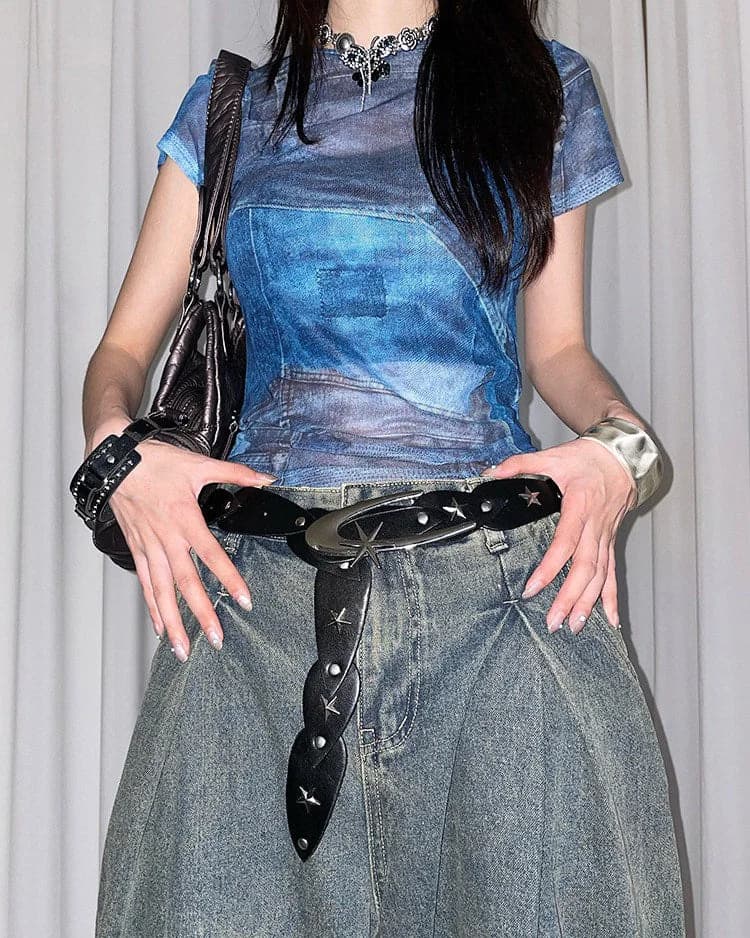
Studded Belts: The Low-Snag Way to Wear Spikes
If chains worry you, studs are the calmer route. They are fixed to a strap instead of dangling, so there is less to swing or tangle.
The Skater Girl Punk Rock Pyramid Stud Belt is listed in Vegan Leather, in Black, with one size labeled Standart. It pairs well through the loops of straight or baggy jeans, giving structure around the waistband.
Pyramid studs can scratch or catch on soft fabric. Keep tucked-in knits, silky tops and delicate linings away from the studs. A thick cotton tee or denim shirt is a better neighbour.
Explore more strap styles in the Belts collection, and compare stud size, strap width and buckle style before choosing.
Pants That Work With Hardware
Your bottoms decide whether a belt behaves. Belt loops give chains and straps an anchor. Without loops, a heavy chain may slip or pull the waistband.
Sturdy, mid-weight fabrics are the safest base. Look for firm waistbands, flat pockets and no loose threading near the hip. Cargo pockets can snag chains, so check where flaps and zips fall.
Browse Pants with this in mind. Wide-leg and straight cuts let a hip-slung chain drape cleanly, while very tight styles can make a chain sit awkwardly. If you pick a pair with decorative zips or hanging straps, skip a second hardware piece at the waist.
Chokers and Necklaces Without the Tangle
Neck hardware snags hair, collars and scarves more than anything else. A choker sits close, so the main risks are hair caught in clasps and collars rubbing metal.
Browse Aesthetic Necklaces & Chokers and think about your neckline first. Crew necks and high collars cover or fight a choker. Scoop, square and open collars give it room.
If you wear a chain belt, keep the necklace simple, such as one choker or one pendant. Matching metal tones across neck and waist, like all silver or all gold, keeps the outfit tidy even when both pieces are visible.
Airports and Security
Metal can set off scanners, and removing a belt is a common request. I can't promise how any particular checkpoint will treat any item, since rules differ by airport and country, so check the current guidance from the airline and airport you are using.
A practical approach is to wear the easiest version of the outfit. Choose a belt that unhooks quickly and keep it simple, or pack the hardware in your carry-on and put it on after the checkpoint. A small pouch stops chains tangling with chargers and cables.
Comfort matters on long travel days. A heavy chain digging into your waist while seated is tiring, so consider a lighter piece or a lower hip placement for the journey.
Office and School Compatibility
Hardware can sit well in a workplace if it reads as styled rather than loud. Keep the chain belt over trousers and under a longer top or blazer so only a glint shows, or use a plain strap with a small buckle.
Noise is the real office issue. A chain tapping a desk or chair all day gets old quickly. Pick a belt with tighter links, or wear it where it doesn't swing against furniture.
Check any dress code you are under. If the rules mention accessories or jewellery, follow them. A good compromise is a single understated Silver or Gold piece, such as one of the star chain belts, with otherwise clean tailoring.
Finishing Touches and Care Basics
Small extras can tie the outfit together. Browse Accessories for pieces that match your metal tone, and keep the count low so nothing competes.
For care, follow whatever instructions come with your order and avoid guessing about finishes or plating. As a general habit, store chains laid flat or hung so they don't knot, and keep studded belts away from delicate items in your drawer.
Metal tones are easier to coordinate when you choose one base: silver with black and grey, gold with warm neutrals, or black hardware for a quieter look.
Pre-Walkout Checklist
Run through this before leaving the house. It takes a minute and saves a lot of snagged sleeves.
- Choose one hero: chain belt, studded belt, or statement choker.
- Check your top for loose threads, loops or fuzzy knit where metal will rest.
- Make sure bottoms have sturdy belt loops or a firm waistband.
- Check the weight: does a pendant pull the fabric or make the belt slide?
- Match metal tones across neck, waist and any other jewellery.
- Sit down in the outfit and check for digging, tapping or catching.
- Plan bag strap position so it doesn't cross the chain.
- For travel, pick a quick-release option or pack hardware separately.
- Read the product page for material, colour and size before ordering.

A Worked Example: Building One Outfit From the Waist Up
Rules are easier to trust when you see them applied, so here is one outfit built step by step. The starting point is a layered chain belt, which is the highest-movement piece you can choose. Everything else gets decided around it.
Step one is the bottoms. Take straight, mid-weight jeans with proper belt loops and flat back pockets. Thread the chain through the loops so it hangs from fixed points instead of floating on the waistband. Step two is the top. A plain cotton tee works, either tucked at the front only or hemmed just above the chain so the fabric never rubs across the links. Step three is the neck. Because the waist is already busy, leave the neck with one thin chain or nothing at all. Step four is the bag.
Wear a crossbody strap on the opposite side from the longest chain drop, or carry a tote on your shoulder rather than at hip height.
Now do the sit test. Sit on a chair, then on a low sofa seat, and look at where the chain pools. If it bunches under you, move it a loop or two higher. If it taps the chair arm, shift the longest drape to the side away from the arm. Two minutes of adjusting here beats an afternoon of fiddling.
The same logic works in reverse for a studded belt. Because studs do not swing, you can relax about the bag and the chair, and spend your attention on what sits directly against the strap: the hem of your top and anything in your pockets.
Choosing Between a Chain Belt and a Studded Belt
If you are torn between the two styles, a few questions will settle it faster than staring at product photos. Browse Belts And Chains and Belts in the same session so you can compare them directly.
Ask first whether the belt needs to hold up your trousers. A strap with a buckle does that job. A decorative chain often does not, so if your waistband is loose, the chain will want a second, plainer belt beneath it, which brings back the double-hardware problem. In that case a studded or plain strap is the simpler pick.
Ask second how much you move. Walking, commuting and sitting all day favour pieces that stay put. Standing at an event or taking photos favours the extra swing and sparkle of chains.
Ask third what you will wear most often with it. A chain suits low-rise or hip-sitting bottoms and lighter tops. A strap suits high or mid waists and heavier layers like overshirts and jackets, since it can sit over or under them without catching.
Pocket, Bag and Layer Collisions
Most real-life snags are not caused by the outfit itself but by what you add to it during the day. Three collisions come up again and again.
The first is the pocket. Keys, a phone in a back pocket and a hanging chain all compete for the same space. Choose one side of your body to keep hardware on and the other side for everything you carry. Your pockets stay flat, and the chain has room to move.
The second is the jacket. Pulling a jacket on and off drags sleeves and linings across waist hardware. Take the jacket off before you adjust the belt, and when putting it on, hold the chain against your hip with one hand for a second. A cropped jacket that ends above the belt avoids the problem entirely, while a longer coat covers the chain and keeps friction away from it.
The third is the seatbelt or bag strap. Both press metal into fabric for long stretches. A flat studded strap under a seatbelt will leave you more comfortable than a medallion pendant pressing against your hip. If you are riding for a while, move any dangling pieces to the front or lift the chain higher before you buckle in.
Quick Decision Checklist for Buying New Hardware
Before adding another piece to your cart, run it against what you already own. This helps you avoid buying something that only works with one outfit.
Start by counting how many tops and bottoms in your wardrobe are tight-weave and belt-loop friendly. If it is only one or two, a hardware piece will sit in a drawer, and you may be better off adding sturdy Pants first. Then check your metal tones. If most of your jewellery is silver, a gold chain belt becomes the odd one out unless you plan to add more gold through Accessories.
Finally, think about the neckline pairing. If your wardrobe is mostly crew necks, a choker from Aesthetic Necklaces & Chokers may need a different top to work, and that is a hidden cost.
- Do I own at least three outfits this piece could realistically join?
- Does it match the metal tone of what I already wear?
- Will it hang from belt loops, or does it need a second belt?
- Is the weight in one pendant or spread across links?
- Which bag and jacket will I wear with it most?
- Have I checked the listing for material, colour and size?


