
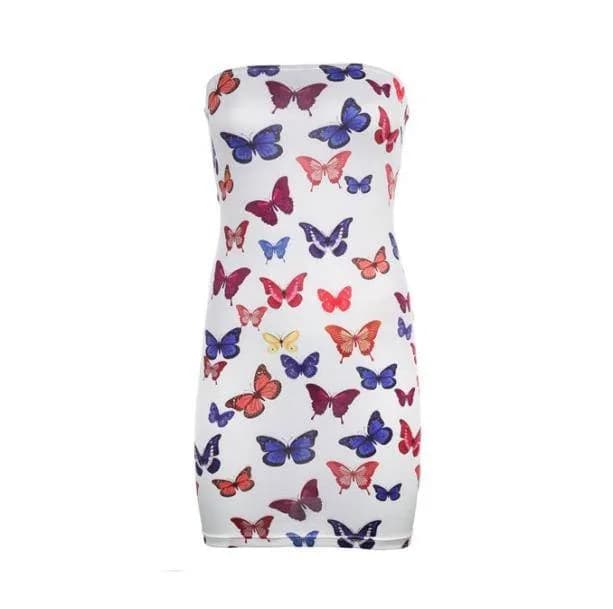
Kawaii Vibe
Aesthetic Outfits
Kawaii Vibe: APPAREL is where soft, playful pieces meet everyday wear. Browse the range to build outfits that feel cheerful without being hard to wear. Mix them with what you already own, check each product page for measurements and details, and pick the shapes that suit your routine, weather and mood.
951 pieces to exploreFree standard shipping on every order

951 pieces


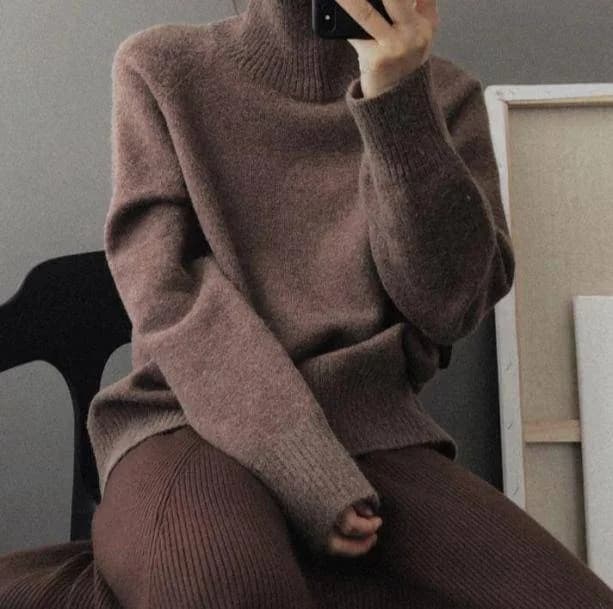

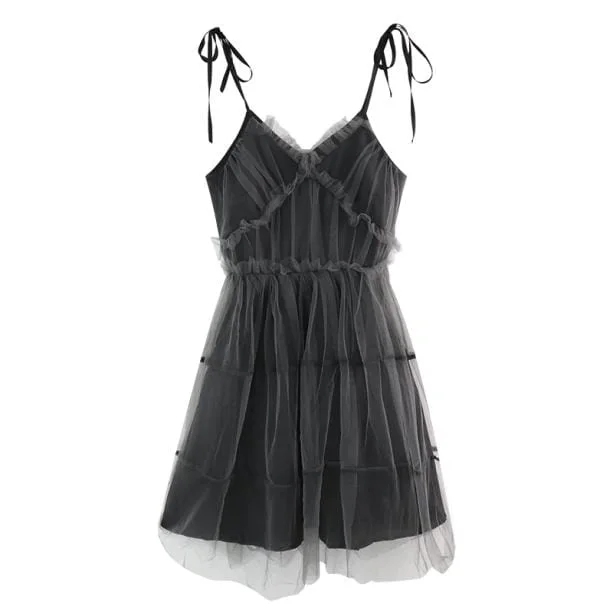


Your guide to Aesthetic Outfits
Start With How You Actually Dress
The easiest way to shop cute clothing is to begin with your real week, not an imaginary one. Think about where you go most often: classes, an office, a café job, errands, nights out, or long days at home. Then ask which of those days could use something a little more playful. A single standout piece usually gets worn more than a full head-to-toe look that only suits one occasion.
Next, look at what you already own and wear on repeat. Most people have a few reliable bases, such as straight or relaxed jeans, a plain tee, a dark skirt, a zip hoodie or a simple cardigan. Those are your anchors. When you browse this collection, picture each item with at least three of those anchors. If it only works with something you would have to buy as well, it is a bigger commitment than it looks.
It also helps to decide how much attention you want. Some days you may want a bold print front and centre. Other days you may prefer a soft colour or a small detail that people only notice up close. Neither is better. Knowing your comfort level saves you from buying something you love on screen but feel too self-conscious to leave the house in.
If you like to compare styles before settling, the Aesthetic Clothing collection is a handy place to see how different moods can sit alongside this one.

Five Outfit Combinations to Try
Here are five distinct ways to wear a kawaii-leaning piece, using basics you probably have already. First, the weekend walk: a graphic or pastel top, relaxed jeans, white trainers and a tote bag. Keep the top as the only loud element, and the rest quietly supports it.
Second, the class or work-friendly look: a soft knit or cardigan over a plain collared shirt, with straight trousers or a midi skirt. The cute detail shows up in a colour, a button, or a small motif rather than a costume-like head-to-toe set. If you want more inspiration for gentle, light colours, the Soft Girl collection pairs well with this approach.
Third, the evening out: a fitted top or short layer with a full skirt or wide-leg trousers, plus chunky shoes. Contrast is the idea here. Something sweet on top, something sturdier on the bottom, so the outfit feels balanced rather than sugary.
Fourth, the mixed-mood outfit: take a pastel piece and anchor it with black boots, a dark bag or a darker jacket. This sits close to the Pastel Goth look and is useful if you like softness but do not want everything bright.
Fifth, the throwback shine: a cropped or snug top, low or mid-rise bottoms if you like them, and playful accessories. The Y2K collection is a good companion if this is your direction. In every case, change only one thing at a time when experimenting: swap the shoes, then the layer, then the bag.

Understanding Shapes and Proportions
Most outfits look good when there is a clear shape, even if the clothes are oversized. A simple rule is to balance volume. If your top is roomy, choose something closer to the body or a defined waistline below it. If your bottom is wide or full, a shorter, neater or tucked-in top keeps the outfit from looking shapeless.
Cropped lengths work best when they meet a higher waistline, because you get a tidy line rather than a gap. Longer tops and dresses sit well with leggings, bike shorts or straight trousers underneath if you want coverage and ease of movement. Check each product page for the cut described: boxy, fitted, relaxed, A-line or similar. Those words tell you more about how it will behave than the photo alone.
Think about where you want the eye to go. A bow, collar, print or bright colour near the face draws attention upward. A pleated or tiered skirt adds movement lower down. If you feel you are already wearing a lot of detail, choose a plainer partner for the rest of the outfit.
Also consider how you move during the day. Sleeves that are very wide can catch on desks and door handles. Skirts that are very short might not suit a windy commute or a lot of stairs. Try sitting, reaching and walking in your clothes at home before you decide they are keepers. A good shape feels easy as well as looking good in a mirror.

Compare Measurements With a Garment You Own
Size labels differ between brands and regions, so the most reliable method is to compare numbers. Choose one item you own that fits the way you like, ideally the same type as what you are buying: a tee for a tee, a skirt for a skirt, a jacket for a jacket. Lay it flat on a bed or table and smooth it out without stretching.
Measure the points that matter. For tops, that is usually the width across the chest from armpit to armpit, the length from the highest shoulder point to the hem, and the sleeve length. For bottoms, check the waist across the top edge, the hips at the widest point, the rise, and the inseam. For dresses, add the overall length. Write these down in one place so you can compare them with the product page.
A flat measurement is only half of the width, so if a listing gives a full circumference, double your flat number to compare fairly. Where a product page does not show a measurement you need, do not guess. Check the size information provided there, and keep in mind that chart availability can differ from item to item.
Decide in advance whether you want the new piece to match your reference garment or fit differently. If you want an oversized look, you may want a few centimetres or inches more across the chest. If you want it close to the body, aim to match closely. Keep in mind stretch, layeringWearing pieces over or under one another to add depth, warmth or contrast. space and how much you move. Having your own numbers makes the choice calmer and reduces the chance of a poor fit.

Layering Without Losing the Look
LayeringWearing pieces over or under one another to add depth, warmth or contrast. is how a playful piece becomes useful all year. Start with a base that is comfortable against your skin, then add one middle layer and, if needed, one outer layer. Each should be visible in part, so the outfit still reads as planned rather than piled on.
Play with length. A shorter top over a longer one shows both, and a cardigan or jacket that stops above a skirt hem creates clean stepped lines. If a layer is bulky, make the others slimmer. A thick knit over a thin tee and straight trousers usually looks tidier than a thick knit over a loose shirt and wide trousers.
Colour can make layeringWearing pieces over or under one another to add depth, warmth or contrast. simple. Choose two or three shades and repeat them across the outfit: perhaps a pink top, a cream cardigan and a pink bag. Neutral layers such as black, grey, white, denim or beige give a bright item room to breathe. If you are drawn to calmer, earthier looks, the Cottagecore collection shows how gentle layers can sit together.
Do a quick comfort check before you leave. Raise your arms, sit down and put a bag over your shoulder. Make sure sleeves are not bunching badly under your jacket and that necklines are not fighting each other. Also think about removal: if you will take a layer off indoors, make sure the outfit still looks finished without it. That small test saves a lot of awkward mid-day adjusting.

Adapting Outfits to the Weather
Across the US, UK, Canada, Australia and New Zealand, the same month can mean very different conditions, so think in terms of temperature and rain rather than calendar dates. Check the forecast the evening before and choose the outfit around it, not the other way round.
When it is warm, keep the cute factor in the colour or print and keep the cut airy. A loose tee with shorts or a skirt, sandals or light trainers, and a small bag works well. Carry a thin layer for air-conditioned spaces and evenings. If sun is strong, add a cap, sunglasses and sunscreen, which suit playful outfits very well.
In mild, changeable weather, build in layers you can remove: a top, a cardigan or zip-up, and a light jacket you can tie or carry. Choose shoes that cope with damp pavements. Dark socks or tights hide splashes better than white ones.
When it is cold, put warmth first and personality second. Start with a snug base layer, add your playful top or knit, and finish with a coat large enough to fit over the bulk. Hats, scarves, gloves and bags are an easy place to bring in colour or a cute detail without sacrificing warmth. If you prefer darker winter looks, the Dark Academia collection offers a deeper palette that can sit alongside brighter pieces.
For rain, wear water-friendly shoes, keep hems off the ground, and avoid anything you would hate to see splashed. Always check the product page for care instructions before you wear something in tough conditions.

Choosing Product Options Carefully
Before you add anything to your basket, read the whole product page. Look at the available sizes, colours and any variants, and compare the photos with the written details. Pay attention to the cut description, the listed measurements if shown, and the care guidance. If something is not mentioned, treat it as unknown rather than assuming.
When a piece comes in more than one colour, pick based on what you already own. A colour that matches three of your current items is more useful than one you love in isolation. If you tend to wear a lot of black or denim, pastel and bright shades will pop against them. If most of your wardrobe is light, a deeper shade can add balance.
If you are between sizes, go back to your reference garment. Decide whether you want room for layeringWearing pieces over or under one another to add depth, warmth or contrast., a relaxed shape, or a closer fit, and let that choice guide you. Also think about length. If you are taller or shorter than average, hems and sleeves may land differently from the product photos.
Consider how many outfits each item will join. A good test is to imagine three different looks with it. If you can do that easily, it is probably a sensible purchase. If you are drawn to a more street-led, layered and colourful style, the Harajuku & Kawaii collection is useful for comparing ideas and finding companion pieces for what you choose here.

Building Your Wardrobe Over Time
You do not need to buy a whole new wardrobe to make it feel more playful. Add one or two pieces at a time and see how they work with what you have. After a few wears, you will notice what gets picked first and what stays in the drawer, which tells you what to look for next.
A simple budget approach is to split purchases into three kinds: a core item you will wear weekly, a fun item you will wear for specific moods, and a finishing item such as an accessory. Keep the balance mostly toward the first group. If you want to try a different direction, the Grunge collection can be useful for seeing how rougher textures and darker tones sit beside sweeter pieces.
Think about care as part of the cost. Look at the washing instructions on each product page and be honest about whether you will follow them. A piece you will wear often should suit your routine, whether that means machine-friendly care or a bit more attention.
On shipping, Free standard shipping on every order. Standard shipping is free on every order. Priority shipping is available at checkout. Delivery timing is not guaranteed here, so check the information at checkout and plan ahead for events.
Finally, keep a short list of outfits you like and the pieces they use. It makes future decisions faster and helps you buy things that fit your life.
