

Amekaji
Amekaji Belts
Select the right waist accent for your American casual outfits with our Amekaji belts. Explore textured fabric straps, bold graphic stripes, and statement hardware that pair cleanly with classic denim, relaxed trousers, and pleated skirts. Check our sizing guidelines, loop widths, and color combinations to dial in your daily aesthetic with Free standard shipping on every order.
5 pieces to exploreFree standard shipping on every order
5 pieces


Your guide to Amekaji Belts
Matching Belt Width to Denim and Trouser Loops
Before picking a colorway, measure the interior opening of your garment waistband loops. Standard loops on heavy jeans typically accommodate broader bands, whereas tailored pieces or lightweight bottoms often feature narrower stitching. Forcing a thick band through tight fabric guides risks puckering your waistline.
When pairing accessories with items like Amekaji pants, check how the strap lays against the waist seam. A strap that fills the loop without bunching maintains flat vertical lines across your hips. This keeps boxy graphic tees resting cleanly above your waist.
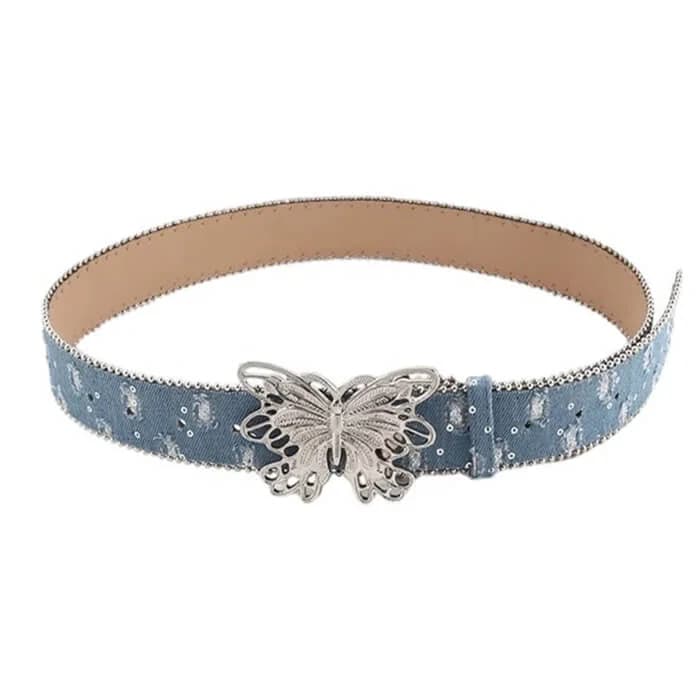
If you want hardware that remains visible under layered hems, prioritize flat-face buckles. Pieces like the Y2K Butterfly Buckle Denim Belt present distinctive visual accents without adding excessive outward volume beneath your untucked tops.
Always confirm whether your chosen bottoms feature pre-styled strapping. Garments like the Y2K Multi Belt Teddy Denim Pants already integrate secondary hardware accents, meaning an additional thick waist belt could create unwanted physical bulk across the front closure.
Navigating Standart Sizing and Strap Measurements
Several belt designs in our catalog list their size simply as Standart. Because standard sizing does not mean a universal fit, you must compare the item against your personal body measurements before placing an order.
Take a flexible measuring tape and circle your torso at the precise line where your trousers sit, whether high at your natural waist or lower on your hips. Measure an existing belt from the prong tip to the most-used prong hole to determine your baseline length.
When specific strap lengths or prong hole spreads are not published in the listing, contact customer support for exact strap measurements before checking out. Doing so ensures you receive hardware that fastens securely without trailing awkward excess strap tail.
If you prefer wearing accessories over bulky layers like heavy knitwear or an unbuttoned outerwear piece, add two to three centimeters to your measured waistline. Belts worn across thick fleece require additional prong allowance compared to bare cotton fabrics.
Balancing Graphic Webbing Stripes with Casual Basics
Multi-tone striped webbing brings direct collegiate energy to relaxed street looks. Vibrant horizontal stripes break up neutral midsections, creating an intentional divider between your upper and lower garments when you tuck in your shirt.
The 90s Kids Striped Belt offers four distinct variations: rainbow, green/black, red/black, and yellow/pink. Each pattern creates a different contrast level against standard indigo washes or stone-washed denim bottoms.
To keep your outfit balanced, match one tone from the striped webbing to an element on your chest or footwear. Pairing a red/black striped strap alongside athletic graphics from our Amekaji T-Shirts creates an intentional, considered color relationship.
Avoid pairing complex horizontal waist patterns with heavily patterned bottoms. Plaid trousers or checkered panel skirts can fight with multi-color striping, so reserve high-contrast rainbow webbing for solid bottoms like raw denim, twill chinos, or plain dark skirts.
Integrating Blue Denim Belts into Denim-on-Denim Outfits
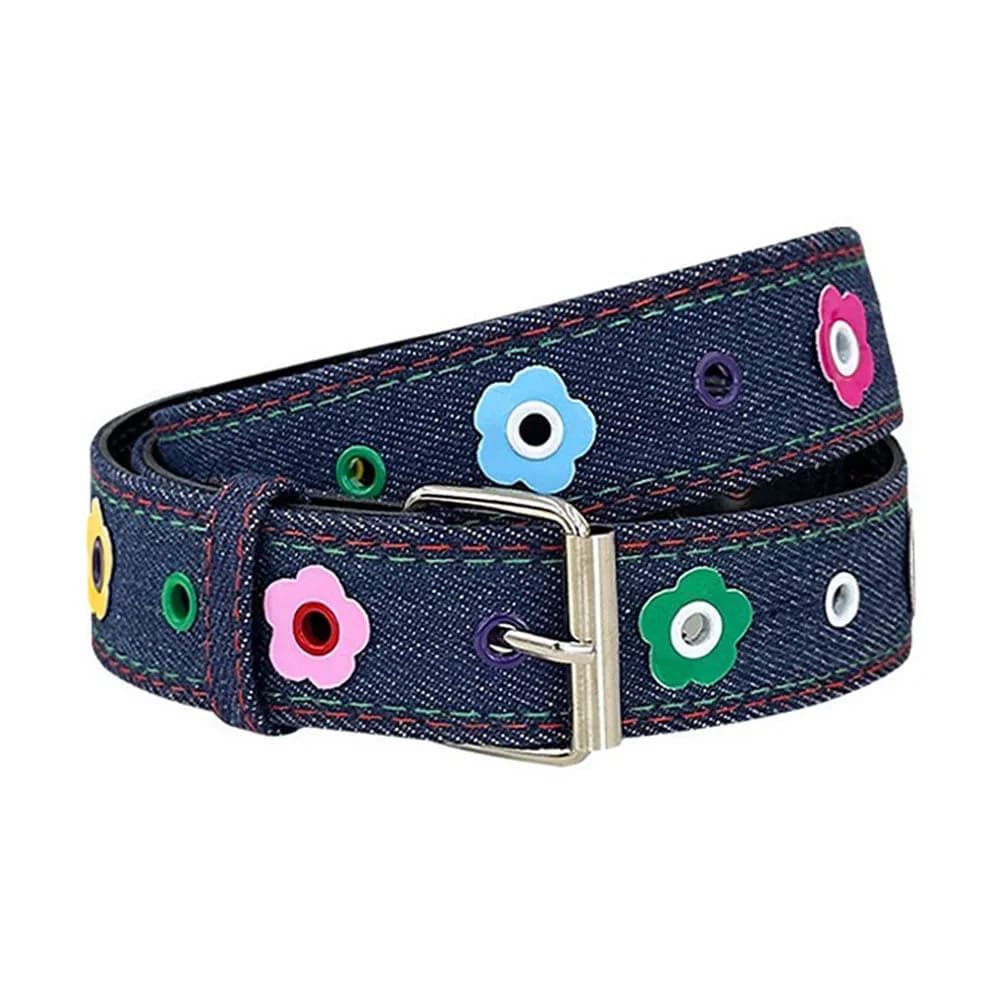
Wearing fabric-covered belts introduces tactile texture without the stiffness of formal leather. When styling fabric accessories like the Indie Flower Aesthetic Denim Belt, examine the specific blue tone relative to your trousers.
A tonal match creates a seamless vertical appearance, which works well if you want your torso and legs to appear longer. Alternatively, pairing a medium blue denim belt against washed black or white denim provides an intentional contrast that defines your waistline.
You can also route textured straps through warm-weather options like Amekaji shorts. The subtle weave variation provides visual interest against solid twill fabrics without relying on overly shiny metallic parts.
Examine listing photographs closely to assess surface texture, stitching density, and edge treatments on fabric straps. Denim-wrapped accessories can display subtle fading variations, so picking complementary indigo tones ensures your layered pieces look balanced together.
Coordinating Belts with Skorts and A-Line Mini Silhouettes
A-line silhouetteThe overall shape an outfit creates, from fitted to loose and layered.s and structured skorts benefit from waist accessories that hold their position securely throughout movement. Wide bands maintain the upper waistband flat against your lower back, preventing gaps when seated or leaning forward.
Garments such as the Pink Denim Skort with Butterfly Belt come pre-packaged with thematic hardware, offering a ready-to-wear combination that keeps proportions intact. The integrated hardware anchors the garment neatly at the hip.
If you are swapping bands across separates like Amekaji skirts, consider the weight of the buckle. A heavy cast-metal buckle on a lightweight pleated cotton skirt can drag the front waistband downward, disrupting the intended hemline.
Pair feminine pink or pastel bottoms with neutral white or black tops to let the buckle details stand out clearly. Platform sneakers and cotton athletic socks complement the retro campus aesthetic while balancing lower proportions.
Layering Waist Accents Over Oversized Tops and Knitwear
Wearing belts cinched externally across voluminous garments provides shape without sacrificing the casual drape of loose street styling. This styling situation works particularly well over boxy cardigans, elongated jersey dresses, and oversized crewnecks.
When securing a belt over knit garments from our Amekaji cardigans selection, choose belts with smooth interior backing. Rough edges or unlined prong hardware can catch loose loops in knit wool or textured cotton blends.
Position the buckle slightly off-center if you are wearing an open jacket over your cinched layer. Center buckles under open plackets can catch on metal zippers or create an uncomfortably rigid pressure point against your sternum when seated.
Remember that securing heavy outerwear adds substantial girth compared to standard trouser loops. Double-check your strap length to verify that your belt contains sufficient prong openings to fasten cleanly without straining the buckle hardware.
How Should You Style Belts with Amekaji Tops and Crop Cuts?
Shorter top hems naturally draw attention to your midsection, making your belt buckle the focal point between garments. When you style boxy cuts from our Amekaji tops lineup, leaving a slight gap allows novelty hardware to stand out cleanly.
If you prefer a closer silhouetteThe overall shape an outfit creates, from fitted to loose and layered. with Amekaji crop tops, wear high-rise denim with a medium-width strap. The defined belt line anchors the waist and keeps high-rise waistbands flush against your lower back during movement.
Be conscious of hem friction when styling fitted tees over wide prong closures. Textured fabric belts lay flatter than bulky utility buckles, helping you avoid awkward protruding shapes beneath lightweight jersey fabrics.
Can You Belt Relaxed Fleece and Outerwear?
Voluminous fleece tops from our Amekaji hoodies range often conceal your waistband entirely. Threading a sturdy striped webbing strap through your bottoms keeps your trousers securely in place even when carrying pocket essentials.
For pieces like oversized Amekaji sweaters, you can use an external belt to gather thick fabric around your natural waist. This styling technique reins in oversized knits and creates a defined silhouetteThe overall shape an outfit creates, from fitted to loose and layered..
Always allow extra belt length when cinching dense fleece or rib-knit fabrics. Thicker materials consume more strap circumference, meaning a standard belt will fit several centimeters tighter than it would over bare cotton bottoms.
What Belts Work Best Across Casual Dresses?
Flowing jersey and shirt styles across our Amekaji dresses catalog often feature relaxed cuts that pair well with waist hardware. A bright webbing belt breaks up solid fabric blocks and visually balances relaxed lines.
Fabric-wrapped options like denim belts match the casual collegiate vibe of shirt dresses without feeling formal. Ensure the strap rests smoothly against the dress fabric without bunching lightweight materials around the side seams.
If your dress features functional belt loops, measure their vertical height before sliding the strap through. For dresses without built-in loops, select a strap that fits snugly so it remains steady around your torso throughout wear.
Choosing Hardware Finishes to Complement Amekaji Jewelry
Metals across your outfit should feel intentional, even if you prefer an eclectic casual wardrobe. Take note of whether your belt features polished silver tones, brass hardware, or coated colorful buckles before accessorizing your upper body.
If your belt buckle showcases bright silver finishes or novelty shapes, echo that material through our Amekaji necklaces collection. Silver-toned ball chains, dog tags, or varsity pendant charms tie your overall accessory layout together naturally.
When styling straps that feature coated or enameled buckles, keep your neck and wrist pieces relatively understated. Clean stainless steel or braided cord necklaces allow statement waist hardware to remain the focal point of your lower midsection.
Avoid pairing overly ornate, delicate fine jewelry with thick collegiate webbing. Sturdy canvas, heavy topstitching, and wide prong closures balance best with chunky curb chains, vintage-look pendants, and durable utility accessories.
How Do Belts Coordinate with Shoes and Carry Bags?
Creating a balanced look involves balancing visual weight across your entire outfit. When selecting footwear from our Amekaji shoes range, match the casual texture of canvas or denim belts to retro sneakers or chunky loafers.
You do not need an exact color match between your belt and carryall. If you pick a striped belt, choosing one complementary accent color found on our Amekaji bags creates a cohesive, thoughtfully styled outfit.
Heavy utility messenger bags with webbing shoulder straps look particularly harmonious paired alongside woven waist belts. Repeating similar webbing textures at your shoulder and waist anchors vintage casual street aesthetics effectively.
Care Practices and Shipping Requirements for Belts
Maintaining your fabric and webbing belts ensures they retain their crisp structure through repeated daily wear. Always consult the care label attached to your specific garment or accessory before attempting any cleaning method.
Do not machine wash belts equipped with rigid metal buckles or delicate floral appliques. Agitation inside a washing machine drum can dent metal finishes, chip painted buckle details, and twist woven webbing out of alignment.
For spot cleaning canvas or denim bands, dab soiled areas gently with a damp cotton cloth and mild detergent. Allow the strap to air dry fully flat away from direct sunlight to prevent fiber shrinkage or uneven color fading.
Standard shipping is free on every order. Priority shipping is available at checkout.