
Lolita
Lolita Skirts
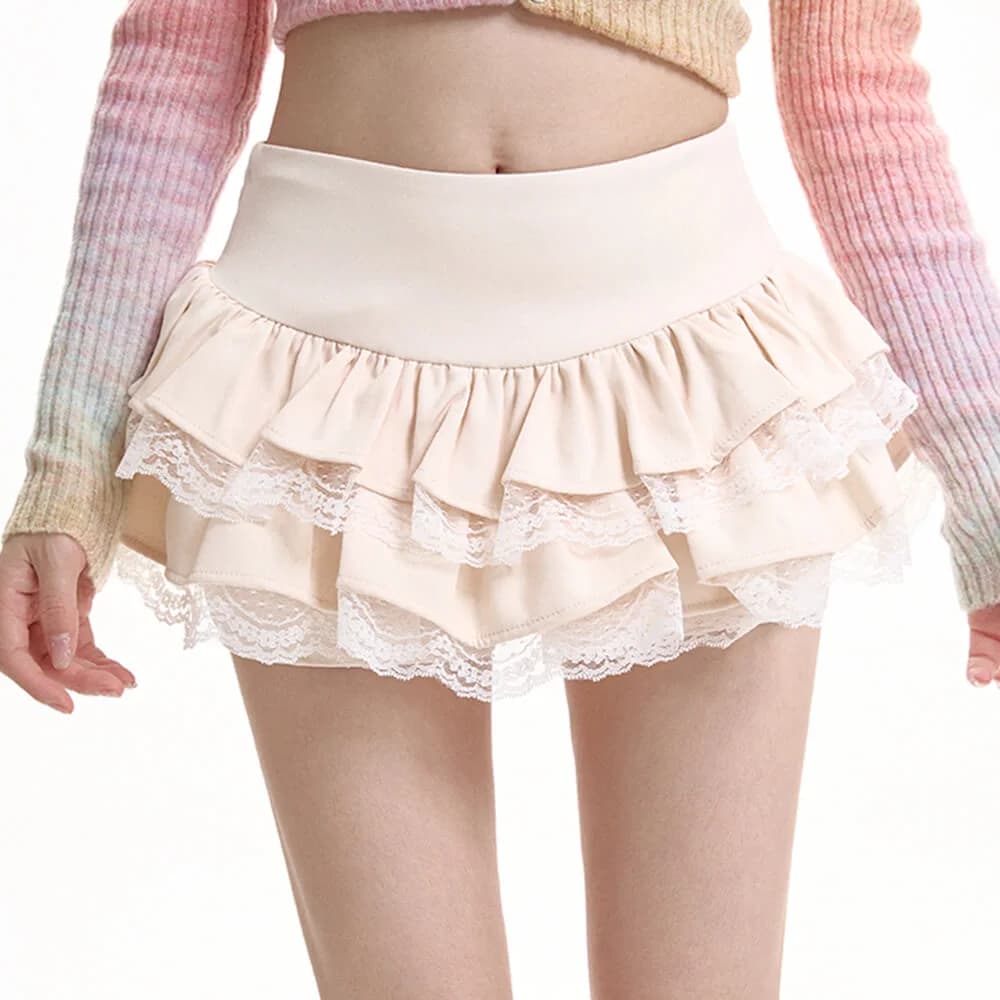
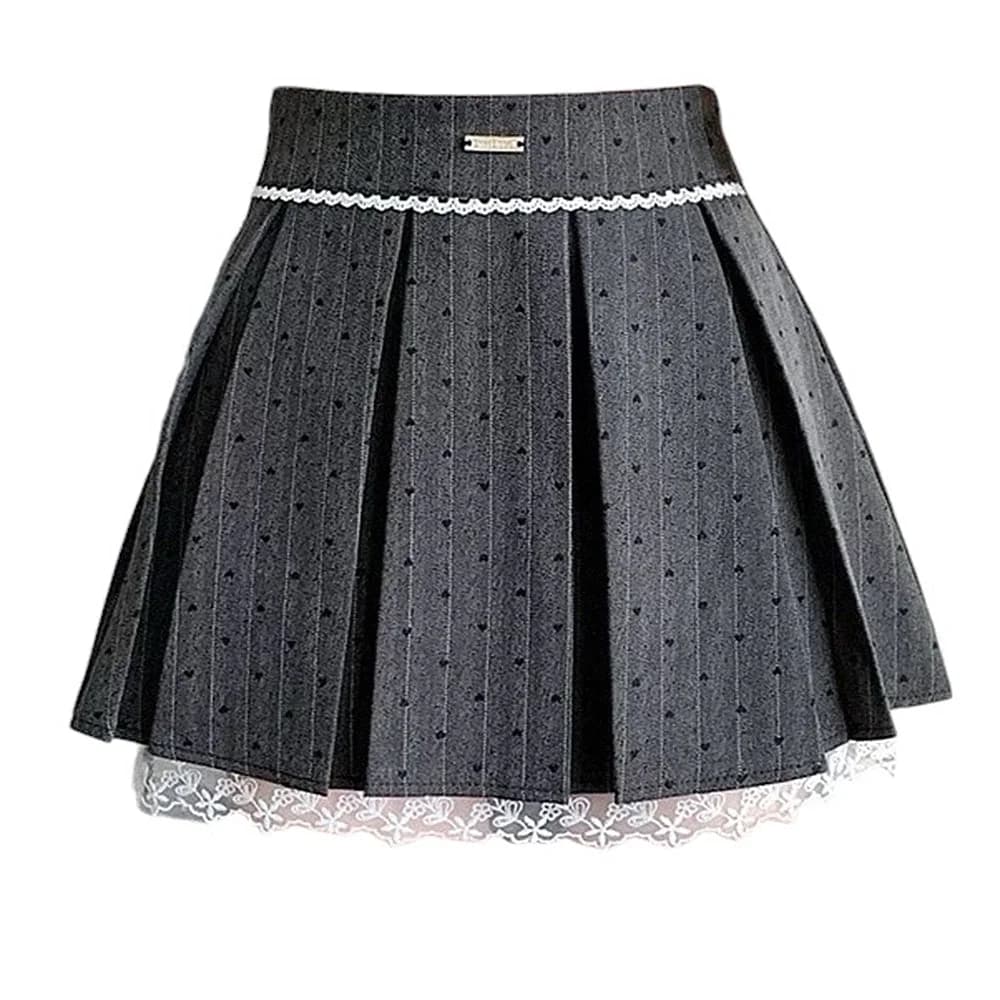
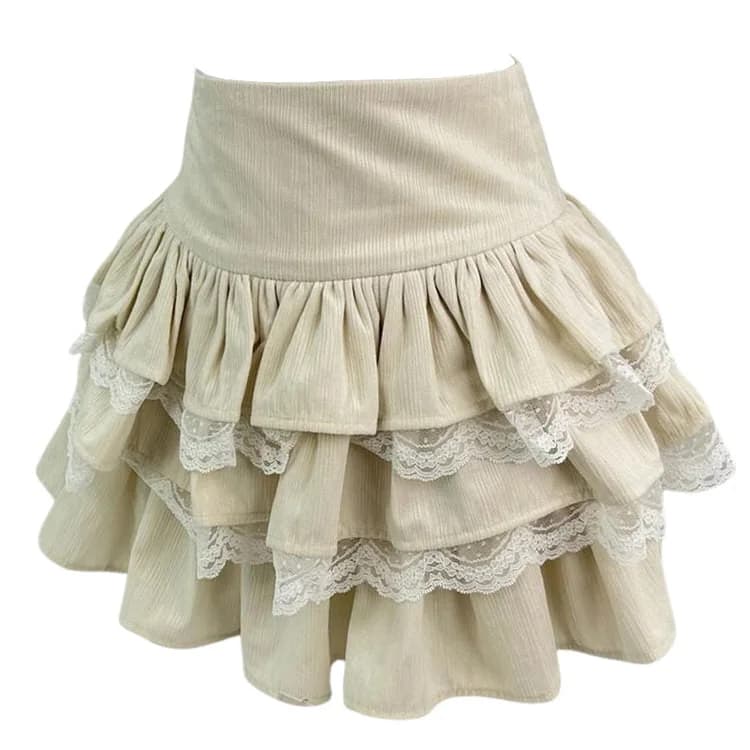
Find Lolita skirts suited for sweet, classic, and Gothic coordinates at Kawaii Vibe. Whether assembling bell silhouetteThe overall shape an outfit creates, from fitted to loose and layered.s, tailored cuts, or layered hemlines, choosing your waistband and fabric flare sets your entire look. Browse standalone skirts and modular accessories to pair with blouses and petticoats. Enjoy Free standard shipping on every order.
5 pieces to exploreFree standard shipping on every order

5 pieces

Your guide to Lolita Skirts
Choosing Between Bell and A-Line Silhouettes for Lolita Skirts
Your first concrete decision when buying a skirt in this fashion is determining how much fabric volume you need underneath. A bell-shaped skirt flares abruptly from the waistband before curving downward toward the hemline. In contrast, an A-line skirt slopes gradually outward in a triangle, offering a gentler silhouetteThe overall shape an outfit creates, from fitted to loose and layered. that sits closer to your natural hip line.
Your petticoat structure dictates which skirt cut will hang correctly. Bell-shaped skirts demand cupcake-style petticoats packed with organza or tiered tulle, creating the rounded outline standard in sweet styling. For this profile, look for skirts cut with heavy gathering directly along the waistband. If you place a wide bell petticoat beneath an A-line skirt, the fabric pulls flat across the front and gaps at the side seams.
Conversely, A-line skirts accommodate lightly structured underskirts that fall in straight, conical angles. This silhouetteThe overall shape an outfit creates, from fitted to loose and layered. fits historical and classic palettes, allowing floral prints or solid velvets to display without unnatural ballooning. Check the hem circumference against your petticoat diameter before finalizing your purchase to avoid visible fabric bunching or dragging.
Examine the gathered yardage along the lower panels. Skirts with multiple ruffled tiers provide extra room to accommodate stiff underlayers without pulling. If you prefer walking through crowded conventions or tea parties without brushing against furniture, an A-line profile keeps your overall outline significantly narrower while preserving proper aesthetic volume.
Waistband Construction and Garment Measurements
Getting the fit right on a high-waisted or natural-waist skirt requires exact tape measurements, because these garments do not tolerate sagging. Wrap a measuring tape firmly around your true waist, roughly one to two inches above your belly button, while keeping the tape parallel to the floor. Do not suck in your stomach; leave room for tucked-in blouses and undershirts.
Examine the construction details on product listings carefully. Some skirts offer fully fixed, non-stretchy waistbands that fasten via side zippers or button tabs, leaving zero margin for size fluctuations. Other designs feature partial back shirring, which uses rows of elastic thread to permit controlled flexibility while maintaining a clean, structured front waistband that looks flat beneath corsets and waist cinchers.
Always review the listing chart for maximum and minimum flat dimensions. If you fall near the top measurement of an elasticated band, the fabric gathers can stretch thin and pull against your ribcage during extended wear. When sizing options show a single designation or lack listed flat measurements, ask customer support for exact tape measurements before ordering rather than guessing.
Take note of the total skirt length from top waistband to hem lace. Tall wearers should verify whether a forty-five-centimeter skirt falls above the knee, transforming it into an alternate styling proportion. If you plan to wear petticoats underneath, remember that petticoats shorten your skirt's drop length by pushing the outer fabric outward into wide, horizontal curves.
Sweet, Classic, and Gothic Coordinate Palettes
Selecting the right skirt pattern or base color sets the tone for your complete coordinate. Sweet coordinates favor pastel tones like baby pink, sky blue, mint, lavender, and crisp cream. Skirt prints in this substyle often feature confectionery motifs, toys, florals, or ribbon patterns. These vibrant pieces call for light contrast elements such as milk-white blouses, matching headdresses, and pastel outerwear.
Classic coordinates shift the color wheel toward restrained historical palettes. Think rich wine red, deep emerald, dusty rose, slate blue, warm chocolate brown, and antique ivory. Skirt surfaces often rely on solid-color jacquards, subtle stripes, or muted botanical art. Pair these skirts with structured neutral pieces from our wider Lolita clothes catalog to sustain a polished, vintage look.
Gothic outfits focus heavily on dramatic contrasts and dark fundamentals. Pure black, deep violet, midnight navy, and blood crimson dominate skirt designs, frequently paired with crosses, architectural prints, or bat-wing lace trims. For detailed background on balancing dark lace textures, see our guide to Gothic Lolita styling to match your skirt to suitable darker coordinate pieces.
Do not mix bright optical white with antique tea-stained ivory in the same coordinate. If your skirt trim uses muted off-white lace, your top layers and legwear should echo that same undertone. Matching the undertones of your cotton trims prevents your outfit components from looking mismatched under natural indoor lighting or direct sun.
Pairing Tops, Blouses, and Knitwear with Skirts
A skirt coordinate relies on a well-fitted upper layer to establish balance. Browse through Lolita tops to select a blouse with collar detailing that matches your skirt neckline. For a high-waisted skirt, choose blouses with princess seams or cropped hems that tuck smoothly into the waistband without creating lumps over your hips.
If your skirt features an elaborate all-over print, pair it with a solid blouse featuring pintucks, yoke lace, or delicate wrist ruffles. This prevents upper-body visual clutter and keeps the skirt print as the focal point. Conversely, if your skirt is a solid velveteen or simple cotton weave, a blouse with wide lace bibs adds necessary balance.
During cooler weather, you can layer knitwear over your blouse. Cropped cardigans that stop exactly at the skirt waistband preserve the bell shape underneath without flattening your ruffles. Avoid longline cardigans, as they push the skirt gathers flat against your thighs and distort the intended bell or A-line silhouetteThe overall shape an outfit creates, from fitted to loose and layered..
Collar shapes also influence your coordinate's substyle. Stand collars with detachable neck bows suit dramatic Gothic skirts, whereas round Peter Pan collars complement sweet skirts with scallop hems. To master historical balance across blouses and skirt hems, read our practical guide to Classic Lolita before picking your collar cut.
Layering Accessories and Waist Accents
Adding modular accessories to a skirt allows you to adapt a single garment across different looks. The Lace Layered Mini Skirt Belt is an accessory made from polyester in black or white. Because it is listed in one size named Standart without an attached measurement chart, you should check product photos and compare it to your usual accessories before ordering.
Wearing a white lace belt over a dark skirt creates an eye-catching contrast that breaks up solid panels, while black lace over black fabric adds subtle surface texture. This modular piece can wrap over high-waisted skirts, plain dresses, or shorter skirts to build tiered depth along the hip line, especially when paired with simple blouses or bow-accented tops.
Coordinate your waist hardware with jewelry placed near your collarbone. You can pull the metallic tones of waist chains and belt buckles together by matching them to pieces from our Lolita necklaces collection. A brass waist chatelaine looks natural next to an antique bronze pendant, whereas bright silver chain belts match cool-toned Gothic coordinates.
Do not overload the waistband if your skirt already includes built-in waist ties or large fabric bows. Adding oversized accessory belts on top of existing fabric gathers creates bulk that pulls on the skirt fabric. Reserve decorative waist belts for skirts with plain, unadorned waistbands where the added lace overlay lays completely flat against the base fabric.
Hem Lengths, Petite Proportions, and Mini Cuts
Standard skirt hemlines in this fashion usually hit right at the knee or graze the mid-calf. A midi skirt measuring sixty to seventy centimeters provides historical modesty and creates a broad canvas for vertical lace insertions or pictorial border prints. Midi cuts demand structured petticoats to stop the heavier fabric yardage from drooping at the knees.
Shorter cuts offer an alternative aesthetic for casual daily outfits or rebellious aesthetics. Exploring Lolita mini skirts provides choices for coordinates that prioritize ease of movement over full bell shapes. These skirts feature hem lengths between thirty-eight and forty-five centimeters, sitting well above the knee and pairing naturally with low-profile underskirts.
Shorter skirts fit naturally into alternative aesthetics, where heavy leather belts, asymmetric zips, and safety pin hardware replace traditional Victorian ruffles. If you want to explore non-traditional Japanese alternative fashion contexts, check our overview of Angura Kei style to discover how theatrical and darker subcultural aesthetics approach layered garments.
When wearing shorter skirts, verify that your petticoat is cut at least two to three centimeters shorter than the outer skirt hem. Visible petticoat netting peeking below an outer hem is considered a styling mistake in standard coordinates, unless the underskirt features deliberate cotton lace intentionally designed for outer display.
Footwear, Legwear, and Complementary Accessories
A skirt coordinate remains incomplete without deliberate leg coverage that matches the aesthetic of your outfit. Selecting appropriate items from our Lolita socks lineup helps you establish visual harmony between your hemline and shoes. Choose opaque over-the-knee socks for mini cuts, or lace-topped crew socks for longer classic hemlines.
Printed tights work best with solid-color skirts where the leg artwork does not clash with detailed hem borders. For heavily patterned skirts, choose plain rib-knit tights, cable knits, or sheer lace hosiery matching the base tone of your blouse. This technique grounds the coordinate and prevents the lower half of your body from looking overly chaotic.
Utility accessories should also match the overall silhouetteThe overall shape an outfit creates, from fitted to loose and layered. and weight of your skirt. Carry your everyday essentials in functional pieces from our Lolita tote bags range, which carry flat items without crushing the structured ruffles of your petticoat. Handheld structured purses from our Lolita bags collection also work well, resting beside the skirt flare rather than pressing into the fabric.
Measure your natural waist and petticoat diameter before purchasing any skirt to ensure the waistband sits securely while the hem covers your underskirt. When shopping across multiple wardrobe components, Free standard shipping on every order calculated directly at checkout.
Comparing Skirts and One-Piece Dresses for Coordinate Building
Choosing between skirts and full dresses comes down to how much coordinate versatility you want from a single investment. While full one-piece garments from our Lolita dresses collection provide an all-in-one outfit that requires no color-matching between top and bottom, they restrict your styling options to a single silhouetteThe overall shape an outfit creates, from fitted to loose and layered. and collar cut.
Skirts, on the other hand, let you mix and match different tops across seasons. You can wear a floral skirt with a high-neck chiffon blouse for formal tea events in spring, and switch to a tailored wool vest or knit sweater for casual winter meetups. This flexibility makes skirts an economical entry point for newcomers testing different aesthetics.
However, skirts require extra attention to upper-body proportions. You must ensure the fabric weight of your blouse matches the weight of your skirt. A heavy velveteen skirt can drag down a flimsy, transparent chiffon blouse, causing the waistband to pull awkwardly. Pair heavy skirt fabrics with structured cotton or poplin tops that hold their shape.
Maintain your skirt coordinates by steaming fabric panels thoroughly between wears to release wrinkles caused by petticoat friction. Always check individual garment tags for specific laundering instructions, as mixed-media items with detachable bows, metal waist chains, or delicate lace trims require careful separation before washing to prevent snagging and thread pulls.