Created by the Kawaii Vibe editorial team. Our named style desks are editorial personas. Product details and availability can change.
Matching vintage-inspired footwear to modern cuts comes down to hemline clearance and visual weight. When you step into chunky soles or structured block heels, your pants, skirts, and dresses need cutlines that either sit naturally above the shoe collar or break cleanly over the toe box without bunching into awkward fabric rolls.
The goal is to let the architecture of retro footwear balance your torso and legs rather than dragging the eye down. Whether you lean into wide trousers, high-waisted denim, or layered knit separates, your choice of footwear determines how the whole silhouetteThe overall shape an outfit creates, from fitted to loose and layered. hangs throughout your day.
In this guide, we break down specific hem drops, toe shapes, and heel profiles so you can pair your favorite retro footwear with versatile tops, skirts, and tailored cuts without guessing.
The Ground Clearance Rule for Bell-Bottoms and Flares
Bell-bottoms and wide-leg flares require careful planning around where your hem finishes relative to the ground. If your flared hem is even an inch too short, wide denim looks shrunken; if it is an inch too long, the back cuffs drag against the pavement, fraying the fabric and collecting street debris. The classic retro standard is keeping your trouser hem between a half-inch and a full inch above the walking surface when wearing your chosen footwear.
Achieving that clean break depends entirely on the heel rise and sole thickness. Chunky retro styles lift the leg line, giving broad hems room to drape freely without folding across your instep. Before hemming or wearing wide flares, step into your pair to check that the sweep of the pant leg rests over the upper bridge rather than pooling on the floor.
- Check trousers while wearing your intended heel height rather than barefoot.
- Aim for 0.5 to 1 inch of clearance between the back hem and floor.
- Ensure wide cuffs do not catch beneath the back edge of your heel when stepping back.
Balancing Wide Pant Legs With Sturdy Block Soles
Slim, delicate shoes easily disappear underneath dramatic retro pant legs, causing the trousers to look bottom-heavy and disproportionate. To anchor wide hems, you need substantial footwear that holds its own visually against the generous sweep of fabric. Sturdy platforms and chunky block heels create an intentional, weighted foundation that harmonizes with broad silhouetteThe overall shape an outfit creates, from fitted to loose and layered.s.
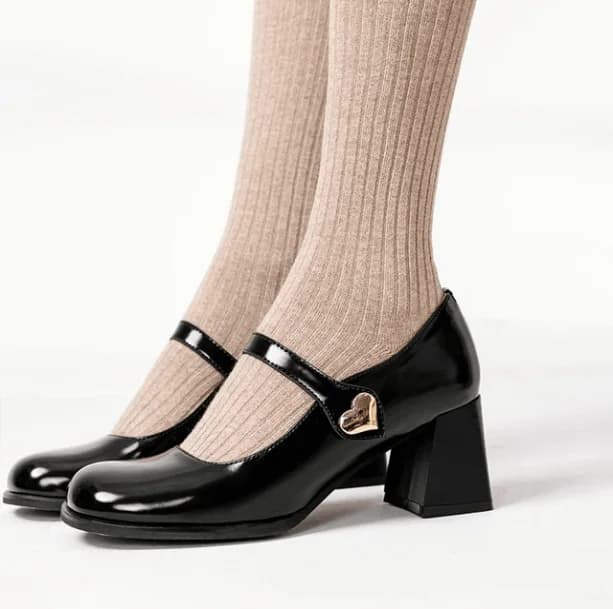
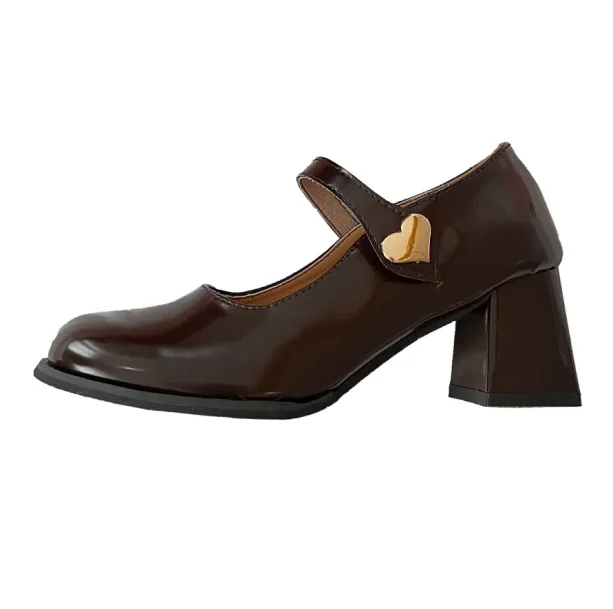
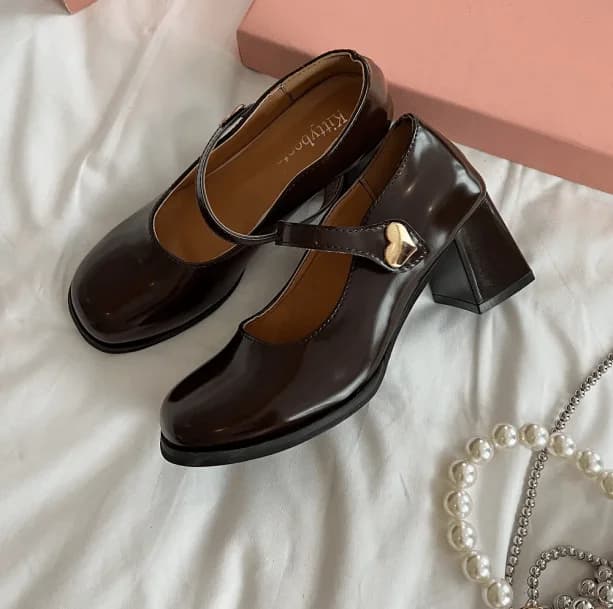
When styling dramatic trousers, explore structured styles within the 70s Shoes collection to ensure your footwear brings enough substance to balance wide cuffs. For tailored weekday trousers, the Dark Academia High Heel Shoes provide a structured PU upper and PU insole in classic Brown or Black, delivering a grounded block heel that prevents wide cuffs from overwhelming your frame.
Pair these tailored brown or black heels with pressed wide-leg trousers and a neat knit vest to maintain clean, elongated lines from waist to floor without fabric bunching.
Styling Mini Hems With Structured Low Block Heels
Mini skirts and retro A-line cuts shift the visual focus straight to your legs and shoes. When pairing short hems with footwear, wearing thin, ultra-high stilettos can feel unbalanced for casual daywear, while completely flat, unstructured shoes can sometimes shorten the silhouetteThe overall shape an outfit creates, from fitted to loose and layered.. A low, square-toed block shoe provides the ideal balance of structure and comfortable stance.
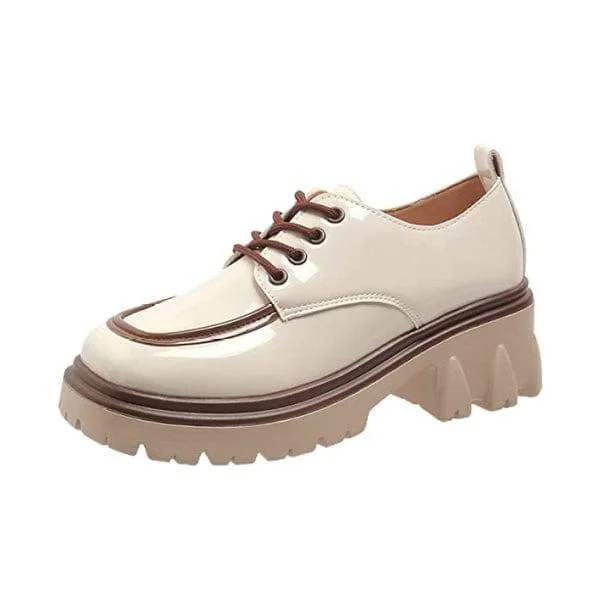
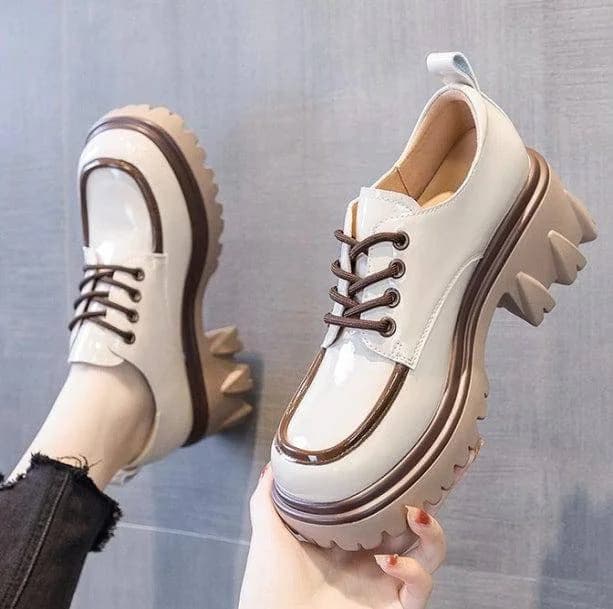
An option like the Square College Shoes features a durable PU upper, cushioned EVA insole, and a sturdy square toe profile available in Beige, Black, or Gray. The defined toe shape establishes a sharp contrast against bare legs or ribbed tights, preventing short skirts from looking top-heavy.
Team these tailored square-toe shoes with the Aesthetic Corduroy Skirt for an everyday outfit rooted in classic textures. The dense corduroy fabric matches the structured PU shoe upper, keeping the entire profile crisp and grounded.

Midi Lengths and the Lower-Leg Gap
Midi skirts and culottes present a specific styling hurdle: because the hem hits midway along the calf, an awkward shoe choice can visibly chop your lower leg into uneven sections. To keep the line fluid, you must manage the visual gap between the bottom of your hem and the top collar of your shoe.
If your skirt finishes right at mid-calf, choosing footwear that sits below the ankle bone preserves open space and creates an elongated leg line. Alternatively, tall boots that disappear completely beneath the hem create a continuous, unbroken surface. The primary look to avoid is an ankle strap or bulky shoe cuff that ends precisely where your skirt hem falls, as overlapping those horizontal lines creates unwanted clutter.
- Leave at least 3 to 5 inches of bare skin or continuous hosiery between midis and low shoes.
- Alternatively, let boots rise past the hemline into the skirt interior.
- Avoid ankle straps that hit within an inch of your skirt edge.
Integrating 70s Boots With Long Sweeping Dresses
Maxi dresses and flowy tiered skirts bring movement to an outfit, but soft fabrics need sturdy footwear to anchor them against sidewalk drafts and damp surfaces. Pulling on structured footwear from the 70s Boots collection gives sweeping maxi skirts a solid base, keeping hem edges off wet ground while creating a continuous vintage look.
When styling floor-skimming dresses, pay close attention to toe shape. A soft, rounded toe can get swallowed beneath voluminous cotton or rayon panels. Selecting a defined almond, square, or chisel toe ensures the front of the boot remains visible as you walk, providing clear direction and shape to the base of your outfit.
Consider weather conditions when choosing materials for long dresses. Suede boots perform well in crisp, dry climates, while smooth faux leather or treated boots resist puddle splashes when navigating wet transit platforms.
Statement Prints and Floral Footwear Placement
Patterned shoes offer a vibrant focal point, but they work best when your outfit gives them visual breathing room. Bold footwear designs can quickly clash with busy bottom garments like plaid flares or paisley trousers, leaving the eye with nowhere to settle.
For an expressive retro statement, the Daisy Chunky Heel Shoes feature a glossy patent leather build with retro indie floral detailing across a solid chunky heel. Because these shoes carry prominent visual contrast, they pair best with solid-colored bottom pieces such as dark wash denim, unpatterned corduroy, or plain black A-line skirts.
By keeping your lower half unprinted, the patent leather daisy pattern draws intentional interest without fighting your garment hems for attention.
- Pair graphic or floral shoes with monochrome skirts or classic indigo jeans.
- Allow the shoe collar to sit fully visible below your hemline.
- Coordinate top layers subtly with secondary colors found in the shoe print.

Cropped Tops and High-Waisted Flare Proportions
Footwear choices directly influence how high-waisted bottoms and short tops interact. When you wear high-rise denim with substantial block heels, your waistline is visually set higher while your legs are given extra length. To keep your upper body balanced with this elongated lower half, cropped tops provide a clean, proportional finish.
Selecting fitted pieces from the 70s Crop Tops range keeps fabric neatly contained above your natural waistline. The Floral Crop Top pairs effortlessly with high-waisted bell-bottoms and elevated shoes, ensuring your torso line remains defined against dramatic trouser volume.
For transitional days or layered looks, you can substitute lightweight pieces with the Cottagecore Knitted Crop Top, available in White and Apricot. Its textured knit fabric balances the sturdy visual weight of chunky shoes below without adding bulk around your waist.
- Let cropped tops end right at or slightly above the waistband of high-rise denim.
- Use chunky soles to balance the horizontal break created by the cropped hem.
- Add a structured shoulder bag to mirror the angular shapes of your footwear.
Layering Retro Vests and Tops With Tailored Footwear
A balanced vintage outfit considers how your upper layers mirror your footwear. Sturdy shoes like loafers, brogues, and block heels look most cohesive when your top layers carry similar structure, texture, and visual heritage.
Browsing the broader 70s Tops collection makes it easy to find collared shirts and knit separates that align with vintage footwear styles. Adding the Vintage Flower Sleeveless Sweater in Black, Red, or Apricot over a structured collared button-down bridges everyday modern basics with retro charm.
The ribbed, structured knit of the sweater vest balances the substantial soles of Square College Shoes. Wearing this pairing alongside straight-leg trousers creates a thoughtful collegiate outfit suitable for casual workplaces, campus days, or weekend outings.
With loafers or brogues, try a collared shirt under a short vest and keep the trouser hem clear of the shoes. For a more ornate layer, Dolly Kei clothes bring vintage-inspired patterns, embroidery, and rich textures; pair one detailed top layer with straightforward footwear to keep the accents balanced.
Warm-Weather Styling With Lightweight Sleeveless Cuts
Warmer days require a thoughtful approach to footwear: heavy winter boots can feel stuffy, but featherlight flat sandals can get lost under substantial vintage pieces. The solution lies in breathable tops paired with sturdy mid-heel shoes or open-collar footwear that retain vintage character without overheating.
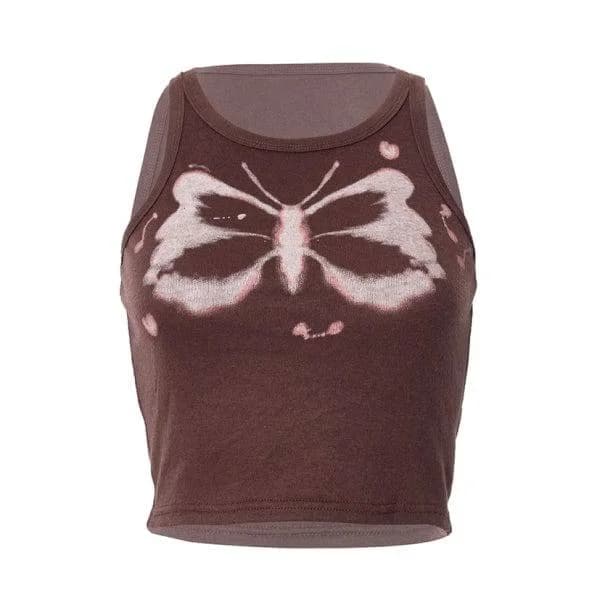
On hot afternoons, wear the Indie Butterfly Sleeveless Top tucked cleanly into denim shorts or a crisp A-line skirt. The lightweight, sleeveless build keeps you cool while its retro graphic brings personality to simple warm-weather basics.
Finish the look with low block-heel shoes or open-top Mary Janes rather than heavy winter boots. This combination keeps your ankles breezy while giving your outfit the structured foundation characteristic of retro style.
Comparing Vintage Shoe Materials for Daily Longevity
Understanding shoe construction materials ensures your retro footwear fits your practical routine and local climate. Faux leather (PU), genuine patent leather, and textile finishes each offer distinct trade-offs between water resistance, ease of cleaning, and everyday flexibility.
PU uppers, such as those found on the Dark Academia High Heel Shoes and Square College Shoes, offer dependable water repellency against light rain and wipe clean easily with a damp cloth. In contrast, glossy finishes like the patent leather on the Daisy Chunky Heel Shoes deliver striking shine and surface protection, though they require routine care to prevent scuff marks.
Evaluate your daily walking routes and local weather before finalizing your shoe materials. Wet commutes favor wipe-clean synthetic or patent finishes, whereas dry, temperate climates allow for textured fabrics and softer soles.
- Choose smooth PU or patent leather for damp streets and easy maintenance.
- Inspect insoles—EVA provides lightweight impact cushioning, while PU insoles offer a smooth, classic feel.
- Store patent styles separated by tissue paper to prevent surface transfer.
Connecting Footwear to the Broader 70s Wardrobe
Footwear serves as the anchor for your entire retro wardrobe, pulling together disparate separates into a unified silhouetteThe overall shape an outfit creates, from fitted to loose and layered.. Exploring the full 70s Aesthetic Clothes collection reveals how recurring textures—corduroy ridges, raw denim, textured knits, and warm earthy tones—rely on grounded footwear to complete the look.
When building an authentic retro ensemble, coordinate the visual weight of your garments from head to toe. Heavy corduroy jackets or dense knit vests naturally call for block heels or lug-soled shoes, while lightweight floral slips pair smoothly with refined square toes.
Using footwear as the foundation makes mixing eras effortless. A contemporary graphic tee and vintage bell-bottoms instantly look intentional the moment you add shoes with authentic seventies proportions.
- Match the texture density of your clothes to the sole weight of your shoes.
- Balance earthy tones (rust, camel, mustard) with rich brown or black footwear.
- Anchor modern wardrobe staples with distinctively shaped vintage heels.
Weather Adjustments for Rain, Cold, and Heat
Navigating transitional weather in retro footwear comes down to sole height and smart layeringWearing pieces over or under one another to add depth, warmth or contrast.. On wet days, chunky platforms and block heels offer an inherent advantage by raising your trouser cuffs and skirt hems safely above puddles and damp pavement.
In chilly climates, pair block heels with dense ribbed tights, wool socks, or thermal underlayers beneath wide trousers. Make sure your shoe size accommodates thicker sock fibers without pinching your toes, especially in structured synthetic or patent leather uppers that offer minimal stretch.
During warmer summer spells, choose breathable cotton or jersey tops alongside your low-cut footwear to maintain airflow. Avoid wearing non-breathable tights on warm days; instead, style low-rise block shoes with bare ankles and breezy cotton skirts to stay comfortable.
Common Shoe and Hemline Pitfalls to Avoid
A frequent pitfall when styling 70s shoes is wearing flared pants tailored for low sneakers with high platform heels. This creates a floating hem that hangs inches above the shoe bridge, breaking the fluid line that makes flared pants flattering. Always designate specific trousers for specific heel heights.
Another common error is pairing delicate, ultra-thin soles with heavy maxi coats or oversized knitwear. When upper layers are voluminous and heavy, razor-thin footwear makes the overall outfit appear precarious and visually off-balance.
Lastly, watch out for pant cuffs catching on the back edges of chunky heels. If your wide-leg trousers have an overly wide opening with stiff fabric, they can fold beneath your shoe while walking, causing trips or damaging the hemline.
- Never wear flares tailored for flats with high platform heels.
- Avoid flimsy, paper-thin soles underneath heavy winter outerwear.
- Ensure hems are wide enough to drape outside the shoe heel without catching.
The Everyday Shoe and Hem Outfit Checklist
Before heading out the door, take a moment to evaluate your outfit from the floor up. Confirming that your proportions, hemlines, and shoe construction work in harmony ensures all-day comfort and a polished retro look.
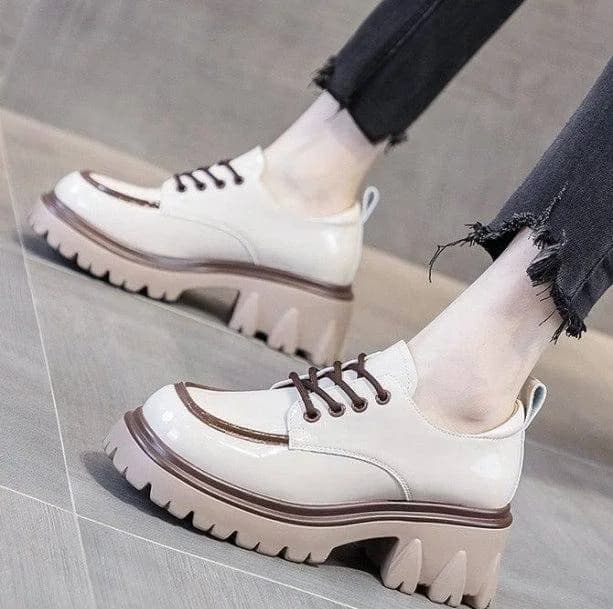
First, check your hem clearance in front of a full-length mirror while standing in your intended shoes. Your trousers should skim neatly over the toe box without pooling, dragging, or floating awkwardly above the ankle. Skirt hems should leave balanced, deliberate space between the fabric edge and your shoe collars.
Finally, ensure that your upper layers match the visual weight of your footwear. Pairing grounded block soles with tailored tops creates a confident, cohesive silhouetteThe overall shape an outfit creates, from fitted to loose and layered. that feels effortlessly stylish throughout your day.
- Hemline clears the floor by 0.5 to 1 inch when standing upright.
- Footwear sole weight matches the fabric density of pants or skirts.
- Toe profile remains visible beneath long sweeping garments.
- Upper top layer visually balances the height and bulk of the shoes.