Created by the Kawaii Vibe editorial team. Our named style desks are editorial personas. Product details and availability can change.
Short answer: look at the three colours you wear most, then choose a backpack that either matches one of them softly or sits in a calm neutral that none of them fight. A cream, soft pink or dusty blue bag goes with far more outfits than a loud one. Shape matters just as much, because a boxy bag and a small rounded one change how an outfit looks.
This guide walks through a quick wardrobe audit, colour families, shape and proportion, outfit pairings, weather, strap comfort and care. It is written for everyday use, whether that means classes, work, commuting or weekend wandering.
We are a retailer, so we point to a few bags along the way as optional ideas. Only details we list are used here: names, colour options and the fact that each comes in one size. Check each product page for the rest before you decide.
Start With a Three-Colour Wardrobe Audit
Open your wardrobe and pull out the last ten things you reached for. Sort them by colour, not by style. Most people find that three shades cover about two thirds of what they wear: maybe black, denim blue and white, or beige, olive and pink. Those three are your anchor colours, and the backpack should get along with at least two of them.
Next, note your undertone leaning. If your clothes lean warm (cream, camel, tomato red, butter yellow), a beige or yellow bag will feel natural. If they lean cool (grey, navy, lilac, icy pink), blue, grey or white bags will sit better. You do not need to be strict. This just stops you buying a bag that looks slightly off against everything.
Finally, check what you wear on top. A backpack sits against your upper back and shoulders, so it mostly meets jackets, hoodies, knitwear and shirts. If your tops are mostly dark, a lighter bag becomes a focal point. If your tops are mostly pale, a deeper or brighter bag anchors the outfit. That one observation often decides the whole purchase.
- List your three most-worn colours
- Mark them warm, cool or mixed
- Note the colour of your usual outer layer
- Decide if the bag should blend in or stand out
The Neutral-Plus-One Rule
The easiest way to make a kawaii bag work daily is neutral-plus-one. Keep the main body of your outfit in two calm colours, then let the backpack be the single playful note. A grey hoodie, black trousers and a pink bag looks deliberate. Add a pink skirt, pink socks and pink hair clips on top and the bag stops standing out.
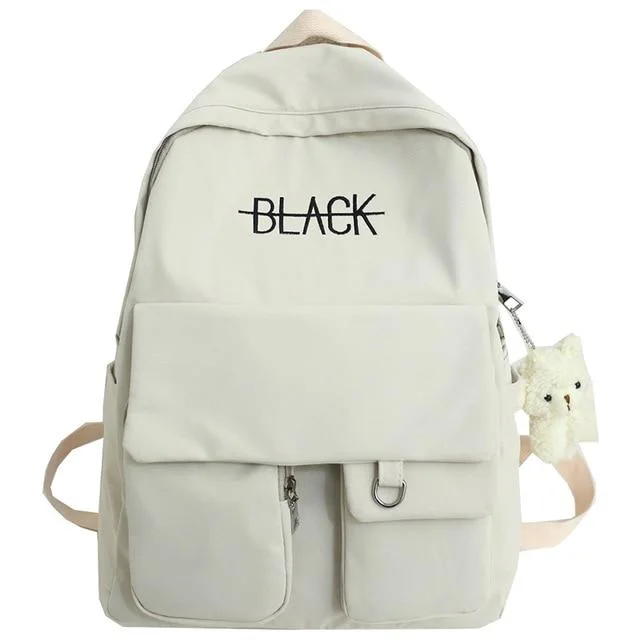
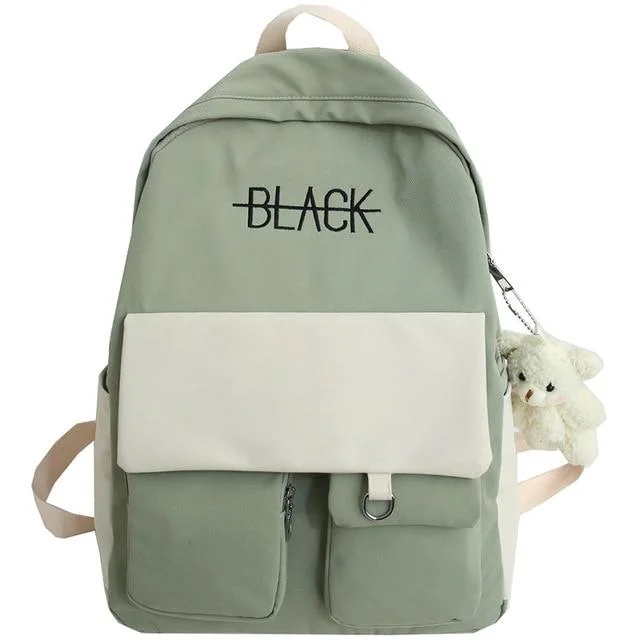
If you already wear a lot of colour, flip it. Choose a neutral bag, such as black, white or beige, and let your clothes carry the fun. The black and white options on the Student Kawaii Backpack suit this approach, and it also comes in red, green, blue and green and white if you want a bolder pick.
Repeat the colour once. If the bag is soft blue, echo it in a small spot, like a sock stripe, a phone case or a hair tie. That repeat ties the bag to the outfit and makes it look chosen, not just carried.
- Two calm outfit colours plus one bag colour
- Echo the bag colour once, in a small place
- Avoid more than three strong colours at once
Pastels: Which Ones Go With What
Pastels have a reputation for being tricky, but they are more flexible than they look because they are low in contrast. Pink pairs well with grey, navy, denim, olive and cream. Mint or green works with white, tan, black and denim. Lavender sits nicely with grey, black and soft white. Pale blue is the most universal, since it behaves a lot like denim.
The thing to watch is clashes with strong warm tones. A bubblegum pink bag next to a tomato red jacket can look accidental. If you wear lots of red or orange, go warmer with cream, butter yellow or peach instead. If your wardrobe is mostly black, almost any pastel will pop, so pick the one you actually like looking at.
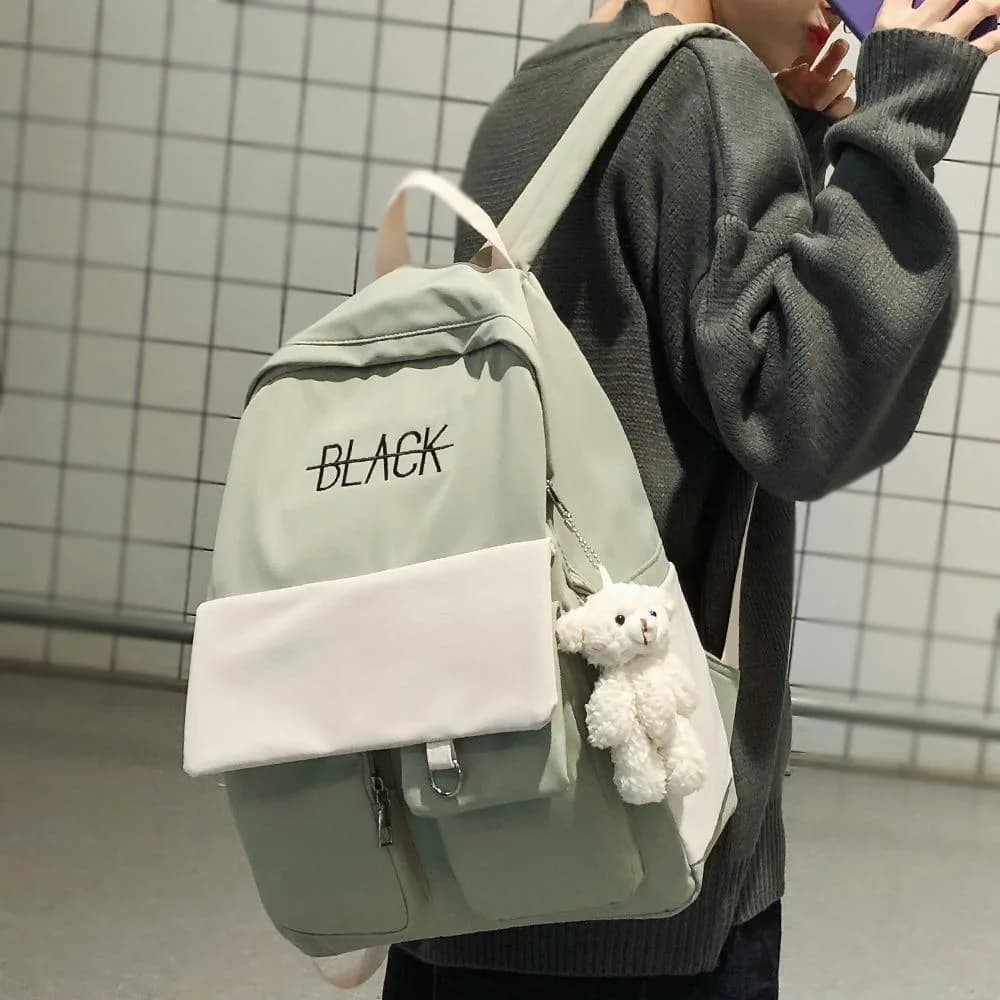
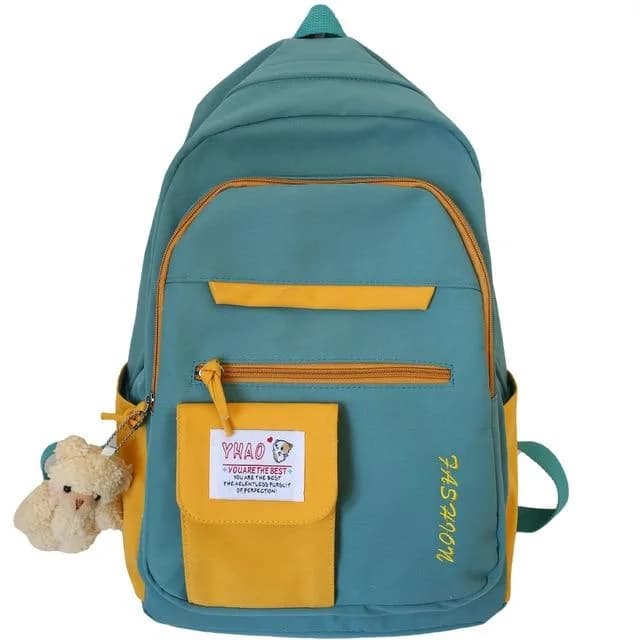
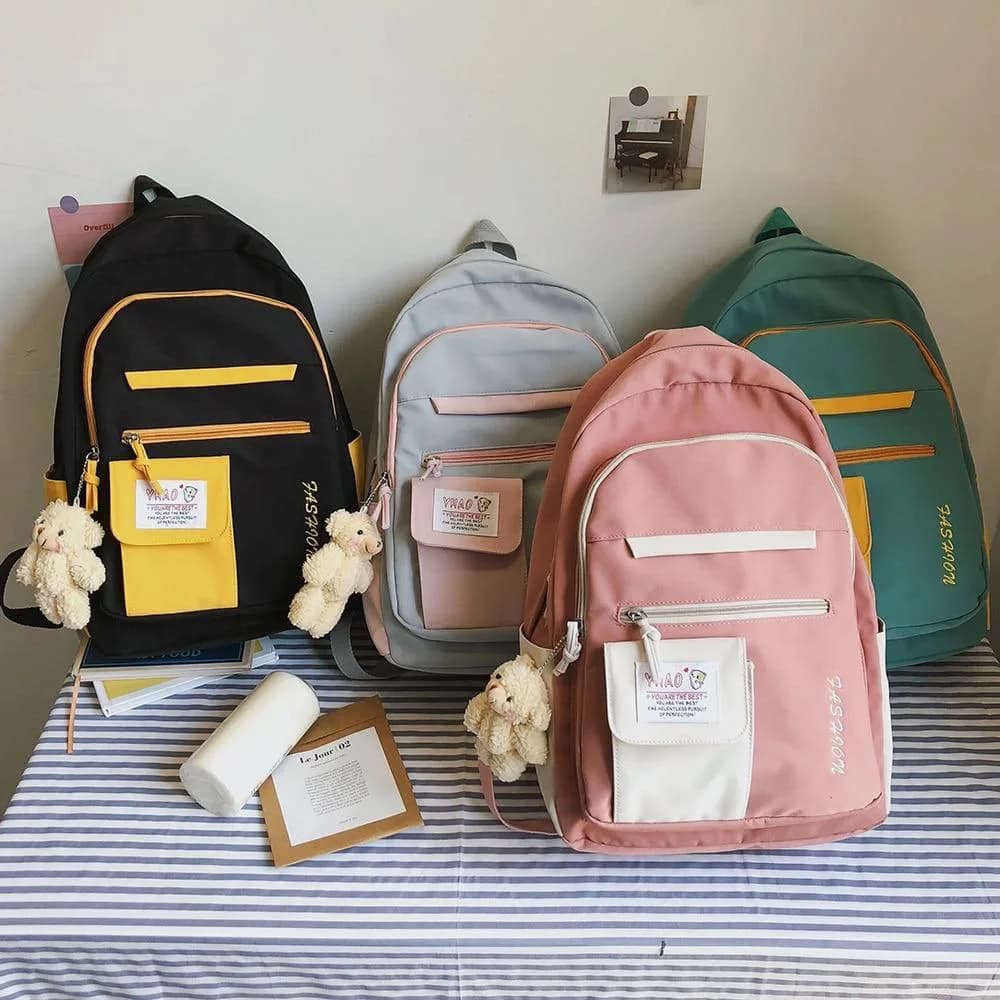
To browse the full range, the Pastel Backpacks collection groups the softer shades together. For a pastel with a bit of character, the Pastel Kawaii Backpack with Bear comes in green, pink, gray and black. Gray and black are the calm choices for a mostly neutral wardrobe, while pink and green give you the sweeter look.

Bold and Warm Colours Without the Chaos
Reds, yellows and deep blues can still be easy to wear if you treat them like an accessory colour. A red bag works the way a red lipstick does: it needs quiet things around it. Try it with a white tee, straight jeans and plain trainers. The bag becomes the point and nothing competes.
Yellow is friendlier than people expect. It sits well with denim, navy, grey and white, and it softens against beige. Avoid pairing it with another strong warm colour, like orange, unless you are going for a very playful look. A mustard or butter tone is easier day to day than bright lemon.
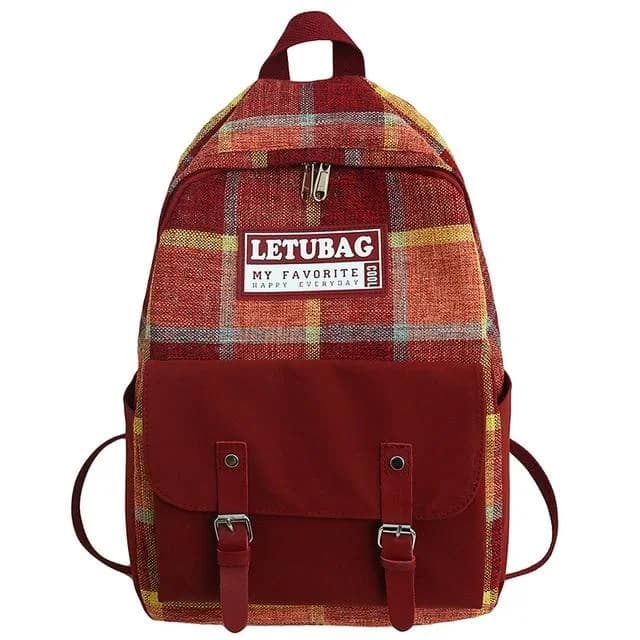
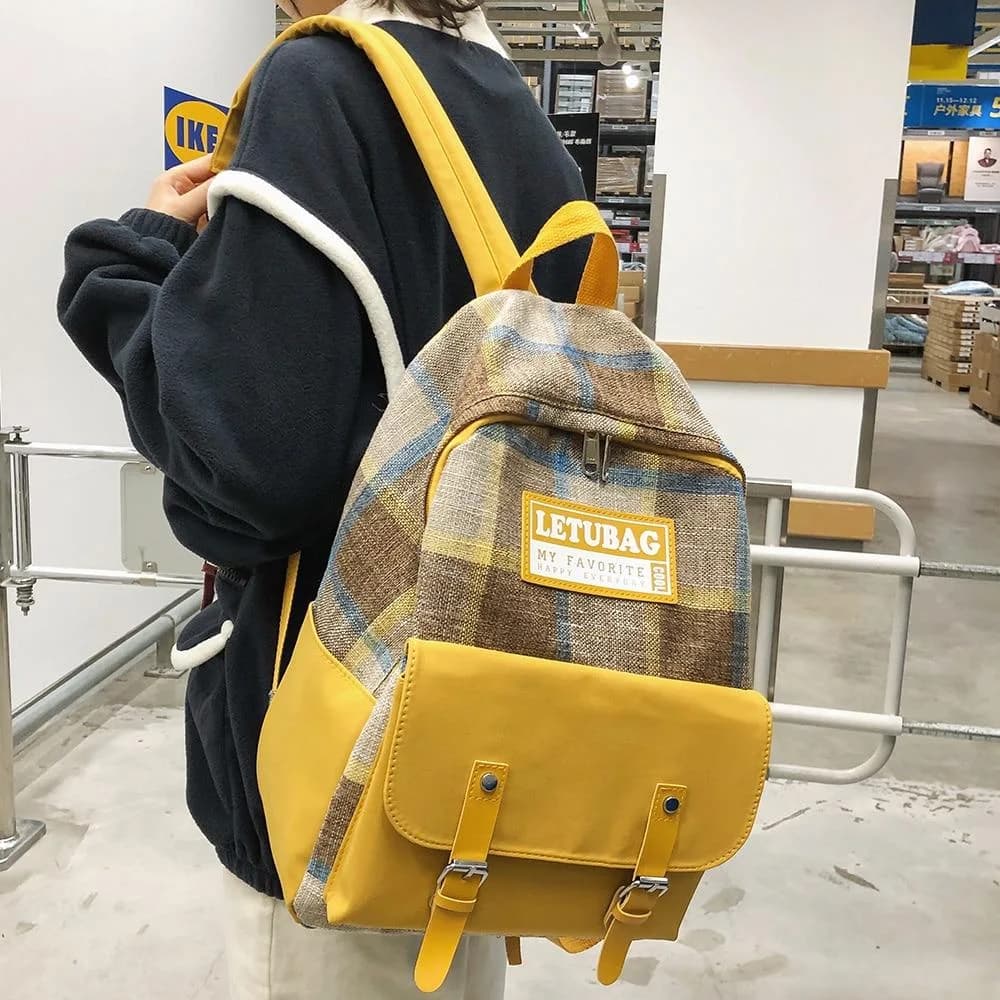
The Kawaii Linen Backpack comes in red, yellow and blue, so it is a handy example. Blue is the safest of the three for a mixed wardrobe. Red and yellow suit people whose clothes are mostly neutral. Check the product page for details on fabric and finish, since we are only listing the colour options here.
Shape and Proportion: Match the Bag to Your Frame and Outfit
Colour gets the attention, but shape decides whether the outfit looks balanced. A good rule: the bag should not be wider than your shoulders, and it should not hang lower than your waist. Beyond that, think about the outfit's volume. Oversized hoodies and wide trousers can swallow a tiny bag, while a fitted top and slim skirt can look top-heavy with a very large one.
Boxy, structured shapes look neat with tailored or clean outfits, like a shirt, knit and straight trousers. Rounded, soft shapes suit relaxed layers, like sweatshirts, pleated skirts and cardigans. A small bag sitting high on the back can make a cropped jacket look tidy. A larger one sitting low can make a long coat look slouchy, so adjust the straps before you head out.
If you carry little, a compact bag keeps the outfit light. The Kawaii Mini Backpacks collection is the place to look for that. If you carry a laptop or books, go to a full-size bag and spend your effort on colour and strap fit instead.
- Bag width roughly within shoulder width
- Bottom of the bag around waist height
- Structured bag for sharp outfits, soft bag for relaxed ones
Five Outfit Pairings to Copy
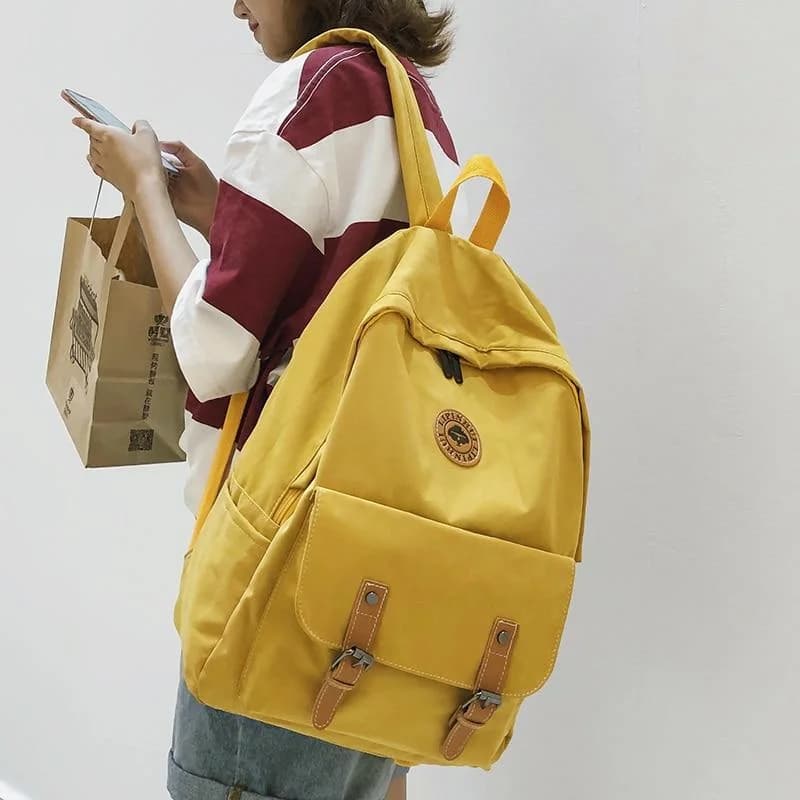
First: grey sweatshirt, light jeans, white trainers and a pink bag. It is soft, simple and works on almost any day. Second: black turtleneck, pleated plaid skirt, tights and a cream or beige bag, which gives a gentle school-inspired look without feeling like a costume. The Kawaii Vintage Buckle Backpack in beige or black suits this kind of outfit, since the buckle detail reads as a classic touch.
Third: white tee, navy dungarees and a yellow bag for a bright weekend look. Fourth: all-black outfit with a blue or green bag as the one colour moment. The Kawaii Daisy Backpack in blue, green or pink would be one option there, and the black version suits you if you want the daisy detail to be subtle.
Fifth: oatmeal knit, wide brown trousers and a red bag. The red adds energy to an earthy palette. For each pairing, the reason it works is the same: one colour leads, the rest support. If a combination feels off, swap one clothing piece before you swap the bag.
Dressing Up or Down: Work, Class and Evenings
Kawaii bags can sit comfortably in more serious settings if the rest of the outfit is calm. For work or a placement, pair a neutral or muted bag with plain tailoring: a button-up, straight trousers, loafers. Black, grey, beige and navy-toned bags blend in, while the cute detail stays as a small surprise. Keep any charms minimal in these settings.
For class or campus, you have more freedom. Hoodies, cardigans, jeans and trainers all take a pastel or printed bag easily. A daily carry option like the Student Kawaii Backpack or the School Bags collection suits classes and casual days, though you should check each listing for exact measurements and what it fits.
For evenings, a small bag looks smarter than a full one. A mini backpack with a slip dress, tights and boots works if you keep the colours simple. If your evening plans start straight after the day, consider swapping the bag contents into a smaller bag, rather than hauling a big one into a restaurant.
Weather and Season, Wherever You Live
Because readers are spread across both hemispheres, think in terms of weather, not months. In wet weather, light colours show splashes and mud more, and darker bags hide marks. Check the product page for any water resistance claims before you rely on a bag in rain; if none are listed, assume it is not waterproof and use a rain cover or keep electronics in an inner pouch.
In cold weather, you wear bulky coats, and a backpack has to sit over them. That means loosening the straps, and it also means a bag colour needs to suit your coat. Puffer jackets in black or navy go with nearly anything. Camel coats suit beige, cream, red and brown. Bright coats are the hardest, so go neutral on the bag.
In hot weather, you wear less, so the bag touches your bare back or a thin top. Lighter colours look fresher, and a smaller, less padded bag can feel less heavy against you. Try a bag on with the kind of top you will wear most, because a strap that feels fine over a hoodie can feel different on a thin tee.
Size Checks Before You Buy
Every bag we list here comes in one size, so you cannot choose a bigger or smaller version. That makes checking the listed dimensions on each product page more important. If a page does not list a measurement, do not guess. Compare against something you own instead: hold a laptop, notebook or tote you already use against a tape measure and note what you actually carry.
Make a short list of daily items: phone, wallet, keys, water bottle, charger, makeup pouch, umbrella, and any books or tablet. Lay them out and imagine them stacked. If the pile looks bigger than the bag you have in mind, step up a size or leave something at home. Overstuffed bags lose their shape, and the cute design gets distorted.
Think about how often your load changes. If some days you carry a laptop and others just a phone, a medium bag is usually more flexible than a mini. If you almost never carry more than essentials, the mini range is lighter and looks tidier. Pick for your normal day, not your once-a-month extreme.
- Write down your daily items
- Check listed dimensions on the product page
- Compare with a bag you already own
- Choose for your normal day
Strap and Comfort Checks
Straps are what you feel all day, so look at them closely in photos and descriptions. Wider, padded straps spread weight more evenly than thin ones. Adjustable straps let you fit the bag higher or lower and change for coats. If a listing does not mention padding or adjustability, check the product page or ask before buying, and do not assume.
When your bag arrives, do a simple fit test. Load it with your usual items, put it on both shoulders, and walk around for ten minutes. Notice whether the straps dig in, slip off, or pull your shoulders back. Adjust so the bag sits close to your back, not swinging. Always use both straps for heavier loads.
Weight matters more than looks over a long day. Keep heavy items, like a laptop, closest to your back, and lighter items outside. Clear out receipts and extras weekly. If you notice discomfort that keeps happening, reduce the load or change how you carry it, and speak to a professional if pain persists.
Details, Charms and Prints
Details change how a bag reads. A plush bear, patch or print makes the bag the star, so the outfit around it should be quieter. Plain bags give you room to add your own charms. If you like to customise, start with one or two charms and see how it feels before adding more, because heavy charms can pull on zips.
Prints need extra colour checking. A bag with several colours should share at least one with your outfit. The Kawaii Strawberry Milk Backpack comes in Lolipop, Doughnut, Strawberry, Banana and Chocolate options, which are quite different in mood. Chocolate is the calmest for a neutral wardrobe, while Strawberry and Banana suit lighter, playful outfits.
The Kawaii Patch Backpack offers colours like pink, green, black, green and gray, and blue and purple. Two-tone options work best with outfits that already contain one of the two colours. If your clothes are mostly plain, a patch bag brings in the personality all by itself.
Capsule Thinking: One Bag or Two?
If you can only buy one, choose the bag that suits your anchor colours and fits your daily load. That is your workhorse. A neutral or soft pastel in a medium size will usually cover school, work and weekends, and you will not feel boxed in.
If you want two, make them different in both colour and size. A larger neutral bag for heavy days, plus a small bright or printed one for light days, covers most situations. The Kawaii Kanken Backpack offers Black, Blue Gray, Pink Gray, Blue, Pink and Red, so it could serve as the everyday option, and the shape is a simple boxy one in the listing photos. Check the product page for exact size and features.
Rotate bags to extend wear. Using the same bag every day wears the straps and corners faster, and rotating gives each one time to rest. You can browse the full Kawaii Backpacks collection when you are ready to compare shapes side by side.
Care and Keeping the Colour Fresh
Light bags pick up marks from denim, newspapers and dark jackets. Dye transfer from new dark jeans is a common cause, so be careful with a new pair rubbing against a cream or pastel bag. Wipe small marks early, since older marks are harder to shift. Check the product page or care label for what the bag can handle, and test any cleaner on a hidden spot first.
Store your bag stuffed lightly with paper or a soft item so it keeps its shape. Keep it away from direct sun for long periods, which can fade colours, and away from damp spots to avoid musty smells. Empty pockets regularly, because crumbs and pens cause stains.
Zip and buckle care matters too. Do not force a stuck zip, and avoid overfilling so that the seams are not strained. If a strap starts fraying, deal with it early. Good care keeps your colour matching working season after season, so the outfits you planned still look right.
Final Buying Checklist
Before you press buy, run through a short list. Colour first: does it match or sit calmly with at least two of your anchor colours? Shape: does it suit the outfits you wear most, and will it hang at a good height? Size: does it fit your usual daily items according to the listed dimensions? If the details are not listed, ask first.
Then comfort: are the straps adjustable and padded, according to the page? Do you wear thick coats that will need looser straps? Then care: can you live with the colour if it picks up marks? Light shades look lovely but need a little more attention.
Last, ask whether you would reach for it on a tired Monday morning. If yes, it is probably the right one. If you are torn between two colours, pick the one that goes with your outerwear, since that is what the bag sits against most. And remember that the best match is the one that makes getting dressed easier, not harder.
- Colour suits two anchor colours
- Shape suits your usual outfits
- Size confirmed from the product page
- Straps adjustable for coats
- Care level you can live with
- Still exciting on a tired morning