Created by the Kawaii Vibe editorial team. Our named style desks are editorial personas. Product details and availability can change.
Getting pants outfits right in queer academia comes down to managing weight, volume, and visual horizontal lines. When you combine structured tailoring, vintage workwear textures, and relaxed layeringWearing pieces over or under one another to add depth, warmth or contrast., it is easy for an outfit to look swallowed up or disjointed. The goal is to keep the intellectual, bookish spirit of the look while giving each garment room to show its shape.
Whether you gravitate toward sharp pleats, wide-leg trousers, or relaxed denim, the magic happens where your hem meets your shoe and where your waistline meets your hemline. Instead of treating every layer as an oversized block, balancing widths and lengths keeps your outfit deliberate, comfortable, and styled with purpose.
This guide breaks down specific proportion formulas, hem decisions, layeringWearing pieces over or under one another to add depth, warmth or contrast. combinations, and fabric balances so you can build grounded, everyday looks using pieces from across your wardrobe.
1. The Core Volume Formula: Anchor Points and Counterweights
Balancing any queer academia outfit begins with choosing an anchor point. When your trousers feature a sweeping, full-cut silhouetteThe overall shape an outfit creates, from fitted to loose and layered., they naturally draw the eye downward. If you also wear an untucked, boxy knit and a long duster coat, the entire visual field flattens out, erasing definition. To counter this, establish a visual counterweight. If the bottom half expands outward, the top half needs deliberate punctuation, whether through a fitted base, a sharp neckline, or a clear waist stop.
You can achieve this balance without wearing skin-tight garments. A boxy, cropped sweater over a collared shirt works exceptionally well with wide trousers because the crop stops at your natural waist, creating an intentional horizontal line. This gives your trousers permission to flow freely without dragging your torso down. Alternatively, pairing slim or tapered bottoms with an oversized blazer and chunky knit creates the inverse balance, shifting volume upward.
When scanning our wider Queer Academia Clothes catalog, notice how successful silhouetteThe overall shape an outfit creates, from fitted to loose and layered.s alternate between structural tension and flow. Keeping this contrast in mind prevents your layered outfits from feeling heavy or chaotic.
- Wide bottoms need a clear waist indicator or a structured shoulder line.
- Narrow trousers benefit from layered volume up top, such as vests or boxy blazers.
- Mid-volume straight trousers offer the most flexibility for varied layer lengths.

2. Finding Your Break: Hem Lengths and Shoe Pairings
How your trousers meet your footwear dictates the tone of your outfit. A full break occurs when the fabric pools noticeably over your shoes. This creates an effortlessly relaxed, vintage study-hall look, but it requires footwear with enough sole height to prevent your hems from dragging on wet sidewalks. Chunky oxfords, platform derbies, and thick-soled boots are ideal partners for full-break trousers.
A medium or half break features a slight dimple in the crease where the cloth grazes the top of your shoe. This is the most classic academic hem, giving you clean vertical lines that showcase your tailoring. It works reliably with classic penny loafers, brogues, and low-profile lace-ups, maintaining a crisp profile that keeps both relaxed and formal pieces looking tidy.
A cropped or no-break hem exposes the ankle or your socks, offering an opportunity to display ribbed cotton, argyle patterns, or deep jewel tones. This style keeps wide or tapered pants crisp and prevents heavier wools or corduroys from appearing bulky around your ankles.
3. Straight-Leg Balance: The Academic Baseline
Straight-leg trousers are the foundational building block of scholarly styling. Because they maintain a uniform width from hip to cuff, they provide a neutral silhouetteThe overall shape an outfit creates, from fitted to loose and layered. that can support either compact or generous upper layers. They eliminate the extreme visual taper of skinny fits while avoiding the dramatic sweep of palazzo cuts, making them ideal for everyday academic ensembles.
When styling straight-leg bottoms, pay attention to the rise. A high or mid-rise waist lets you tuck in button-downs, vintage graphic tees, and light cardigans cleanly. A simple belt adds a visual dividing line that makes your legs look longer, even if you throw a loose trench or long cardigan over your shoulders.
A reliable styling formula pairs straight trousers with a tucked shirt, a knitted crewneck vest, and leather lace-ups. This setup keeps the torso trim, displays your collar layeringWearing pieces over or under one another to add depth, warmth or contrast., and gives the straight legs enough visual weight to ground the outfit naturally.
4. Mastering Wide-Leg Slacks and Pleats
Wide-leg slacks carry a bold, poetic presence, but they demand careful management around the hips and torso. Pleated fronts give wide-leg trousers their classic drape, letting the fabric fall cleanly rather than bunching across the front. To keep the look intentional, your upper layers should avoid competing with this broad expanse of fabric.
Tucking in your base layer is the simplest way to keep wide trousers looking balanced. A fitted mock-neck knit or a crisp shirt tucked securely inside a structured waistband ensures your silhouetteThe overall shape an outfit creates, from fitted to loose and layered. stays grounded. If you want an extra layer, pick an open cardigan or an unbuttoned chore jacket that falls either right at the waistband or just past the lower hip.
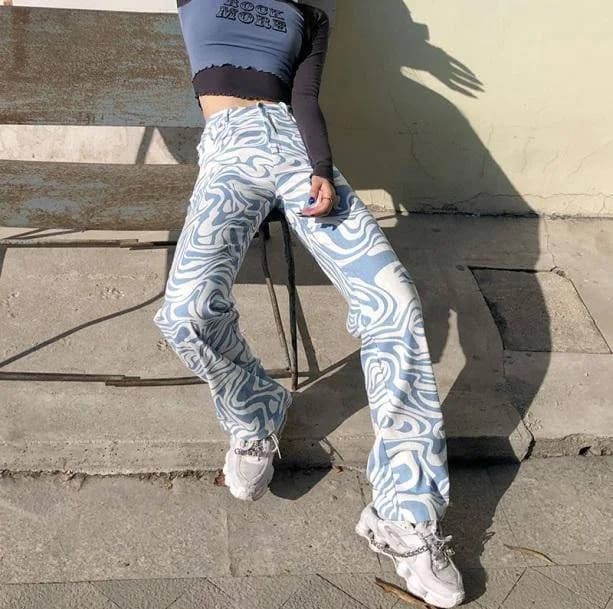
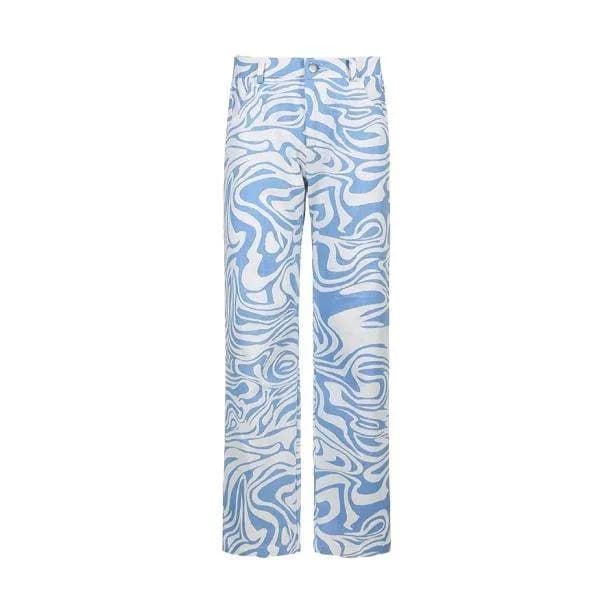
For a trouser option that pairs cotton breathability with fluid everyday movement, consider the Aesthetic Wavy Pants. Made from cotton and available in Blue, Brown, and Khaki across sizes S through L, their relaxed cut pairs effortlessly with fitted knit vests, tucked poplin shirts, and hefty platform loafers.
- Tuck the base layer to establish your natural waist before adding outer layers.
- Select outer layers that hit either directly at the waistband or sweep past mid-thigh.
- Choose footwear with substantial soles to complement the wide hem sweep.
5. Styling Flare and Bell Silhouettes in Academic Outfits
Flared hems introduce a mid-century, counter-culture energy to traditional scholarly aesthetics. Because bells narrow around the knee before widening at the calf, they create a natural hourglass line along the lower body. This makes balancing your top layers straightforward, provided you do not conceal the knee taper.
If your jacket or sweater ends right at your knee, it hides the narrowest point of the pant leg, turning the silhouetteThe overall shape an outfit creates, from fitted to loose and layered. into an undefined block. To avoid this, keep your outer layers cropped above the hip, or select an elongated, duster-length coat that remains unbuttoned to show the full leg line as you walk.
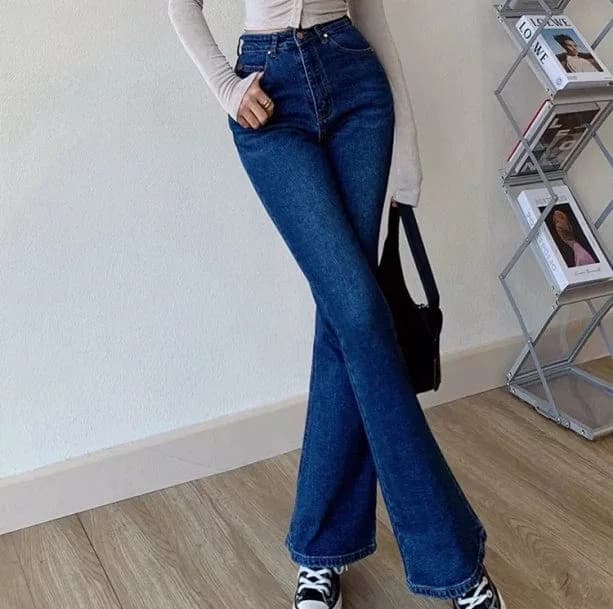
The Aesthetic Bell Pants bring this distinct shape forward in cotton and polyester. Offered in Light Blue, Dark Blue, and Black in sizes S through XL, they feature a structured upper leg and a clear flare. Pair them with a structured button-up shirt and an unbuttoned wool cardigan, grounded by chunky oxfords to lift the hems.

6. High-Waistlines and Torso Proportions
High-waisted trousers are a staple of academic styling because they nod to mid-century tailoring while lengthening your leg line. However, raising the waistline naturally shortens the visual space of your torso. When layeringWearing pieces over or under one another to add depth, warmth or contrast. tops, your goal is to prevent your chest and midsection from looking cramped.
To maintain an open, balanced chest area, lean into open necklines. V-neck sweater vests, unbuttoned camp collars, and relaxed point collars create downward vertical lines that balance the high waistband. Avoid very high, suffocating crewnecks paired with bulky scarves unless your jacket adds vertical lines down the front.
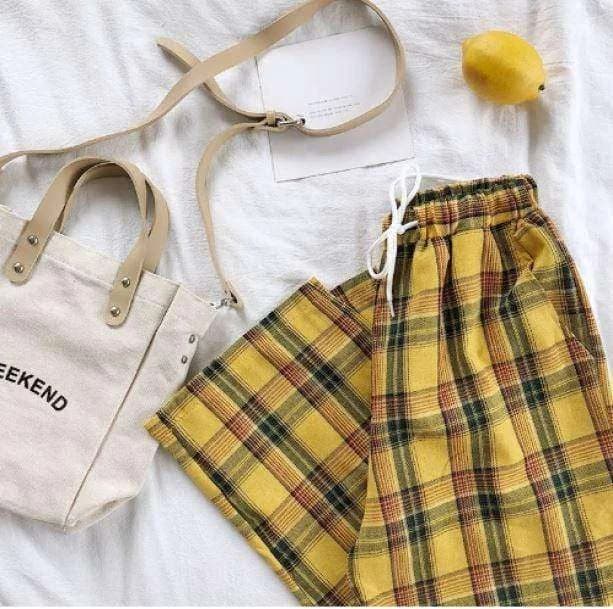
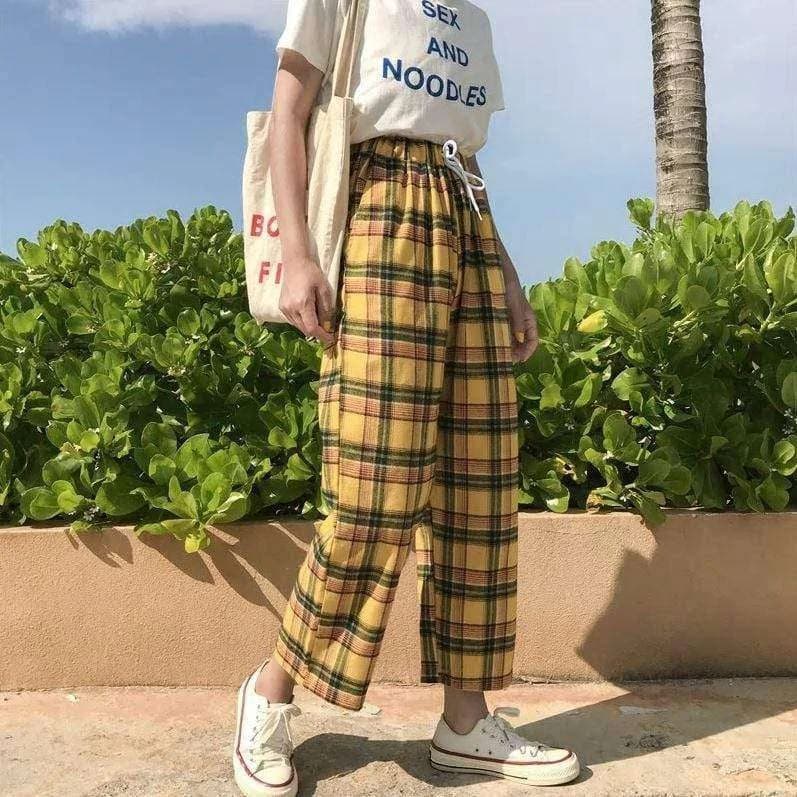
A vibrant example is the High Waist Yellow Pants, made from a blend of cotton, microfiber, and spandex in One size. Their bright tone and elevated rise make them a bold statement bottom. To style them within this aesthetic, tone down the palette with a deep navy or charcoal tucked knit, and add dark leather loafers for contrast.
7. Incorporating Casual Denim into Academic Layering
Jeans bring a relaxed, lived-in feel to academic looks, grounding formal waistcoats, blazers, and ties in casual daily wear. The key to keeping denim aligned with this aesthetic is avoiding overly modern washes, synthetic distress details, or aggressive bleaching. Deep raw indigo, washed black, ecru, and soft mid-blue tones feel timeless and fit scholarly palettes.
Denim has a firmer structure than suiting fabric, meaning it drapes with more stiffness. Straight-leg and wide-leg jeans hold their shape cleanly, providing a solid base for soft, tactile upper layers like cable knits, brushed wool, or corduroy jackets. Cuffing your jeans into a wide, visible hem adds an intentional, workwear-inspired finishing touch.
Browsing dedicated options within Queer Academia Jeans shows how denim easily supports bookish style when balanced with tailored top layers, classic belts, and sturdy leather footwear.

8. Asymmetric Waists and Layer Detailing
While traditional tailoring leans on strict symmetry, queer fashion often reinterprets these lines with asymmetrical cuts and unexpected overlaps. Pants with crossover or offset waistbands turn your waistline into a design focal point. When wearing distinctive waist details, tuck your tops cleanly to keep the construction visible.
Pairing an offset waist with an untucked, chunky sweater hides the feature entirely, eliminating what makes the garment unique. Instead, select a compact base layer such as a tucked rib knit or a neatly tailored shirt, then layer with open garments like unbuttoned cardigans or light jackets that frame the center closure.
The Cross Waist Jeans, available in sizes S through 2XL, showcase an angled crossover waistband. By pairing them with a simple tucked mock neck or graphic top, you display the tailored detail while maintaining the comfortable, durable feel of relaxed denim.
- Always tuck your base layer when styling crossover or decorative waistbands.
- Wear open overshirts or light coats to frame the waist without obscuring it.
- Keep belts minimal or skip them entirely so they do not compete with the angled seams.

9. Layering Tops: Knits, Vests, and Collars
The upper half of a queer academia outfit relies on textures, visible collars, and stepped hems. When styling multiple top layers over trousers, pay close attention to where each hem lands. A classic combination involves a collared button-down, a knitted sweater vest, and an unbuttoned outer jacket, each ending at a slightly different level.
To keep this setup tidy, make sure your knitted vest is shorter than the collared shirt underneath, letting a band of fabric peek out at the bottom, or tuck the shirt hem while leaving the vest cropped at your belt line. This prevents extra fabric from bunching up around your hips.
Explore curated selections in Queer Academia Tops to find knits, vests, and crisp collars that layer neatly without adding unnecessary bulk around your waist.
For a more deliberately prince-inspired variation, choose a blouse with a clear collar and layer a waistcoat over it, letting the blouse hem show below the waistcoat. This uses the section’s attention to hem order while giving the upper half a more defined shape than a knit vest. The Kodona Clothes collection offers a reference for that layeringWearing pieces over or under one another to add depth, warmth or contrast. direction.
- Let collar points, cuffs, and subtle shirt tails frame your knitwear.
- Choose lightweight base shirts so your chest layers do not feel stiff or stuffy.
- Keep the thickest knit as your outermost layer before your coat.
10. T-Shirts and Graphic Bases in Scholarly Outfits
A casual t-shirt can soften the formality of tailored trousers and blazers. When styling t-shirts into academic looks, look for graphic motifs referencing literature, fine art, historical design, or retro music. A graphic base introduces personality to an otherwise neutral outfit.
Tucking your t-shirt completely into high- or mid-rise trousers defines your waist and keeps the graphic readable. Top it with an unbuttoned overshirt, a relaxed blazer, or a slouchy cardigan to create an effortless high-low blend. Rolling the sleeves of your t-shirt once or twice can also sharpen your shoulder line.
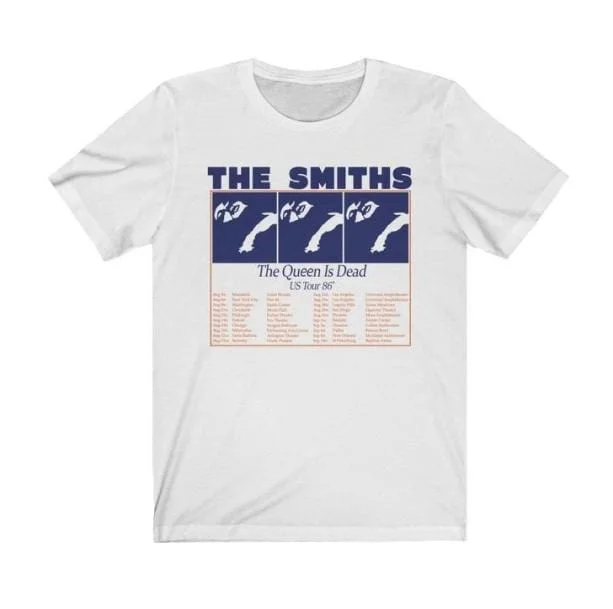
For a literary music reference, The Queen Is Dead T-Shirt, available in One size, pairs effortlessly with wide trousers or cuffed denim. LayeringWearing pieces over or under one another to add depth, warmth or contrast. it under an unstructured tweed jacket with dark leather brogues creates a timeless, counter-culture academic look. You can find more casual staples in Queer Academia T-Shirts.
11. Weather-Adaptive Layering: Warm Days vs. Cold Seasons
Proportions must adapt to changing seasons. In colder weather, you will naturally add weight with overcoats, thick wool socks, and ribbed scarves. With straight or wide trousers, an unbuttoned long wool coat creates clean, parallel vertical lines that elongate your body. If you button the coat, use a leather belt at the waist or choose a structured coat with tailored shoulders to prevent looking boxy.
In warmer weather, staying cool while keeping an academic aesthetic requires lighter fabrics and thoughtful silhouetteThe overall shape an outfit creates, from fitted to loose and layered.s. Swap heavy wool slacks for breathable cotton or linen-blend trousers, and substitute thick knits for short-sleeve button-downs or breezy graphic tees. You can carry an unbuttoned light overshirt to keep the layered look intact without overheating.
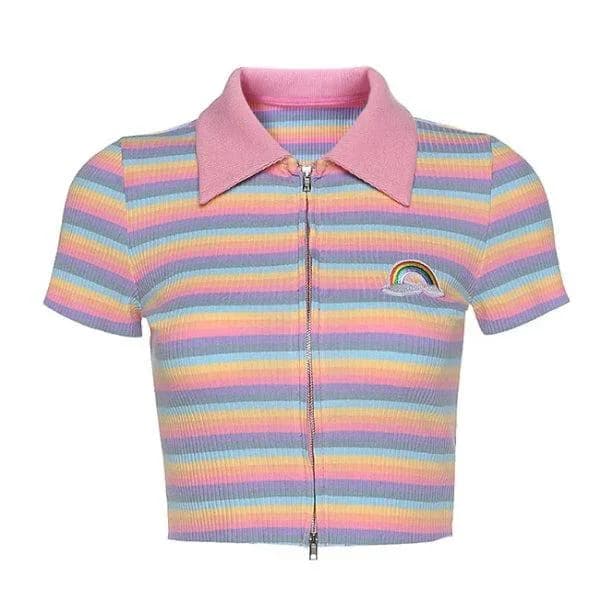
To add a playful pop of color to mild-weather layeringWearing pieces over or under one another to add depth, warmth or contrast., the Rainbow Zipper Up Top comes in sizes S through L. It can be worn zipped up as a fitted top tucked into wide-leg trousers, or left partially unzipped over a ribbed tank to create a relaxed neckline.
12. Styling Non-Pant Alternatives: Skirts and Kilts
While trousers are central to this aesthetic, pleated skirts and kilts share identical proportion principles. Pleated skirts follow the same rules as wide-leg trousers: their flare requires intentional top layeringWearing pieces over or under one another to add depth, warmth or contrast. to maintain a balanced silhouetteThe overall shape an outfit creates, from fitted to loose and layered.. Boxy tops can look charmingly vintage, but cropped or tucked layers remain the most reliable way to highlight your waist.
Pairing skirts with tailored blazers, patterned knit vests, and chunky oxfords with ribbed crew socks mirrors the balance of tailored slacks while adding movement. The hemline of the skirt dictates footwear pairing, with mini cuts balancing well against knee socks and tall boots, while midis suit low derbies.
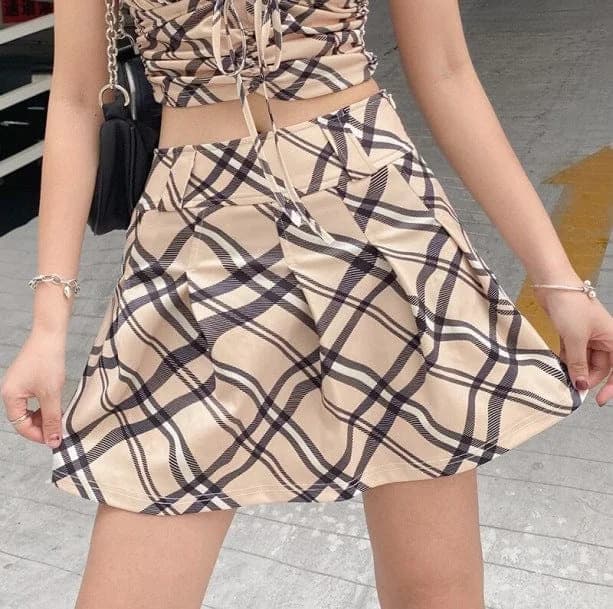
Our Aesthetic Corduroy Skirt comes in sizes S through XL, bringing tactile vintage corduroy to scholarly layeringWearing pieces over or under one another to add depth, warmth or contrast.. Pair it with a tucked white shirt, an argyle vest, and sturdy brogues. For a shorter, high-rise option in Beige or Black, the Vintage High Waisted Mini Skirt in sizes S and M delivers structured, preppy proportions when paired with opaque tights and an oversized blazer.
13. Common Proportion Pitfalls and How to Fix Them
One common mistake when styling pants in this aesthetic is letting hemlines bunch untidily over slim shoes. If your wide-leg trousers pool on top of a low-profile sneaker, the hem folds awkwardly and hides the footwear. Fix this by matching broad hem sweeps with chunky footwear, or cuffing the hem until it falls in a clean, deliberate break.
Another pitfall is layeringWearing pieces over or under one another to add depth, warmth or contrast. garments that all finish at the exact same point on your hips. When your shirt, knit vest, and jacket all hit the same horizontal line, it adds unnecessary bulk across your midsection. Stagger these hems: keep the vest cropped at the belt, let the shirt hem drop slightly lower, and allow the coat to reach past the hips.
Finally, avoid burying high-rise waistbands beneath long, untucked knits. If you choose high-waisted pants for their flattering leg lines, either use a full tuck, do a gentle front tuck, or choose knitwear that ends neatly at the top of the waistband.
14. The Practical Outfit Building Checklist
Before heading out the door, take a moment to look at your reflection and assess how your garments interact. Building a cohesive queer academia pants outfit is less about following rigid rules and more about making sure each layer has room to breathe. When balance is achieved, your outfit feels comfortable and looks effortless.
To explore more tailored and relaxed pieces for your rotation, browse the complete Queer Academia Pants collection, where you can compare cuts, rises, and materials to suit your personal style. Use this quick checklist whenever you assemble a new layered pants outfit:
Use the quick checklist below to assess your silhouetteThe overall shape an outfit creates, from fitted to loose and layered. before finishing your look: