
Cross Waist Jeans
$34.99

Kawaii Vibe · Your own kind of cute.
Queer Academia
Build everyday scholarly outfits with Queer Academia Jeans featuring vintage washes, graphic checks, and distinct waistlines. Compare wide-leg profiles, criss-cross waistbands, and relaxed 90s cuts across sizes S to 2XL. Review flat garment measurements, match rises with tucked shirts, and explore layered looks. Free standard shipping on every order.

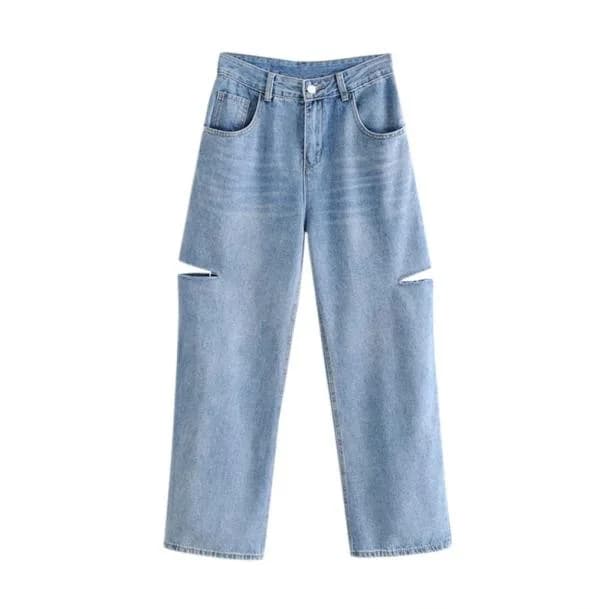


Selecting denim for an academic wardrobe starts with waist construction. Tucking button-down shirts, fitted tees, or knitwear shifts how fabric sits across your midsection. Standard mid-rise denim handles basic styling, but high-waisted cuts change your torso proportions, holding tucked garments neatly in place throughout study sessions or daily commutes.
Consider the visual details on your waistband before picking a cut. The Cross Waist Jeans feature an asymmetrical, overlapping front closure that draws the eye directly to the center line. Because this cut incorporates distinct hardware lines, pairing it with cropped hemlines lets the structural detailing show.
When styling high-waisted options with bulkier upper layers, volume balance becomes critical. LayeringWearing pieces over or under one another to add depth, warmth or contrast. thick knitwear from our Queer Academia Sweaters selection over overlapping waistbands can bunch up fabric. Instead, match your waist rise to your tucking habits so your denim sits smoothly beneath jackets or cardigans.
Check how each pair fastens before settling on your everyday setup. Slimmer high-rise designs require accurate pelvic measurements to prevent pulling across the zip fly. Planning around your usual shirting methods guarantees your denim accommodates layers without shifting awkwardly during long days on campus.
Leg silhouetteThe overall shape an outfit creates, from fitted to loose and layered.s set the tone for scholarly dressing, determining whether your overall look leans structured or slouchy. Slim silhouetteThe overall shape an outfit creates, from fitted to loose and layered.s offer clean, uninterrupted vertical lines from hip to ankle. In contrast, wide cuts create relaxed drape that offsets tailored blazers or structured chore coats commonly found in lecture halls.
For relaxed drape, our Wide Leg Jeans utilize a jeans-and-polyester blend that allows trousers to fall straight down over shoe uppers. The broadened hem balances heavy footwear or oversized wool outerwear. This wider shape prevents garments from clinging, creating an easy shape through the thighs.
Alternatively, slim cuts emphasize footwear lines and defined proportions. When pairing slim silhouetteThe overall shape an outfit creates, from fitted to loose and layered.s with sturdy outerwear, the tapered lower leg stops excess fabric from flapping or catching on desk chairs. Evaluating your day-to-day commute helps determine whether voluminous pant legs or streamlined cuffs suit your routine.
Both silhouetteThe overall shape an outfit creates, from fitted to loose and layered.s belong inside the broader Queer Academia Pants roster, giving you distinct options for different environments. Balance lower-leg volume against your everyday footwear to prevent trailing hems on wet sidewalks while maintaining proportional harmony from your shoulders to your soles.
Scholarly denim does not need to remain monochrome blue. Introducing surface texture or graphic elements brings subcultural personality into formal collegiate environments. Ripped knees, whiskering, or geometric grid prints modify how vintage pieces interact with traditional campus outerwear like trench coats or knit vests.
Graphic denim like our 90s Blue Checkered Jeans blends cotton and polyester to create an all-over grid visual. A geometric pattern introduces strong visual motion, so balancing your upper body with neutral items from Queer Academia T-Shirts prevents competing textures from overwhelming your silhouetteThe overall shape an outfit creates, from fitted to loose and layered..
If you prefer vintage physical distress over print, the 90s High Waist Ripped Jeans offer knee abrasions in a cotton and polyester blend. Distressed woven fabrics bring casual contrast to structured blazers or formal collars, grounding collegiate aesthetics with lived-in grit.
When choosing patterned or shredded denim, consider where you plan to wear them. Libraries, studio classes, and informal gatherings welcome bold, worn-in details. Reserve all-over checkered prints for solid-toned tops to let graphic legwear remain the focal point of your outfit.
Online denim shopping requires close attention to listed garment dimensions rather than assumed numerical conversions. Sizing tags like S, M, L, XL, and 2XL vary drastically between silhouetteThe overall shape an outfit creates, from fitted to loose and layered.s. Blends containing polyester or cotton behave differently across designs, meaning hip, thigh, and waist measurements must align with your body shape directly.
Several items in our catalog, including the cotton-polyester 90s Love Jeans, supply dedicated measurement tables on their product pages. Compare your actual body measurements against these flat garment measurements, leaving adequate room for movement. Do not guess your tag size based on other high-street brands.
For pieces where dimension charts are absent, such as the Cross Waist Jeans, do not rely on assumed size conversions. Look at the product photos and evaluate how you prefer slim, high-waisted denim to sit before selecting a size. This step ensures the waistband circumference and rise depth properly accommodate your shape without unwanted tightness.
Factoring in garment tolerances prevents return hassles and ill-fitting garments. Prioritize hip width over waist circumference when reading charts, since tailoring a loose waistband is straightforward, but narrow hip seams cannot be expanded once stitched.
Pairing tops with denim trousers requires balancing fabric weights and hemlines. Oxford shirts, mock-neck tops, and cable-knit knits interact differently with denim fabrics. A tailored button-up brings crisp structure to relaxed denim, creating a classic scholarly dichotomy that suits seminar presentations.
To explore complementary garments, inspect our broader Queer Academia Tops catalog. Tucking a thin poplin shirt into wide-leg denim establishes a clean, mid-century campus line. For colder library visits, layeringWearing pieces over or under one another to add depth, warmth or contrast. a sleeveless sweater vest over a pointed collar introduces contrasting textures without bunching at the waistline.
Cropped sweaters also pair effectively with high-rise waistbands, eliminating the bulk of tucked knitwear. When wearing mid-rise cuts, choose longer hemlines that drape gently past the belt line. Avoiding excess fabric bulk around the fly keeps your silhouetteThe overall shape an outfit creates, from fitted to loose and layered. sharp and comfortable throughout sitting periods.
Think about sleeve proportions alongside your jeans cut. Puffed sleeves balance wide hemlines, while fitted turtlenecks create clean vertical silhouetteThe overall shape an outfit creates, from fitted to loose and layered.s when worn with slim trousers. Coordinate your top layer weight with waistband clearance to ensure shirts sit comfortably without pulling against the denim button closure.
Footwear dictates where your denim hems fall and influences your overall posture. In queer academic style, shoes bridge the gap between traditional scholarly dress and countercultural fashion. Heavier soles ground loose-fitting trousers, while refined leather designs sharpen vintage straight-leg cuts.
Explore options inside Queer Academia Shoes to find appropriate matches for your hem widths. Chunky brogues and platform oxfords lift wide hems away from the ground, preventing frayed cuffs during wet commutes. Their substantial silhouetteThe overall shape an outfit creates, from fitted to loose and layered.s balance wider leg openings effortlessly.
When wearing slim or straight cuts, transition to pieces from our Queer Academia Boots selection. Ankle boots and lace-up combat boots slide neatly under tapered hems or allow for clean cuffed styling. Tucking straight denim into taller boot shafts creates a utilitarian look suitable for field studies.
Pay close attention to inseam lengths relative to your shoe sole height. Low-profile flats paired with long, wide trousers risk dragging fabric underfoot. Match shoe sole thickness to denim inseam drop so your pant cuffs hover cleanly just above the floor.
Accessories serve practical and aesthetic roles when finishing a denim outfit. Academic dressing leans heavily on utility, meaning belts, hardware, and small accents should keep garments functional while adding visual interest. Leather textures, metallic buckles, and subtle details pull disparate clothing layers together.
Securing your waistband properly starts with our Queer Academia Belts. A classic brass or silver buckle anchors high-waisted denim, locking your shirt tuck in place. For asymmetrical closures like cross-waist cuts, omitting a belt preserves the unique hardware and angled fabric lines.
Jewelry choices should complement your denim wash and hardware tones. Silver rings and pendant chains pair naturally with lighter denim washes, while deep indigo denim complements brass or antiqued metal. Keeping accessories lightweight prevents them from tangling with backpack straps or satchels across campus.
Think about everyday utility when picking your finishing accents. Wallet chains, watch fobs, or structural leather belts add vintage references without compromising movement. Select belt widths that match your denim belt loops to prevent leather from curling under pressure throughout the day.
Constructing a reliable rotation means styling denim across shifting social settings. Whether attending an afternoon study group, gallery walk, or late-night discussion, denim provides a versatile base that shifts tone through thoughtful top and footwear selections.
To view the full aesthetic landscape, browse Queer Academia Clothes. You can combine 90s checkered denim with a structured blazer and loafers for a creative campus presentation. Conversely, switching the blazer for a relaxed cardigan creates an easy outfit for working in communal campus spaces.
Transitioning outfits between seasons relies on smart layeringWearing pieces over or under one another to add depth, warmth or contrast. rather than buying completely new garments. In warmer months, pair light-wash denim with short-sleeve collared shirts. As temperatures drop, slide wool overcoats over your wide-leg denim, allowing the heavy fabric drape to ground long outerwear silhouetteThe overall shape an outfit creates, from fitted to loose and layered.s.
Every successful wardrobe setup relies on accurate fit, personal comfort, and deliberate garment combinations. Standard shipping is free on every order. Priority shipping is available at checkout. Review your existing layers before selecting new denim cuts to assemble outfits tailored to your daily schedule.
Proper care extends the lifespan of denim fabrics and helps graphic prints or distressing stay intact. Garments like the 90s checkered cut combine cotton and polyester, which require sensible laundering routines to prevent fading or unwanted fiber breakdown over time.
Turn your trousers inside out before placing them into the washing machine. This protects surface treatments, ripped thread details, and checkered prints from abrasive rubbing against other garments during agitation cycles. Use cold water and gentle detergent formulations to preserve deep blue pigments.
Avoid high-heat machine drying, which can warp synthetic fibers or shrink cotton components around structural seams. Instead, hang your denim by the waistband or lay it flat on a drying rack away from direct, harsh sunlight to maintain original fabric shape.
Steaming or ironing at low temperatures helps remove hard creases without flattening decorative woven textures. Wash your denim inside out on cold cycles to keep both printed grids and distressed knee threads resilient across repeated weekly wear.
How denim cuffs interact with your shoes alters the entire visual line of an outfit. Academic styling frequently features pinrolls, wide single cuffs, or stacked fabric pools over boots and brogues to showcase specific footwear silhouetteThe overall shape an outfit creates, from fitted to loose and layered.s.
Straight-cut and slim trousers with longer inseams allow for sharp cuffing. Folding a two-inch cuff reveals the lighter underside weave of the fabric, which provides a crisp break between deep denim tones and dark leather boots.
Conversely, wider leg cuts like the Wide Leg Jeans are cut to drape straight down. Attempting to roll wide leg hems can result in awkward, bulky cuffs that slip loose while walking. Wide-leg cuts typically look best left unrolled to break gently over platform soles.
Measure your preferred outseam and inseam lengths against your regular daily footwear choices before choosing a size. Leave wide hems uncuffed over platforms and save deep folded cuffs for structured slim or straight denim legs.