
Sunset Belt
$20.99

Kawaii Vibe · Your own kind of cute.
70s
Give retro silhouetteThe overall shape an outfit creates, from fitted to loose and layered.s clear waist definition with authentic 70s belts. Choose between polished metal links and warm sunset-toned accents to frame flared pants, flowing dresses, and relaxed outerwear. Check item photos and individual measurements across each listing to confirm length details. Standard shipping is free on every order. Priority shipping is available at checkout.
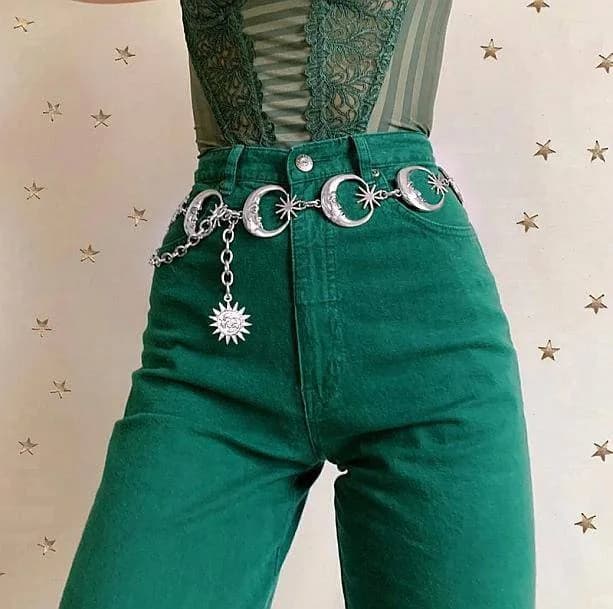
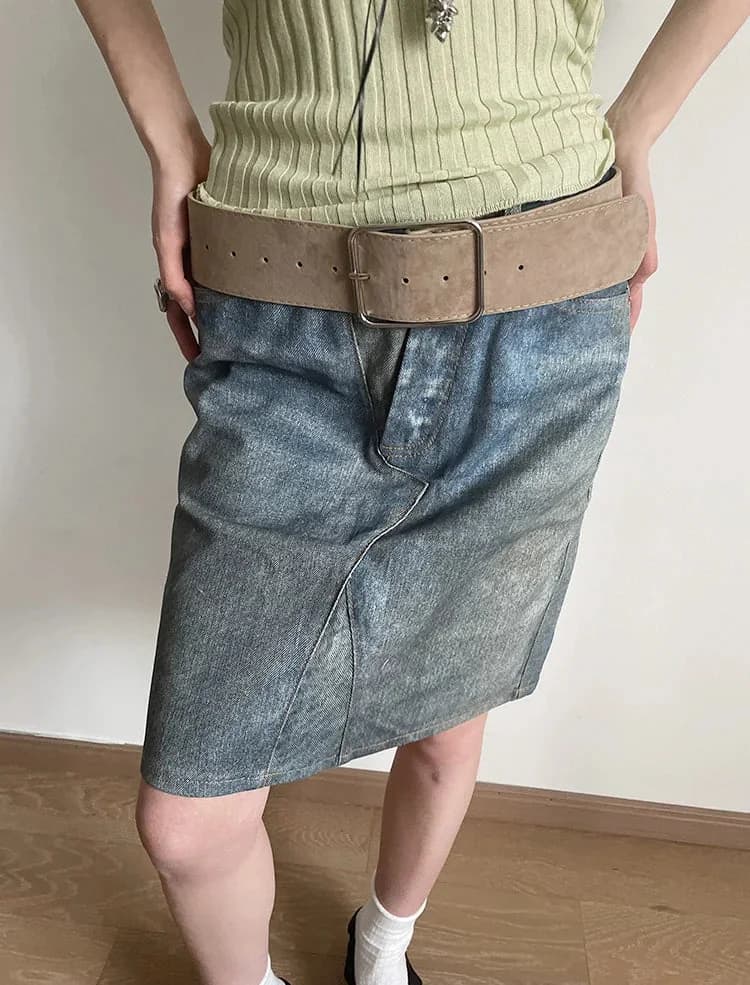
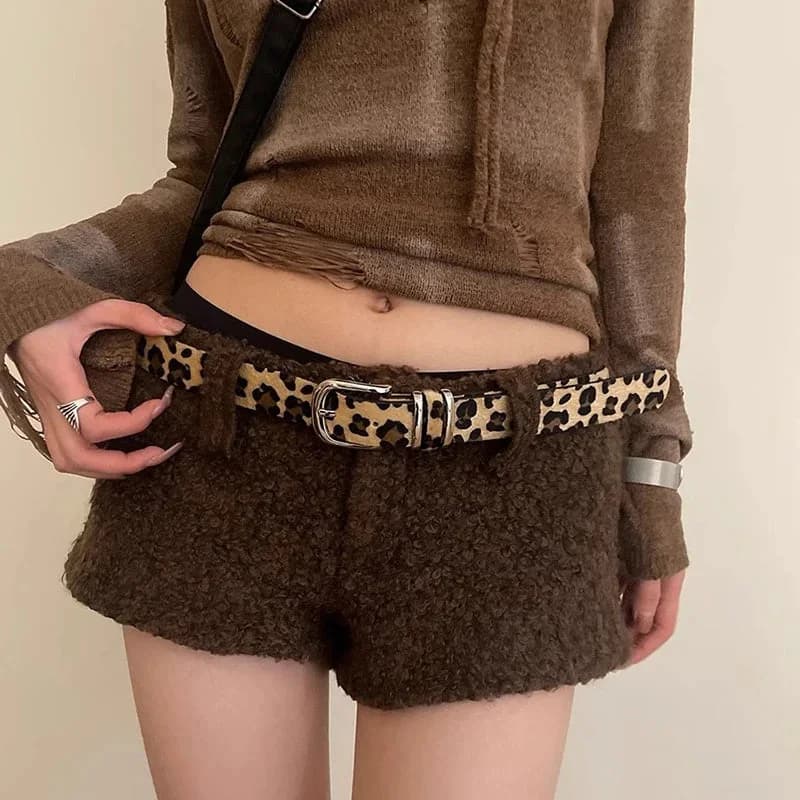
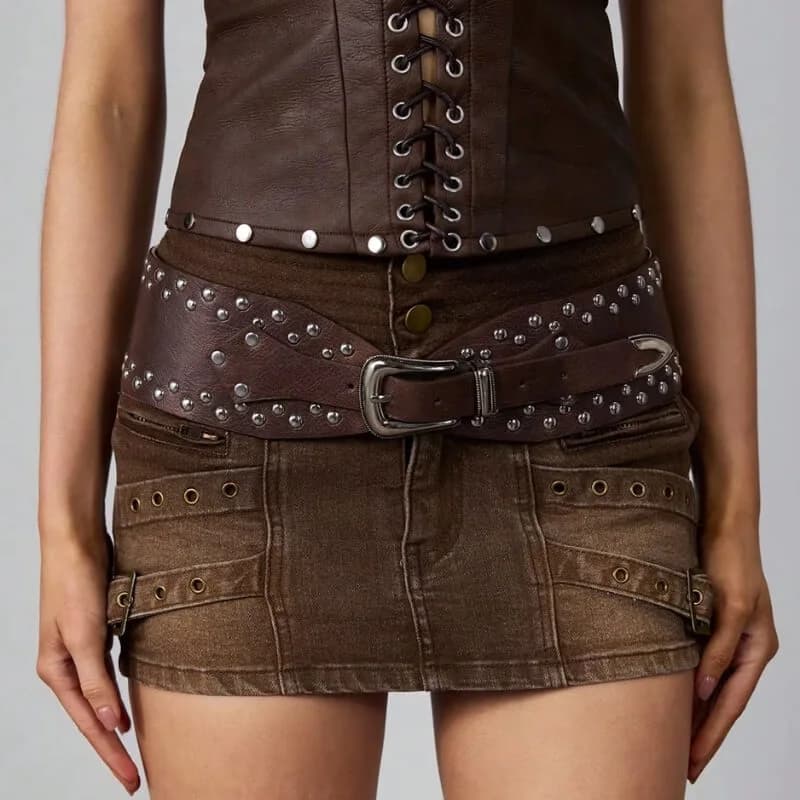
Your first practical decision when shopping for 70s belts is choosing between structured solid bands and dangling metal chains. A metal link design drapes loosely across the hips or loops around the natural waist, creating fluid movement. In contrast, solid straps sit flush against fabrics, defining waist seams on relaxed fits.
Consider how the hardware interacts with your base layers. If you wear textured corduroy or heavyweight denim, a bold metal chain stands out sharply against the dense weave. Smoother cottons and knitwear let metallic links glide without catching, whereas delicate knits require smooth strap finishes.
Take the metal Moon Child Belt as a specific example of this styling route. It features a continuous 126 cm metal length, allowing you to hook the clasp at various intervals depending on whether you want high-waist definition or a relaxed hip drop.
If you want to keep your accessories cohesive, look at your existing metallic hardware. Match your belt finish to your everyday metal jewelry like silver rings, buckle boots, or bronze necklace chains. This keeps contrasting textures intentional across the outfit.
Before selecting a finish, review how the piece fastens. Metal chains typically rely on lobster clasps or hook closures that attach anywhere along the links. Strap designs use prongs or friction buckles, demanding a more specific match to your actual waist dimensions.
Retro accessories often appear as one-size listings, making physical tape measurements essential before you order. A piece tagged as one size does not adjust infinitely. It is built to a specific fixed length or limited clasp range that dictates where it can realistically rest on your body.
Always measure your body where you intend to wear the piece rather than relying on your standard trouser tag. If you want a belt to cinch a high-rise dress, measure your narrowest torso circumference. If you want it slung low, measure directly over your hip bones.
Listing details vary noticeably across different styles in our catalog. The Moon Child Belt includes a measurement chart confirming a specific total length of 126 cm. This fixed number lets you calculate precise drape and excess tail length against your tape measurement.
Standard shipping is free on every order. Priority shipping is available at checkout.
Remember that outer layers add bulk. If you plan to wear an accessory over thick denim or a jacket, wrap your measuring tape directly over those layered garments to get an accurate total length requirement.
Wide-leg flares and bell-bottoms dominate classic seventies styling, making the waistline the focal point of the entire silhouetteThe overall shape an outfit creates, from fitted to loose and layered.. Pairing these cuts with dedicated 70s belts separates your top from high-rise trousers, keeping the vertical line clean and deliberate.
When styling wide-leg cuts from our 70s pants collection, examine the belt loop clearance. Some vintage-style trousers feature narrow two-centimeter loops, while others have wide four-centimeter tunnels. Threading a chunky chain through narrow loops can bunch the fabric uncomfortably.
If your trousers lack loops entirely, switch to a draping chain style. A loose metal link design sits comfortably along the waist seam of seamless trousers without pulling the side pockets open or distorting the trouser front.
Tuck your tops completely when styling statement waist pieces with trousers. A cleanly tucked fitted tee or blouse keeps the buckle or drop chain visible, preventing excess fabric from rolling over the top of the belt band during movement.
Consider fabric stiffness when cinching trousers. Rigid raw denim holds belt pressure without gathering, whereas lightweight linen or thin polyester will wrinkle visibly under tightly fastened straps, signaling the need for a looser hip drape.
Seventies fashion frequently utilizes billowy maxi cuts, tiered hems, and balloon sleeves. Adding an accessory around the torso breaks up expansive patterns, giving structure to voluminous cuts found in our 70s dresses selection without requiring tailored alterations.
Look at the waistline construction of the dress before putting on your belt. If the dress has an elasticated waist seam, place the belt directly over the gather to conceal the stitching. If the dress is a straight shift, you control the placement entirely.
The Sunset Belt offers warm visual balance over solid prairie dresses. Its sunset-themed aesthetic contrasts cleanly against plain cream, unbleached cotton, or dark denim smocks, introducing a rich focal point without overwhelming softer, flowy materials.
When belting lightweight fabric, avoid sharp hardware that could snag loose threads. Smoothly polished metal links and flat strap backings slide easily against rayon, viscose, and voile, keeping the dress fabric unblemished across long wear.
Adjust how much fabric blouses over the top. Pull dress fabric slightly upward after securing your belt to create an effortless blouson effect. This softens the transition between your upper bodice and lower tiered skirt sections.
LayeringWearing pieces over or under one another to add depth, warmth or contrast. is central to transitional seventies fashion, where cropped silhouetteThe overall shape an outfit creates, from fitted to loose and layered.s meet open outerwear. Belting waistlines while managing multiple upper layers requires balancing visual weight, especially when mixing pieces from our 70s tops lineup with longer overshirts.
When styling fitted cuts from our 70s crop tops collection, the belt sits directly below the hemline against bare skin or high-waist waistbands. In this setup, metal links act like jewelry, adding shine across the midriff area.
If you prefer heavier tops, examine how knitwear changes the silhouetteThe overall shape an outfit creates, from fitted to loose and layered.. Thick ribs from our 70s sweaters collection can easily swallow delicate belt straps, making wide metal chains or bold buckle designs more visible.
Open-front layeringWearing pieces over or under one another to add depth, warmth or contrast. provides a compelling framing technique. Wear an unbuttoned knit cardigan or an open utility shirt over your base outfit, allowing the belt buckle to peek through the center front while keeping your sides covered.
Keep the clasp clear of sweater hems. Fasten belt buckles squarely at the center front so they do not catch on the interior ribbing or side seams of your open cardigans during active movement.
Accessories should converse with one another across your finished look. When styling metallic chain belts, align the tone with pieces from our 70s jewelry selection to maintain visual intent from your neck down to your waistline.
If you choose a silver-toned metal piece like the Moon Child Belt, consider repeating that metallic motif at ear level. Pairing cold-toned metal links with sculptural designs from our 70s earrings range creates a balanced frame across the torso.
Bag strap placement also affects how your waist accessories display throughout the day. Crossbody bags have long straps that cut diagonally across the chest and waist, which can tangle with hanging chain drops or bump against raised belt buckles.
To avoid hardware collisions, pair statement waistpieces with shorter shoulder bags from our 70s bags catalog. Underarm shoulder bags keep your hip area completely unobstructed, leaving your belt fully visible from every viewing angle.
Pay attention to the hardware finish on your handbag. Match belt hardware to your bag clasps and zip pulls to keep your metallic accents from clashing when both items are viewed side by side.
The width and placement of your belt dictates how long your legs appear, particularly when styling varied hem lengths. Combining waist accessories with different cuts from our 70s skirts selection requires attention to vertical balance and shoe heights.
With an A-line mini skirt, a high-waisted strap pulls the eye upward, accentuating the flare of the hem. Pairing this combination with platform boots from our 70s shoes range elongates the lower body, creating the classic towering seventies silhouetteThe overall shape an outfit creates, from fitted to loose and layered..
Maxi skirts present the opposite styling challenge. Because long skirts cover the legs entirely, a belt slung loosely at the hips creates a languid, bohemian line that looks grounded and relaxed with flat boots or clogs.
Color contrast also dictates visual breaks. Wearing a dark belt over a matching dark skirt creates a subtle outline, whereas wearing a warm accent like the Sunset Belt over contrasting skirts introduces a deliberate waist break.
Check how the skirt waistband behaves under pressure. Select rigid skirt waistbands when using drop chain belts to prevent the weight of hanging metallic links from dragging down one side of your skirt unevenly.
Proper routine care keeps your waist accessories looking fresh between outings. For metal designs, moisture and cosmetic products like perfume or body lotion can dull the exterior finish over time if applied directly onto the links.
Always put on your metal waist chains after perfumes and lotions have completely dried. When you take the accessory off, gently wipe the surface with a dry microfiber cloth to remove skin oils before putting it away.
Store hanging chain designs flat or hung on an accessory hook to prevent small metal links from knotting together. Coiling fine chains tightly inside small drawers increases the risk of kinks and snagged clasps.
For warm-toned pieces like the Sunset Belt, keep them out of prolonged direct sunlight when stored on open racks. Storing accessories in a cool, dry wardrobe drawer protects colors and structural elements from humidity shifts.
Never submerge mixed-material waist accessories in household wash cycles or soak them in chemical cleansers. Spot-cleaning with a slightly damp cloth followed by immediate air drying keeps hardware components clean and functional.
Finalizing your accessory purchase comes down to color adaptability and practical shipping terms. The seventies aesthetic relies heavily on earthy neutrals, burnt oranges, rich browns, and brilliant metallics, making it easy to weave authentic tones into your daily dressing.
Warm tones provide an immediate retro cue. Pieces like the Sunset Belt introduce sunny, golden-hour hues that complement corduroy trousers, dark blue rinse denim, and unbleached canvas jackets with minimal effort.
Meanwhile, polished metals function almost as neutral accents. A silver-toned link piece reflects whatever fabric color sits beneath it, making it just as wearable over deep black velvet as it is over pale pastel knitwear or floral dresses.
Standard shipping is free on every order. Priority shipping is available at checkout.
Review your order summary thoroughly at final checkout. Standard shipping is free on every order. Priority shipping is available at checkout.