
+2

Kawaii Vibe · Your own kind of cute.
Balletcore
Explore our guide to choosing balletcore pleated skirts with crisp folds and studio-inspired silhouetteThe overall shape an outfit creates, from fitted to loose and layered.s. We help you review garment measurements, neutral palettes like grey and white, and smart pairings across ribbed waistbands and lightweight fabrics. Learn how to style your skirt with bodysuits, knitwear, and classic legwear for an intentional rehearsal-room aesthetic. Standard shipping is free on every order. Priority shipping is available at checkout.
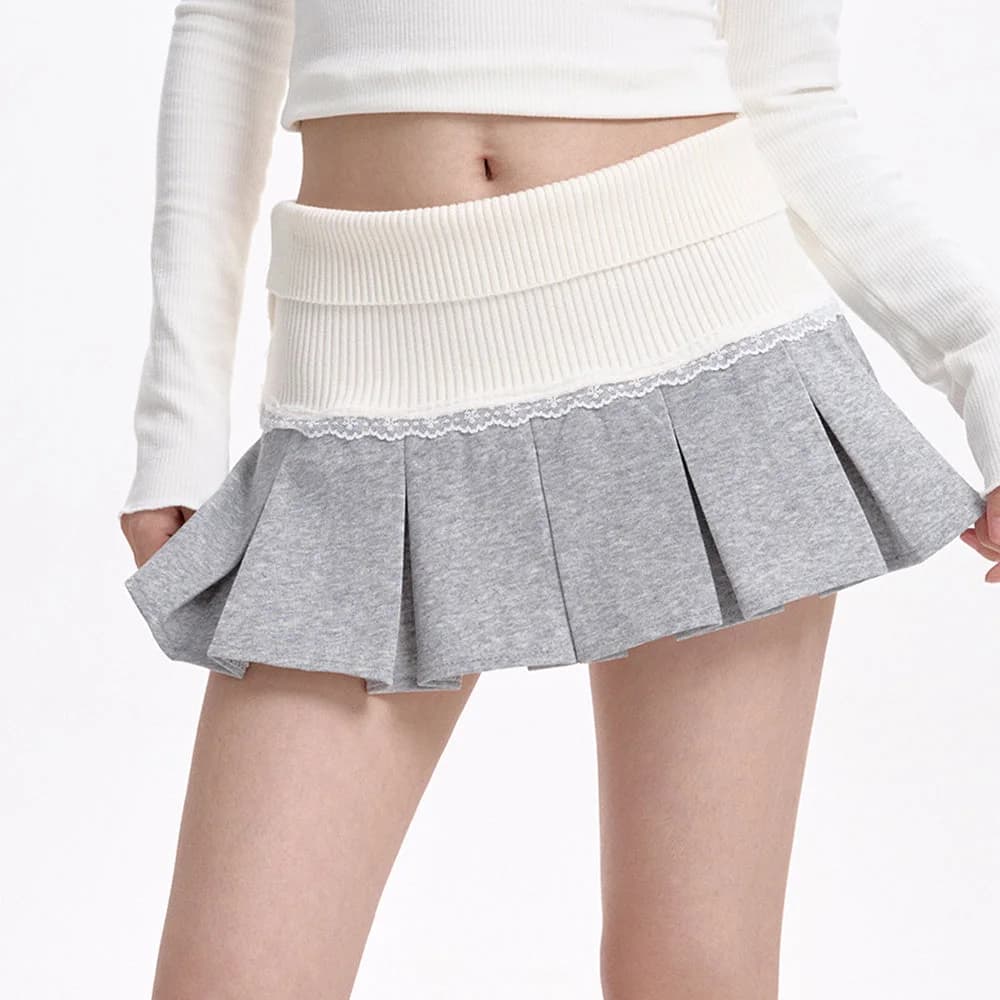
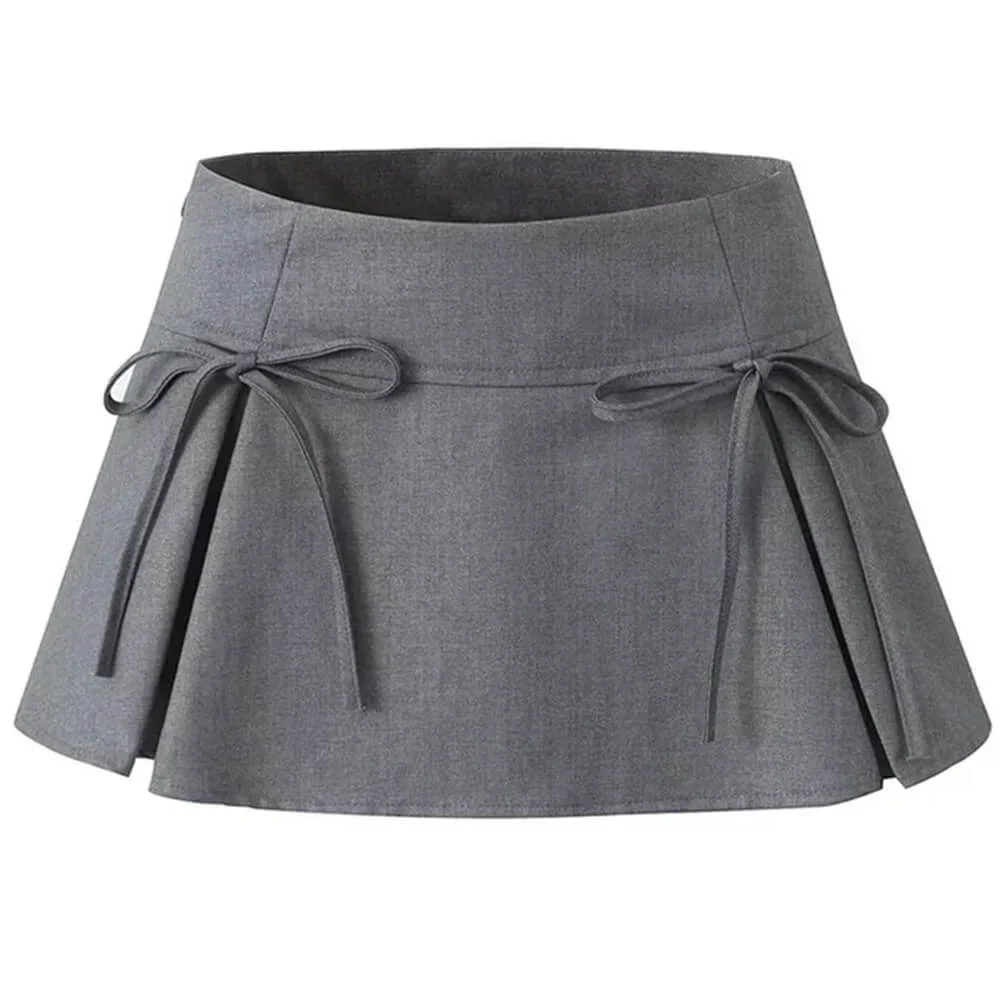
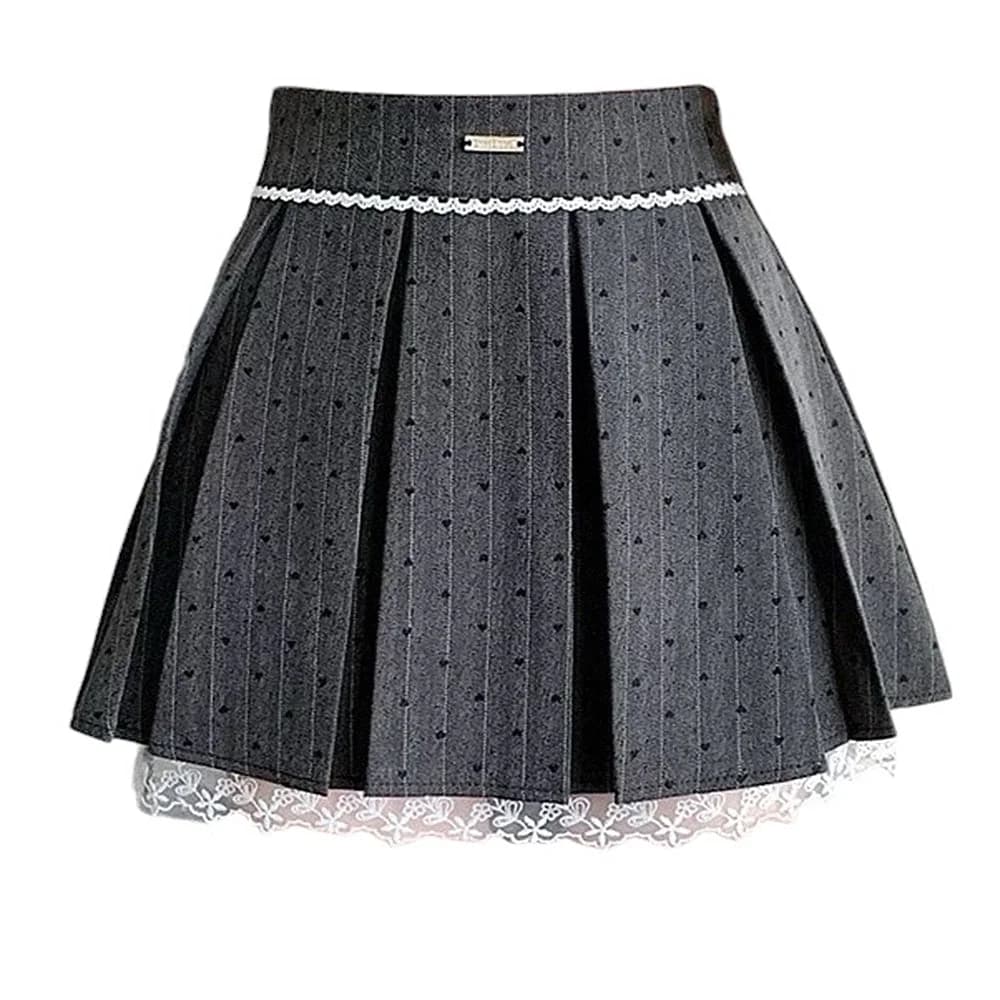

When browsing balletcore pleated skirts, your initial decision comes down to how the waist seam meets the fold structure. In dance-inspired fashion, the waistband shapes your entire profile, setting how flat the fabric lays before flaring outwards. Look closely at whether the item features a wide flat band or textured ribbing, as this changes both visual weight and drape.
The Soft Girl Ribbed Waist Pleated Mini Skirt demonstrates this variation clearly, blending cotton and polyester into a defined ribbed section that flows into crisp pleating. A textured panel acts visually like a modern rehearsal wrap, sitting snug against the midsection. Consider how ribbed waistbands create clean architectural transitions when paired with tucked garments.
Knife pleats produce uniform, directional shadows that read very structured and athletic. Box pleats, on the other hand, produce wider panels that swing outward with larger volume. Check whether the pleats are stitched down near the hips or released high up, which determines whether the silhouetteThe overall shape an outfit creates, from fitted to loose and layered. hugs the hip or flares directly below the ribcage.
Before finalizing a waistband style, check the listing details for closures. Knowing whether a piece pulls on or zips helps you gauge how to size it over your hips, preventing unwanted tension across the front pleat folds.
Finding an accurate fit in structured skirts requires precise numbers rather than generic label sizes. Sizing labels like S, M, and L differ broadly between cuts, especially when dealing with firm woven fabrics or non-stretch waistlines. Take a soft measuring tape and record your natural waist, high hip, and total skirt drop from waistband to hemline.
When measurement charts are provided on product pages, compare those figures directly to a well-fitting skirt already hanging in your closet. Place your personal skirt flat on a table, measuring straight across the waistband and multiplying by two. Match those measurements directly to the garment specifications to assess where the skirt edge will rest.
If specific dimensions are not listed for a style you want, ask customer support for flat garment measurements before ordering. Pleated panels cannot easily be let out without destroying fold symmetry. Ensure you have ample hip clearance so the pleats do not pull open when you sit.
Keep total length in mind if you plan to wear dance shorts underneath. A mini length demands sufficient coverage across your back stride, especially on active days. Free standard shipping on every order at checkout.
Length sets the operational mood for your ballet-inspired outfit, establishing how your legs and footwear interact. Shorter lengths draw heavily on studio warmup styles, nodding to vintage rehearsal skirts and school uniforms. These hems keep visual bulk minimal, making them suitable for layeringWearing pieces over or under one another to add depth, warmth or contrast. over thick knitwear and hosiery.
If you prefer higher hemlines, explore options within our dedicated Balletcore Mini Skirts selection to compare varying rises and drops. A higher hem lets you experiment with dramatic socks, legwarmers, and flat dance shoes without visual clutter. The balance remains agile, athletic, and easy to move around in throughout your daily routine.
Conversely, longer cuts from our wider Balletcore Skirts category lean toward traditional rehearsal attire, evoking practice tutus or romantic-era skirts. These shapes place the focus on fabric sweep and gentle hemline movement while walking. Selecting between these lengths depends mostly on the activities planned for your day.
Take into account the seasonal footwear you prefer. Shorter cuts leave maximum breathing room for stacked boots or knee-high socks, whereas longer hems work best when shoes have low profiles. Ensure your choice lets you maintain functional mobility through dynamic daytime movement without requiring constant fabric adjustments.
Traditional ballet palettes rely on soft, understated tones that mimic studio tights and leotards. Rather than saturated brights, skirts in this genre thrive in neutral grounds like grey, bright chalk white, ivory, and faint oat. Neutral bases make your skirt infinitely adaptable across different seasons and wardrobe aesthetics.
A grey and white scheme, like that of the Soft Girl skirt, acts as a bridge between sportswear and delicate femininity. You can wear grey skirts alongside chalky off-whites, creating depth without sharp color clashes. LayeringWearing pieces over or under one another to add depth, warmth or contrast. a pale pink, lilac, or powder blue sweater over a two-tone skirt softens the overall balance nicely.
If you want high contrast, black pieces anchor white pleats immediately, shifting the dance tone toward a sharper, modern edge. However, keeping the palette light preserves that delicate, practice-hall atmosphere. Try incorporating tonal knit separates from the Balletcore Clothes catalog to keep your colors light, airy, and softly balanced.
When purchasing multi-tonal skirts, examine the color distribution across panels. Light pleats inside darker folds create optical depth as you walk. Selecting neutral skirt colors ensures effortless cross-season color coordination with existing base layers and transitional cardigans in your closet.
Because pleated skirts flare naturally away from the body, your top half should generally stay streamlined to avoid overwhelming your silhouetteThe overall shape an outfit creates, from fitted to loose and layered.. Form-fitting bodysuits, cap-sleeve tees, and wrap-front shirts are ideal companions for wide folds. They keep the waist seam crisp, drawing attention directly to the structured gathers of the fabric.
Browse our curated Balletcore Tops to find wrap cardigans, square-neck leotard styles, and fitted camisoles that sit smoothly beneath high-rise bands. Tucking tops cleanly inside the waistband stops pleats from bunching, preserving the flat drape across your lower torso. This mirrors the neat silhouetteThe overall shape an outfit creates, from fitted to loose and layered. dancers wear in technique classes.
Cropped knits offer another practical path, stopping right above the waistline to emphasize the skirt's pleat flare. If you prefer looser cardigans, leave the bottom buttons undone so the sweater opens slightly over the hip, giving the pleats room to drape naturally without being squashed flat.
Pay close attention to fabric textures when styling. A smooth cotton-polyester skirt contrasts beautifully against cable-knit cardigans or brushed mohair knits. Finding contrast between structured pleats and tactile surface textures helps create depth without needing loud prints or excessive garment detailing.
Footwear and legwear define how authentic your ballet-inspired styling looks from top to toe. A pleated skirt provides the stage, while your lower legs establish the dance studio connection. Combining socks, tights, and flats transforms a simple skirt into an intentional, stylized daily outfit.
Browse the assortment of Balletcore Socks for ribbed options, lace-trimmed ruffles, or slouchy legwarmers that recreate dancers' warmup habits. Pushing scrunch socks down around the ankles balances the wide flare of mini pleats above, giving the lower leg structural grounding whether you wear sneakers or flats.
For shoes, low-profile Balletcore Shoes such as satin flats, mary janes, or soft leather slippers lean directly into studio tradition. Alternatively, wearing sporty Balletcore Sneakers introduces an active off-duty dancer aesthetic that handles extended walking comfortably. The skirt's tailored pleats adapt easily to both approaches.
Check that your sock cuff does not land awkwardly against the shoe rim. Crew-length white socks worn with flat shoes maintain clean proportions. Ensure that you match shoe bulk to the hemline width so your lower leg looks properly balanced against the swing of the skirt.
Accessories in balletcore should remain delicate, orderly, and light, reflecting the polished grooming required in dance studios. Heavy, chunky jewelry often clashes with the delicate precision of neat skirt pleats. Instead, select fine metal chains, freshwater pearls, and ribbon details that echo practice-room elegance.
Explore subtle metalwork within Balletcore Jewelry or browse refined Balletcore Necklaces featuring slender chokers, floating pearls, or tiny bow pendants. These accents catch light gently around the collarbone without competing with the structured silhouetteThe overall shape an outfit creates, from fitted to loose and layered. below your waist. Keep your hardware finishes matching throughout your pieces.
For your hair, disciplined yet soft updos complement high-waisted skirts. Secure your bun or half-up style using Balletcore Hair Clips finished with silk ribbons, tortoiseshell barrettes, or pearlescent finishes. A tidy hairstyle lengthens the neck, accentuating the clean, balanced proportions of pleated garments below.
Avoid overly complex accessories that snag on delicate pleated cotton or knit fabrics. Functional pieces like satin hair ribbons and simple stud earrings add grace while staying practical. Selecting minimalist hair accents preserves studio-inspired aesthetic proportions without complicating your everyday movement or styling routine.
Selecting the right undergarments under short pleated skirts makes a noticeable difference in how comfortably you move throughout the day. Because mini hems flare during brisk walking, built-in safety shorts or standalone seamless boy shorts prevent unexpected exposure without disturbing the pleat drape.
Check individual product pages to see whether a safety lining is already stitched inside the skirt. If the skirt is unlined, slip into fitted bike shorts or tone-on-tone dance briefs in white, beige, or grey to match the skirt's exterior palette.
Look for smooth, low-profile waistbands on your inner shorts so they do not create double ridges beneath a ribbed or fitted skirt waist. Seamless undergarments preserve crisp pleat movement while keeping your silhouetteThe overall shape an outfit creates, from fitted to loose and layered. clean and free of unnecessary friction.
Tights also affect fit; opaque microfiber tights create light grip against polyester linings, while slick sheer hosiery lets pleats glide freely. Pair your base layers based on how much natural skirt bounce and hip clearance you desire.
Pleated skirts made from blended materials like cotton and polyester require thoughtful upkeep to maintain their sharp architectural lines. Synthetic polyester helps fabric retain heat-pressed pleat shapes, while cotton adds softness. However, careless laundering can cause folds to soften, wrinkle, or lose their crisp definition prematurely.
Always review the sewn-in care label on your specific garment before washing, as cleaning directions vary across blended textiles. When machine washing is permitted, place the skirt inside a mesh laundry bag. This stops the pleats from twisting or catching on other garments, buttons, or metal zippers during spin cycles.
Hang the skirt to air dry directly from its waistband using clip hangers, smoothing each fold down flat with your fingers while the fabric remains damp. Never wring out pleated mini skirts by hand, as twisting stresses delicate side seams and can deform the fold alignment permanently.
If touch-ups are necessary, steam the skirt vertically rather than applying a hot flat iron directly to the pleats. If ironing is required, work fold by fold on a low setting. Learning to steam pleats vertically protects the original factory press and keeps your skirt ready for regular wear.