
+2

Kawaii Vibe · Your own kind of cute.
Himekaji
Explore practical advice for styling Himekaji pleated skirts, combining delicate lace trims, bows, and balanced silhouetteThe overall shape an outfit creates, from fitted to loose and layered.s for casual princess-inspired aesthetics. Learn how to verify garment measurements across woven fabrics, coordinate versatile color paletteA small group of colors you repeat to make an outfit feel connected.s like muted grey and cream, and layer light knitwear, tailored blouses, and Mary Janes effortlessly.
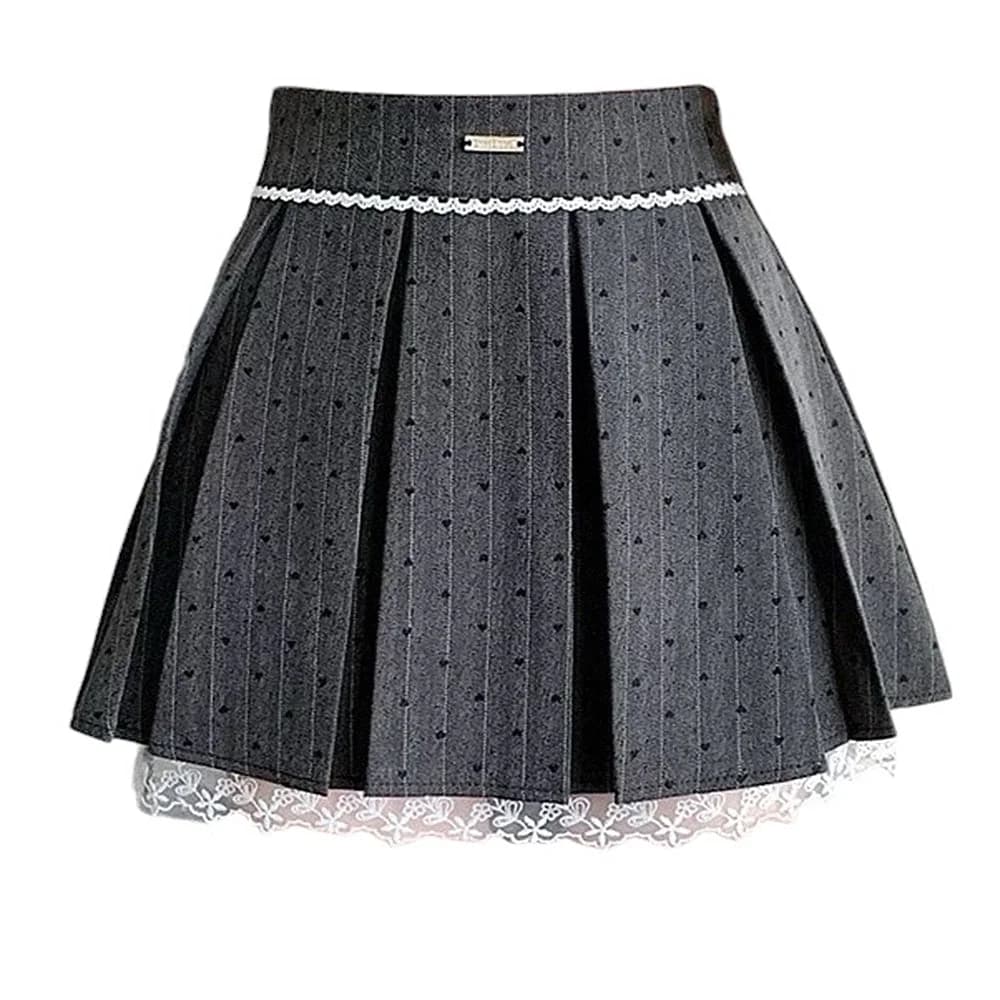
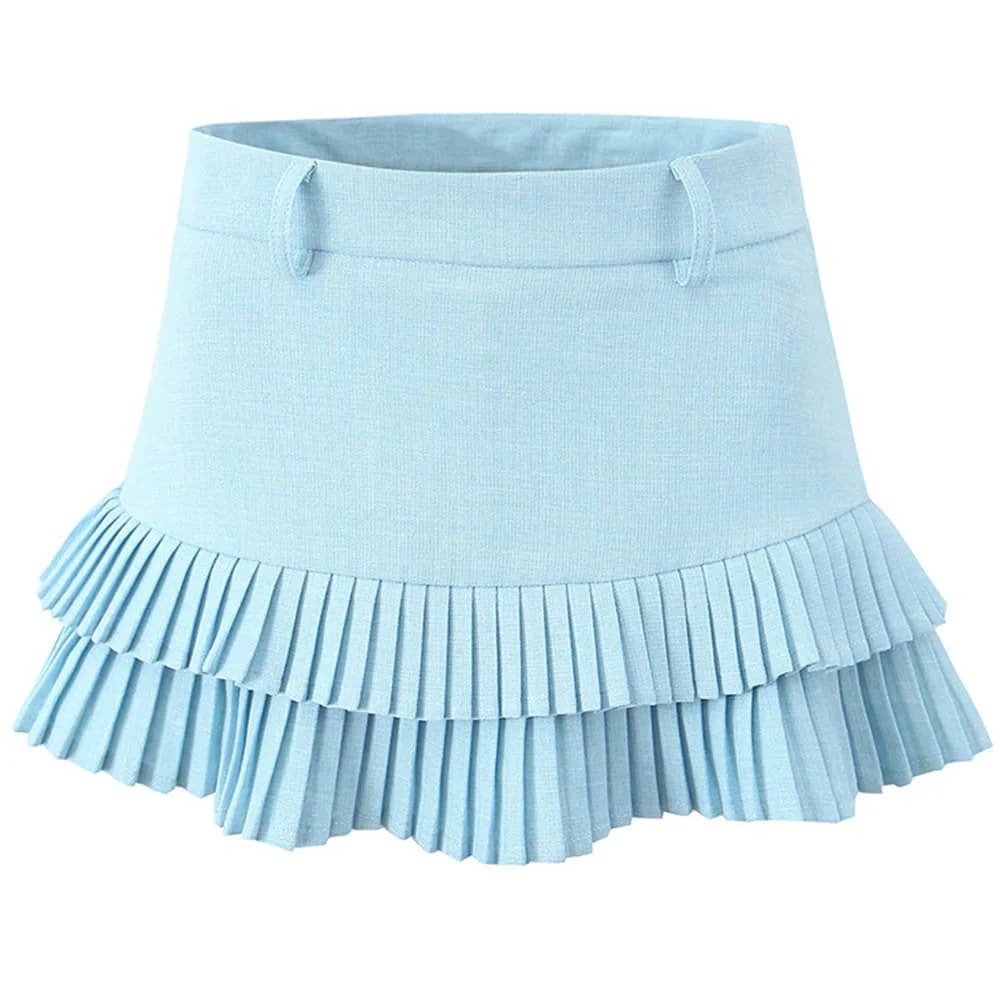
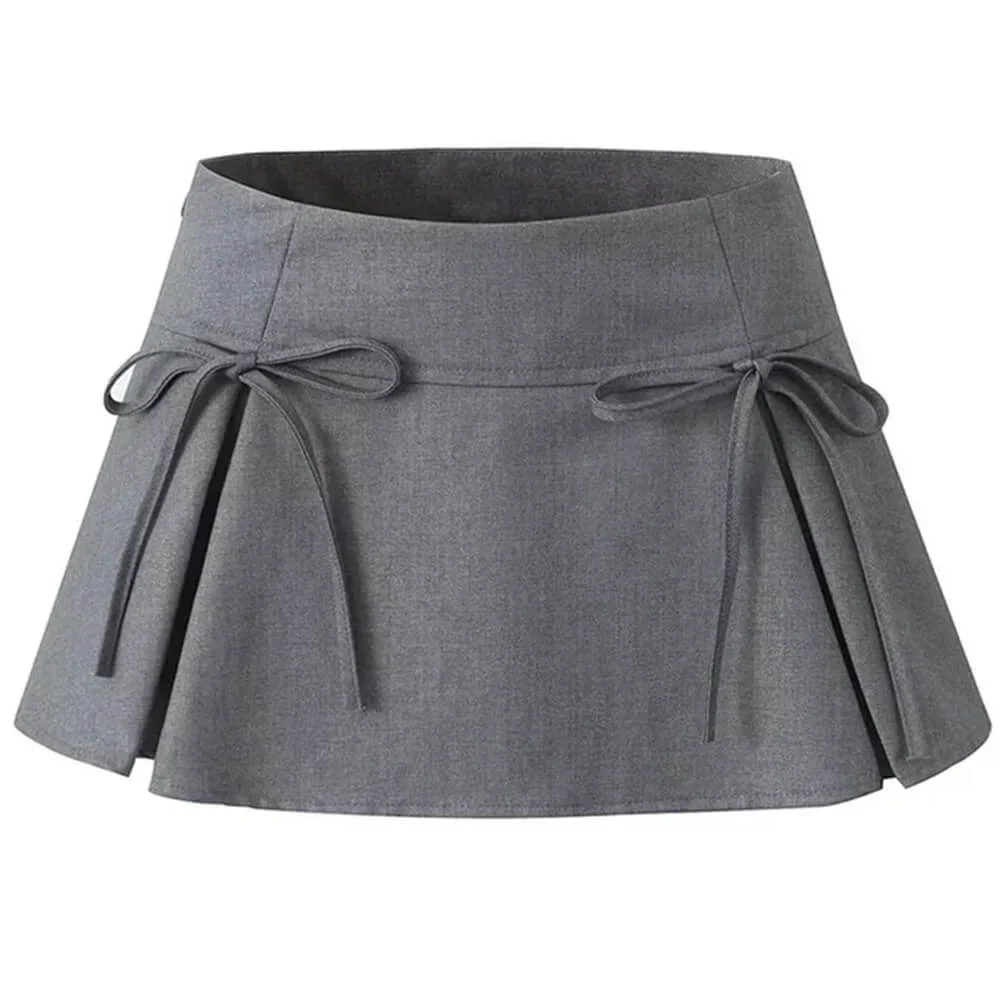

Your first practical decision when browsing Himekaji pleated skirts is deciding where you want the waistband to rest on your torso. High-rise waists sit firmly above the navel, which allows ruffled blouses to tuck cleanly without shifting throughout the day. Mid-rise bands sit closer to your hip bones, creating a slightly longer torso line that complements untucked camisoles or cropped outer layers.
Pleat geometry also shapes your final outfit silhouetteThe overall shape an outfit creates, from fitted to loose and layered. significantly. Knife pleats press flat in one direction, producing a crisp, uniform drop from waist to hem that suits structured daywear. Box pleats alternate folds to add gentle fullness around your lower half, giving your hem natural flare without needing an underlying petticoat.
Consider the overall balance between your top half and skirt details. Skirts with gathered waists expand sharply outward, requiring close-fitting knit tops to prevent an overly bulky appearance. In contrast, accordion pleats fall straight down with minimal bulk, making them effortless to pair with textured outerwear from our broader Himekaji clothes collection.
Always match your waistband rise to your intended top hems so fabrics lie smoothly. If you plan to layer thick knitwear, a mid-rise cut prevents fabric bunching at your ribs. For cropped knitwear or fitted bodysuits, a high-rise waistline offers a secure anchor that keeps your shirt tucked firmly during movement.
Color choice sets the mood for casual princess styling and determines how easily a skirt integrates with your current wardrobe. While soft pastel florals define classic romantic aesthetics, muted neutrals like dove grey, taupe, and fawn offer practical advantages. A grey base softens lace trims and bows, keeping decorative accents understated for campus, office, or casual outings.
If you opt for a skirt in a neutral tone, you gain wide flexibility with your upper layers. A grey pleated bottom balances vibrant knitwear, deep berry tones, or simple cream tees without clashing. It lets you integrate romantic motifs into daily wear without committing to an entirely pastel look.
When you select floral designs, identify the secondary print colors before picking matching tops. Soft roses against a cream backdrop pair naturally with cream knitwear or light pink blouses from our Himekaji tops section. Repeating one subtle petal tone in your top creates an intentional, balanced outfit.
Muted neutral skirts also ground delicate trims that might otherwise look overly festive. For instance, the Coquette Lace Bow Pleated Skirt uses a grey base to keep its lace and bow details refined. This neutral tone ensures the sweet trims remain versatile for diverse daily settings.
Do not rely solely on standard alpha size labels like S, M, or L when ordering skirts online. Instead, measure a well-fitting skirt from your own closet laid completely flat on a table. Measure across the narrowest point of the waistband and double the number to determine your required garment waist circumference.
Because woven materials like polyester and cotton blends do not stretch unless elastane is added, your measurements must be exact. Compare your flat numbers against the product's listed sizing details before purchasing. Some designs, such as the Coquette Lace Bow Pleated Skirt, come in sizes S, M, and L without a published size chart, making home flat measurements essential.
Hem length directly alters how your footwear and legwear frame your legs. A 38-centimetre mini skirt generally finishes at mid-thigh on an average frame, creating a leg-lengthening profile when worn with platform shoes. A 45-centimetre cut approaches the knee, offering greater rear coverage when sitting or walking up stairs.
Keep your personal posture and hip curve in mind during evaluation. Full hips lift pleated fabric slightly higher in the back than in the front. Check measurements against a skirt you already wear to ensure your chosen size provides the exact coverage and waist fit you prefer.
Pleated hems carry decorative weight, so your upper layers must be styled to maintain comfortable proportions. Fine-gauge button-down knits work exceptionally well because their smooth texture contrasts with pleated fabric folds. Tucking a thin knit completely into the waistband creates a continuous line that highlights the skirt's waist detailing.
Cropped outerwear offers an effortless way to preserve your waist definition without tucking heavy fabrics. A waist-length cardigan leaves the skirt's front pleats visible while providing light coverage over your arms and shoulders. Explore matching knits within our Himekaji cardigans assortment to find complementary neckline cuts and yarn weights.
Longer, relaxed outerwear creates a softer, looser daytime silhouetteThe overall shape an outfit creates, from fitted to loose and layered. often favoured in casual princess aesthetics. When wearing an unbuttoned knit that falls past your hips, leave your base top firmly tucked into the skirt. This keeps your natural waistline visible from the front while the cardigan drapes gently around your sides.
Be careful with fabric weights when pairing tops with skirts made of cotton and polyester blends. Heavy, dense wool sweaters can crush lightweight pleating around your hips, causing folds to flare awkwardly. Choose lightweight knit cardigans that finish at your waistband to let pleated skirts drape and move naturally.
Pleated skirts adapt easily between relaxed daytime errands and elevated weekend gatherings. For an informal afternoon, combine your skirt with a plain white or black cotton tee and flat canvas sneakers. This downplays decorative lace trims or bow embellishments, producing an approachable outfit suitable for coffee runs or study sessions.
When dressing for themed gatherings, tea parties, or photo outings, elevate the romantic styling cues. Pair your skirt with a chiffon blouse featuring Peter Pan collars, pintucks, or lace cuffs. Adding layers like petticoats or ruffled bloomers underneath creates dramatic hem volume reminiscent of classic Tokyo street fashion.
If your daytime plan requires extended walking, keep your layeringWearing pieces over or under one another to add depth, warmth or contrast. straightforward and avoid snag-prone fabrics. A tailored cotton button-down tucked into a grey pleated skirt produces a smart, tidy look suitable for semi-formal settings. You can review traditional styling variations in our Himekaji fashion guide for historical context.
For evening transitions, simply swap daytime cotton tops for fitted knitwear with scalloped necklines. The structured pleating maintains its crisp appearance through hours of wear, while fine knitwear adds polish. Adjusting your upper layer allows a single pleated skirt to handle varied occasions across your weekly calendar.
Footwear anchors your entire outfit and directly influences the perceived length of a pleated skirt. Chunky loafers and lug-sole oxfords provide modern visual weight that balances out delicate skirts with bows or lace trims. The thick rubber sole adds grounding contrast to airy polyester-cotton pleated fabrics.
For an authentic princess aesthetic, Mary Janes with rounded toes and buckle straps remain the classic choice. Low block heels lift your posture while keeping footsteps stable for full days on your feet. Browse coordinating footwear options within our Himekaji shoes catalog to find matching strap finishes.
Legwear plays an equally critical role in framing pleated hems. Crisp white crew socks with ruffled cuffs emphasize romantic themes, resting neatly below calf muscles. Sheer neutral tights or pointelle knit knee socks provide smooth leg lines during cooler transitional weather without adding unnecessary thickness around your ankles.
Avoid high-top athletic sneakers that cut your ankle line abruptly unless balanced by ankle socks folded downward. T-strap flats or low-profile shoes create an unbroken visual line from your skirt hem to your instep. Pair rounded-toe Mary Janes with ribbed crew socks to achieve authentic, well-balanced lower-body proportions.
Accessories should mirror the decorative motifs on your skirt without overwhelming your overall look. If your skirt features small ribbon bows at the waistband, incorporate matching ribbon accents into your hair. Satin hair ribbons or lace-trimmed barrettes from our Himekaji hair accessories collection help unite your head-to-toe styling.
Handbag selection requires careful attention to strap placement and hardware design. A crossbody bag with rough canvas straps or large metal studs can catch against pleated fabrics, causing snags or crushing folds. Smooth faux-leather shoulder bags or top-handle satchels carry your essentials cleanly away from fragile pleat lines.
Scale your bag size to the proportions of your outfit. Petite mini bags or structured vanity cases complement short, flared skirts far better than oversized carryalls. Explore practical purse shapes within our Himekaji bags catalog to find compact pieces with ribbon or pearl details.
When coordinating jewelry, opt for delicate pieces that do not compete with decorative skirt features. Small pearl drops or thin chains add gentle shine without visual clutter. Coordinate hair ribbon textures with skirt bow accents to build a deliberate, harmonious outfit from head to hem.
While pleated skirts offer timeless charm, experimenting with alternative silhouetteThe overall shape an outfit creates, from fitted to loose and layered.s helps you tailor your wardrobe to specific activities. For windy days, active outings, or bike rides, skorts and shorts provide greater coverage while maintaining feminine detailing. You can explore practical alternatives in our curated Himekaji shorts selection.
A-line floral skirts without pleats provide a softer, fluid drape that lies closer to your natural hip line. These cuts suit lightweight fabrics that flow with your stride, avoiding the structured pressing required by sharp knife pleats. Review varying cuts across our complete range of Himekaji skirts.
When you want an entire outfit in a single piece, one-piece dresses remove the need to coordinate separate tops and bottoms. Dresses ensure your waistline, prints, and decorative necklines are balanced from the start. You can examine complete one-piece silhouetteThe overall shape an outfit creates, from fitted to loose and layered.s within our dedicated Himekaji dresses collection.
Pleated skirts remain unique for their mix-and-match versatility across every season. They let you freely change knitwear, blouses, and outerwear to reflect changing weather. Your order total is shown in your selected currency before payment.
Caring for pleated garments requires attention to fabric composition and decorative elements. Skirts crafted from polyester and cotton blends often include delicate lace trims or attached ribbon bows that can fray or snag during aggressive wash cycles. Always inspect the inner care label on each individual garment before laundering.
To protect structural pleats and intricate lace borders, place the skirt inside a mesh laundry wash bag before machine cleaning. Opt for a gentle cycle using cool water and mild detergent. Hot water can soften heat-set pleats in synthetic fibers, causing the crisp edges to relax or lose their shape prematurely.
Avoid machine tumble drying, as mechanical heat and tumbling can crush pressed folds and warp bow ribbons. Instead, reshape the waistband flat and hang the skirt by its internal hanger loops to air dry in the shade. Allowing gravity to pull the damp pleats straight preserves their sharp folds naturally without requiring intense iron heat.
If touch-ups are necessary around the lace or waistband, use a handheld fabric steamer on a low setting or press lightly using a clean cotton pressing cloth. Never drag a hot bare iron directly across lace borders, as direct heat can singe synthetic fibers or crush delicate embroidery.