Created by the Kawaii Vibe editorial team. Our named style desks are editorial personas. Product details and availability can change.
Angura kei is a Japanese street style that takes vintage, kimono-inspired shapes and gives them a darker, stranger, more theatrical edge. If you want the quick version of the look: pick one wrap or kimono-style piece, keep the base mostly black or deep neutral, add one bright accent like red, and finish with boots and a few small hair accessories. That's it. You don't need a full kimono to get there.
The name comes from the Japanese word for underground theater, and the style is usually described as a branch of visual kei. It's moody, a little old-fashioned, and deliberately off-kilter. It can be elegant and unsettling in the same outfit. That's the fun of it.
This guide is for everyday dressing. We'll cover what makes the style distinct, how to build outfits for different weather, how to size things sensibly, and what to skip. Think of it as a practical starting point, not a rulebook. People in this scene have plenty of personal takes, and you're allowed to have yours.
The short answer: what Angura kei actually looks like
Angura kei blends traditional Japanese clothing ideas with dark, theatrical styling. The big visual cues are wrap fronts, wide sleeves, sash-like belts, and a mood that feels vintage and slightly shadowy. Black and deep grey are common bases. Reds, blues, yellows, violets and greens can show up as accents.
The style often gets compared to visual kei because the two share a love of drama. The difference is the kimono influence. In Angura kei, that influence is the point. Some people also work in school-uniform ideas instead, using pleated skirts, sailor-style details or collared layers with the same moody finish.
If you like a clean test, ask yourself two things. Does the outfit have a traditional-leaning shape somewhere? Does it feel darker or stranger than a normal vintage look? If both answers are yes, you're in the right neighborhood.
The details that make it feel different
Plenty of dark styles use black and boots. What sets Angura kei apart is how the pieces are shaped. Look for a wrap neckline, long hanging sleeves, a wide belt that acts like an obi, and a layered, slightly crowded feel. The outfit usually has a clear focal point, often the waist or sleeves.
Then comes the twist. A traditional sash might become a belt with straps or studs. A kimono-like top might sit over a plain black skirt or trousers. A school-uniform shape might get a darker palette and heavier shoes. You're taking something familiar and bending it.
Color also matters. Black is common, but the style isn't limited to it. Some bands associated with it used brighter palettes. A single saturated accent, like a red belt or a violet scarf, can make the whole look more interesting than head-to-toe black.
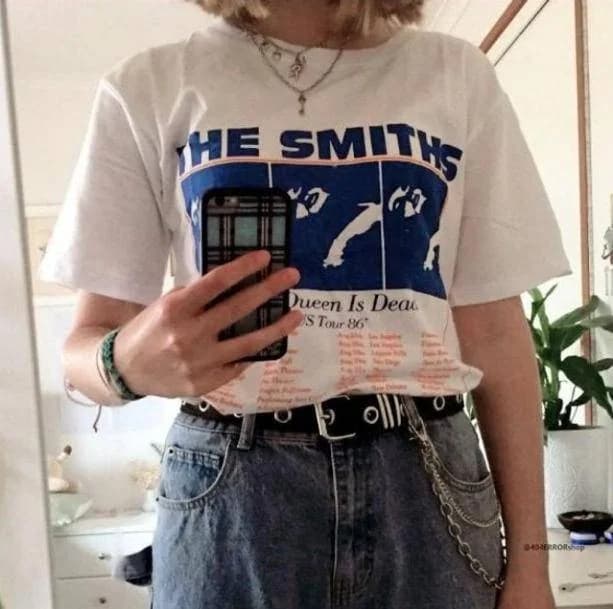
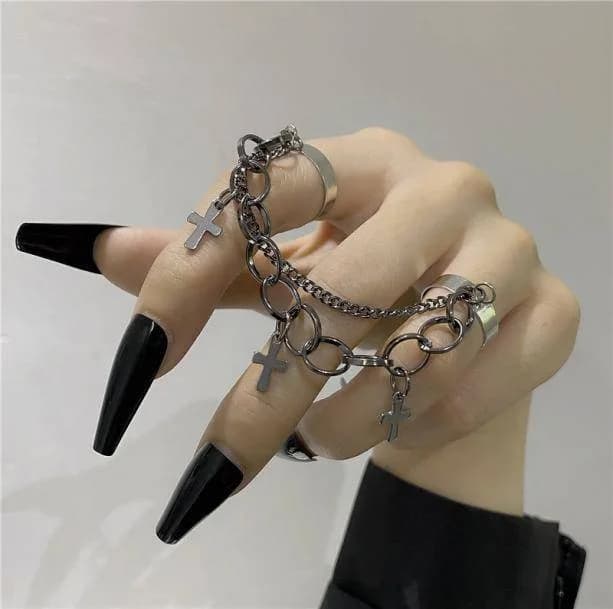
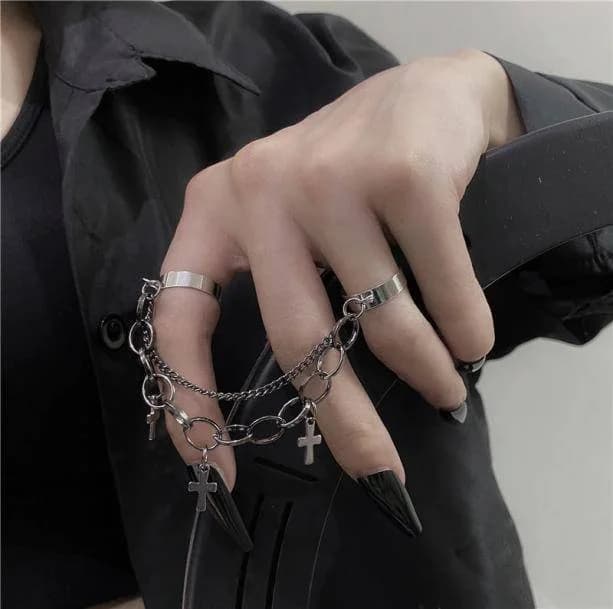
When personalizing wrap shapes, hardware creates a clean contrast against dark fabrics. Fastening a metallic accent across dark sashes or waistband loops provides an industrial edge. You can pair layered pieces from angura kei jewelry or clip on the Butterfly Belt Chain, available in gold or silver tones, to add visual interest to monochrome tunics without interfering with wide sleeves.
- Wrap ffronts and wide sleeves are the easiest nods to kimono shapes.
- A wide belt or sash gives the waist a clear focus.
- Dark base colors with one loud accent keep it readable.
- Boots or platforms ground the whole outfit.
Angura kei vs. eroguro, visual kei and goth
These labels overlap, which is why people mix them up. Visual kei is the wider umbrella, known for dramatic hair, makeup and costume-like dressing. Angura kei sits under it with that traditional-clothing twist. Eroguro is another visual kei branch that's sometimes confused with Angura because both can be dark. They aren't the same thing, and you don't need eroguro themes to wear Angura kei.
If you're shopping online and the labels feel blurry, use your eyes. Is there a wrap, a sash, a wide sleeve? Great. If it's just black and spikes, it's probably something nearby, which is fine, but it's not the same look.
Goth is a separate tradition. A goth outfit might use lace, velvet and crosses without any kimono reference at all. Angura kei could borrow a gothic touch, but its anchor is still that Japanese-inspired shape.
Build your first outfit from one anchor piece
Start with one anchor and keep everything else simple. This stops the outfit from turning into a pile of ideas. Your anchor could be a wrap top, a long-sleeved kimono-style jacket, or a sash-style belt.
Here's a starter formula. Wear a black wrap-front top or jacket. Add straight black trousers or a plain midi skirt. Cinch the waist with a wide belt in deep red. Finish with chunky boots and one hair accessory. The wrap and belt tell the story. The plain bottom gives your eye somewhere to rest.
Why it works: you've got one shape that nods to tradition, one color that pops, and one grounding element. Anything beyond that is bonus. You can always add a studded cuff or a scarf later once you see how the base feels on you.
If your main focal garment is an all-black kimono cardigan or wrap top, the waistline benefits from clear definition. You can explore options in angura kei belts to cinch loose silhouetteThe overall shape an outfit creates, from fitted to loose and layered.s. Securing the midsection with a dedicated band keeps sweeping hems organized, providing balance against oversized sleeves and layered skirts.
Cool-weather and cold-weather outfits
Angura kei suits layers, so colder months are friendly territory. For a cool day, try a long-sleeved black base layer under a wrap jacket, with wide-leg trousers and boots. The wide sleeves of the jacket fit over the slimmer sleeves underneath without bunching.
For a properly cold day, add a long coat that's roomier than your outer layer. Tight coats crush wide sleeves, and that ruins the shape. If you wear a belt over the jacket, cinch it over the coat instead and let the sleeves peek out below the coat cuff if they're long enough.
Comfort tip: keep the inner layers smooth. Thin knits or plain cotton-feel tops slide better under sleeves than bulky sweaters. If you want a cozy relaxed piece for the days you're off-duty, a hooded sweatshirt like the All We Need Is Love Hoodie can work as a casual layer under a long open coat. It's polyester and comes in S to 4XL, so check the size chart before you commit. Keep the rest dark and the accent small.

Warm-weather outfits that still feel the part
Heat is the hardest test. Heavy black layers and wide sleeves can feel like a lot. The trick is to keep the shapes and lighten the load.
Try a short-sleeved or sleeveless black top with a wrap neckline, a lightweight midi skirt, and sandals or low platforms if boots feel like too much. Add a sash-style belt and a hair accessory. You keep the wrap and the waist focus, which is most of the look.
You can also swap black for a deep color. Wine red, ink blue or dark green read moodier than pastel but feel less heavy in sunlight. If you want something with a bit of shine for a night out, a piece like the High Fashion Silver Top is polyester and comes in S, M and L. It's a different mood from classic Angura kei, so treat it as a contrast layer under a dark open wrap, not as the main event.
Boots, platforms and other shoe choices
Shoes do a lot of work here. Traditional wooden sandals aren't the usual choice in this style. Leather-look boots are far more common, and for shorter hemlines, knee-high or taller boots fill the gap neatly.
If you're going with a school-uniform angle, platforms or studded Mary Janes are good matches. They keep the sweet, schoolish shape but add weight.
Walking matters. A platform you can't stand in all day won't help your outfit. Pick a sole with a bit of grip and a heel height you've already tested in your own shoes. Break boots in before a long day out. And if you're wearing a long, wide hem, make sure your shoes won't catch it on stairs.
Footwear grounds the lower half of an outfit, especially when managing long coats or layered hems. Choosing chunky footwear from angura kei boots keeps flowing trousers clear of the floor. When styling cropped hakama or shorter skirts, consider pairing your shoes with solid or textured layers from angura kei tights to preserve a continuous dark silhouetteThe overall shape an outfit creates, from fitted to loose and layered..

Hair, makeup and small accessories
You can keep this part as light or as bold as you like. In the classic version, makeup is dark and eye-focused, with sharp liner, defined brows and a pale matte base. Some looks use white face makeup inspired by kabuki. That's a bigger commitment, and totally optional for everyday wear.
Hair is where small touches go a long way. Traditional hair ornaments called kanzashi, including pins, fabric flowers and ribbons, can be added to a bun or half-up style. Black hair with a streak of red or blue is common. If you don't want to dye anything, a ribbon or hairpin in your accent color does the same job.
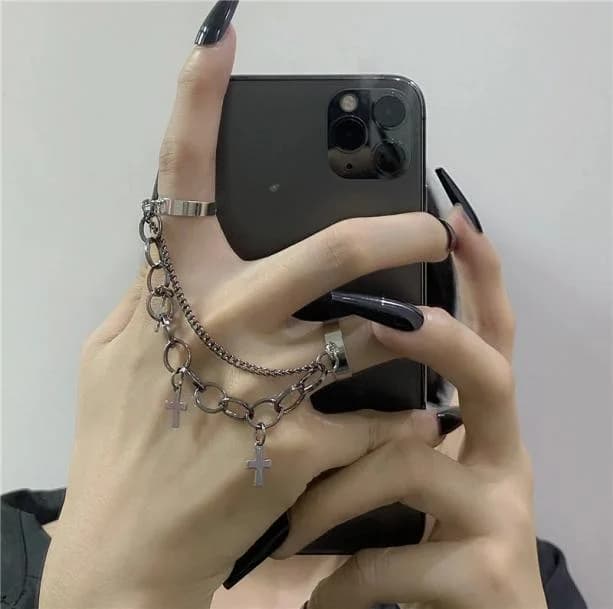
For everyday carry, accessories are an easy place to play. A phone case or earbud case can echo the outfit's mood without adding bulk. The You Need To Be iPhone Case fits iPhone 11 through 14 models, including Pro and Pro Max versions. The All You Need Is Love AirPods Case is available for AirPods 1/2, Pro and 3. Confirm your exact model before ordering.
Functional accessories can reinforce your styling palette without cluttering your outfit. You can explore versatile additions from angura kei accessories to hold daily essentials. For example, the one-size 90s Chain Bag comes in classic black, white, and brown, as well as bright purple, yellow, green, and blue, making it easy to introduce a targeted pop of color.
Fit and measurement guidance
Wrap and kimono-inspired pieces behave differently from standard tops. The sleeves are wide, the front overlaps, and the waist is often tied. That means you need to check more than your usual size.
Measure your bust, waist and hips, and compare them to the retailer's size chart for each item. Measure your arm length from shoulder to wrist too. Wide sleeves can look sloppy if they're too long and awkward if they're too short. Also think about layeringWearing pieces over or under one another to add depth, warmth or contrast.. If you plan to wear a thick sweater underneath, you may need more room than the chart suggests for a base layer alone.
Sizes vary by item, and no chart guarantees a perfect fit on every body. Some products, like the hoodie, come in a broad range, while others, like the silver top, have a narrower one. Read each product page, check the measurements, and choose the size that matches how you want to wear it, snug or loose. If you're between sizes, think about the layers you'll add.

Pitfalls to avoid
The first mistake is going costume-heavy on day one. Full kimono, white face paint, tall hair and boots all at once can be a lot, and it can hide the interesting parts of the style. Start with one strong piece and build.
The second is treating the look as pure decoration. Traditional clothing has cultural roots, so be thoughtful. Use the shapes as inspiration, learn what pieces are called, and avoid turning them into a joke or a stereotype.
The third is cost. Real traditional clothing can be pricey, and altered versions can cost even more. You don't have to buy any of that. Kimono-inspired jackets, wrap tops and belts can capture the mood at a friendlier price.
The fourth is forgetting comfort. If you can't lift your arms, sit down or climb stairs, the outfit won't last the day. Choose sleeves you can handle and belts you can loosen.
- Don't pile on every element at once.
- Respect the source clothing and skip caricature.
- Pick inspired pieces if budget matters.
- Test movement before leaving the house.
Where to look for nearby styles and pieces
Angura kei is niche, so you may need to mix and match from related styles. For general moody layeringWearing pieces over or under one another to add depth, warmth or contrast. ideas, browse Aesthetic Clothing. For bold street-style energy, the Harajuku & Kawaii collection has playful pieces you can tone down with darker items.
If you like the dark, soft crossover, Pastel Goth can offer ideas for pairing black with a gentle accent. For a bookish, moody mood, Dark Academia pairs well with long layers and boots. If you want a softer contrast to your darker wardrobe, Cottagecore and Soft Girl have gentler shapes that can sit under a wrap jacket.
For shinier or more modern contrasts, try Y2K Clothing or the main Y2K collection. Keep in mind these aren't Angura kei on their own. They're pieces you can borrow from when you want to mix. Choose one item at a time and see how it plays with your dark base.
Quick FAQs
Do I need a real kimono? No. Many people use kimono-inspired jackets, wrap tops, sleeves or sash-style belts instead. A full kimono is a bigger choice and a bigger cost.
Is Angura kei only black? No. Black and dark grey are common, but red, blue, yellow, violet and green can appear as accents or as main colors.
Can I wear it every day? You can, but some people see it as more of an occasion look. A toned-down version with a wrap top, boots and one accessory is easier for daily wear.
Do I have to do the hair and makeup? No. Clothes alone can carry the style. Hair accessories and darker makeup add to it, but they're optional.
Is it the same as goth? No. They can overlap in mood, but Angura kei is rooted in the traditional-clothing twist, while goth has its own separate references.
How do I start cheaply? Pick one wrap-style top or jacket, wear it with black basics you already own, and add a colorful belt or hair ribbon. You'll learn quickly what feels like you.