
Created by the Kawaii Vibe editorial team. Our named style desks are editorial personas. Product details and availability can change.
Mori kei is a soft, layered Japanese style built around loose shapes, natural fabrics, and muted earthy colors. The idea is that you look like you wandered out of a quiet forest cottage. The quick formula is one loose base piece, one or two layers over it, an earthy palette, flat or sturdy shoes, and a few small handmade-looking details.
I write from a grunge, punk, gothic, and skate-leaning corner of the closet, so I come at this style sideways. That's useful. Mori kei isn't about costume. It's about comfort, texture, and looking a little lost in the best way. You can wear it with scuffed boots and a battered tote. It still works.
This guide covers where the style came from, what to wear, how to size loose clothes, and outfit combos for hot, cool, cold, and rainy days. It also covers the mistakes that make the look fall flat, and a short FAQ at the end.
The Short Answer: What Mori Kei Actually Is
Mori means forest in Japanese, and kei means style or type. Put together, you get forest style. The look is gentle and unfussy. Think soft layers, relaxed proportions, and colors you'd find on a woodland floor: oatmeal, moss, bark brown, faded rust, cream, dusty olive, and washed-out blue.
Here's the basic recipe. Start with something loose, like a straight dress, a gathered skirt, or a roomy shirt. Add a knit or a jacket on top. Then add one more texture, such as a scarf, a shawl, or a crocheted vest. Finish with simple shoes and one or two small accessories.
If you want a quick test, ask yourself three things. Could you sit on the ground in this? Could you walk a long way in it? Does it look soft from ten feet away? If you said yes to all three, you're in mori territory.
What sets it apart from other cozy styles is the lack of polish. A mori outfit looks lived-in. Hems can be uneven. Knits can be a bit slouchy. Nothing should look tight, stiff, or brand-new and shiny.
Where the Style Came From
Mori kei grew out of Japan's street fashion scene in the 2000s. It began with an online community on Mixi, a Japanese social network, where people shared outfits that felt calm, natural, and a bit storybook. The term mori girl spread from there, and the look showed up around Harajuku, though it was never as loud as the neon, frilly, or highly styled scenes nearby.
The style grew into magazines, small brands, and a loose set of rules about what a mori girl wears. Those rules were always flexible, and plenty of people who wore the look didn't follow them closely. That's worth remembering. There's no official checklist, so don't let anyone tell you that you're doing it wrong because your cardigan is the wrong green.
Its popularity faded in Japan over the following years, and many of the original brands and blogs went quiet. But the ideas never vanished. You can still see them today in layered thrift outfits, cottage-inspired shopping hauls, and anyone who prefers a slouchy knit to a bodycon dress.
If you like Japanese street style generally, our Harajuku and kawaii collection shows how wide that world is. Mori kei sits at the quieter end of it.
The Building Blocks: Pieces, Fabrics, and Colors
Mori outfits are made from a small set of pieces worn in different combinations. You don't need a huge wardrobe. A handful of the right items goes a long way.
The core pieces to look for:
When assembling an outfit from scratch, starting with reliable separates helps simplify your choices. Reviewing dedicated mori kei skirts or mori kei dresses gives you lower layers that pair naturally with outerwear. You can select an earthy tone or floral print as your base, then add buttoned knits or vests on top to create depth across different lengths.
- Dresses and skirts that skim the body instead of clinging. Mid-calf to ankle lengths are common, but knee length works too.
- Blouses and shirts with loose sleeves, gathered cuffs, or a soft collar.
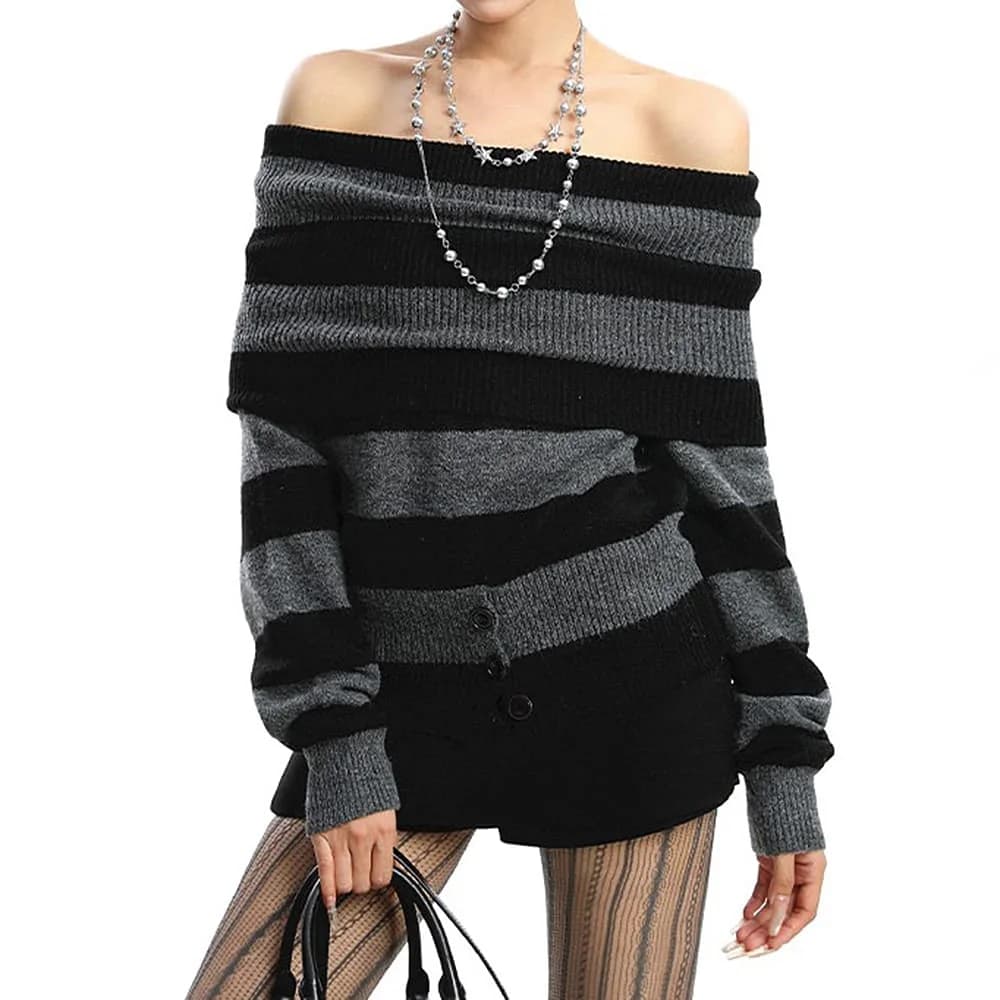
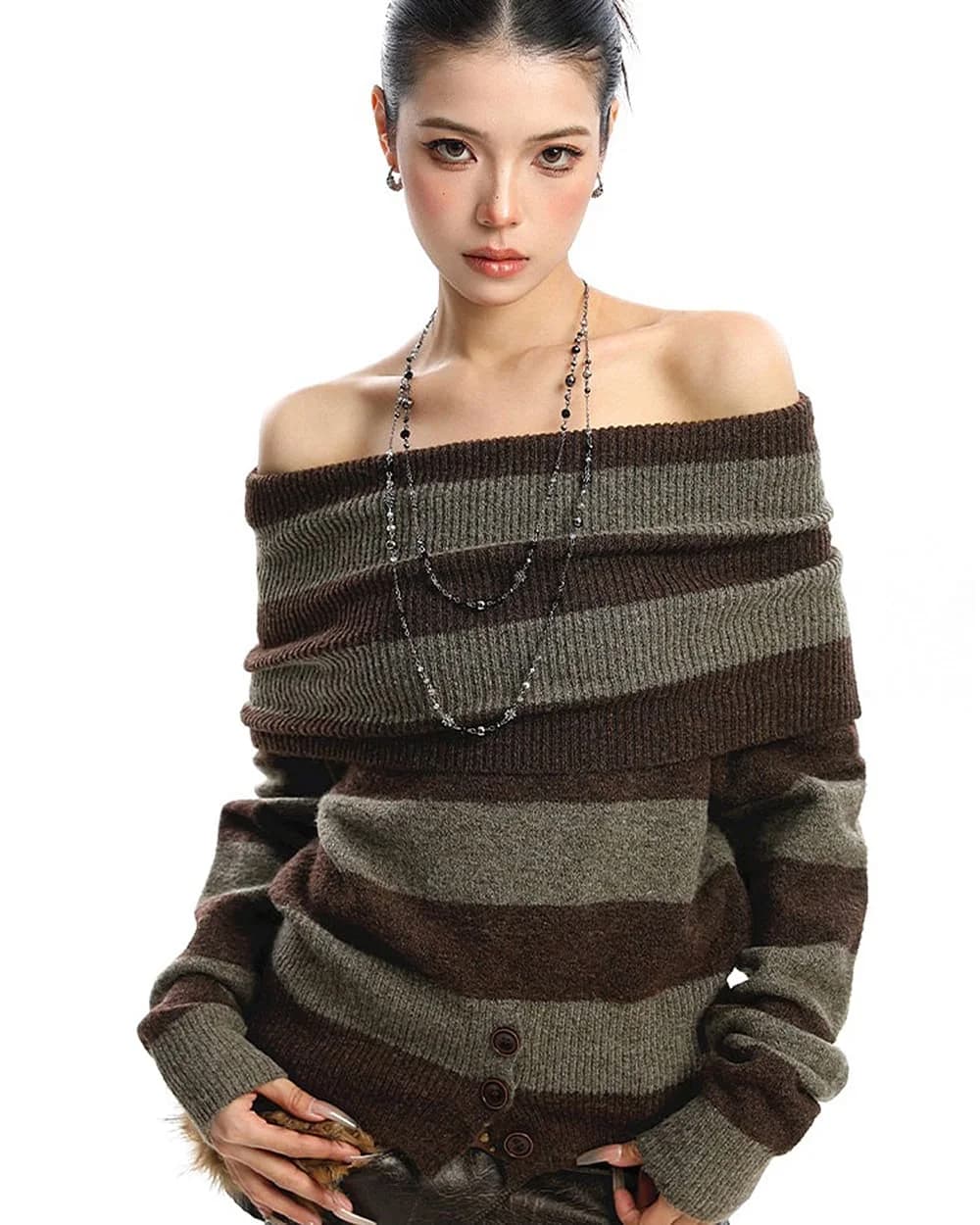
- Chunky or slouchy knits, like cardigans, sweaters, and vests.
- Wide-leg or baggy trousers, if skirts aren't your thing.
- Scarves, shawls, and long cardigans that add a third layer.
- Flat boots, lace-ups, Mary Janes, or plain sandals.
Fabrics and Colors That Make It Look Right
Texture does most of the work here. Cotton, linen, wool, knits, crochet, and lace are the classics. When you shop, look at the fabric description and pick things that look matte and soft rather than glossy. If a listing doesn't say what something is made from, check the product page before you buy.
For color, stay in the earthy family. Cream, beige, tan, olive, brown, mustard, rust, and muted green are safe. Faded pink and dusty blue can work if they look washed instead of bright.
A good rule is to pick two main colors and one accent. For example, oatmeal and moss, plus a rust scarf. If you want help sorting your palette, our aesthetic clothing collection is a handy place to compare different color moods before you commit.
Layering and Fit: How to Go Loose Without Drowning
Loose doesn't mean shapeless. The mori look has volume, but it still has a plan. The trick is to make one area roomy and let another area give you a visual anchor.
Say you're wearing a big knit. Pair it with a skirt that falls straight, not another huge shape. Or if you wear a wide skirt, choose a shorter, boxy top. A belt, apron-style tie, or tucked-in hem can mark your waist loosely if you want that.
LayeringWearing pieces over or under one another to add depth, warmth or contrast. order matters too. Try this: a thin base such as a tee or slip, a mid-layer such as a shirt or dress, and an outer piece such as a cardigan, vest, or shawl. Make each layer a different length. The hem of a dress peeking under a sweater, with a longer cardigan over both, looks deliberate.
How to measure for roomy fits:
To balance loose proportions, you might pair an oversized top with the Vintage Floral Maxi Skirts. Available in Red and Yellow across sizes S, M, and L, this floral silhouetteThe overall shape an outfit creates, from fitted to loose and layered. works well underneath bulky tops. Comparing length measurements against a skirt you already own helps you choose a size that rests at the right point on your ankles.
- Measure your chest or bust, waist, hips, and shoulder width with a soft tape. Write them down.
- Compare them to the retailer's size chart, not just the letter on the tag. Sizing differs from item to item.
- For an oversized look, check the garment's own flat measurements if listed. You want a few inches of extra room in the chest and hips.
- Check sleeve and total length. Long sleeves that cover half your hand can look cute. Sleeves that stop your arms from moving won't.
- If you're between sizes and want a relaxed fit, many people size up, but always check the chart for that exact piece. Fit can't be guaranteed from a size letter alone.
Outfit Ideas for Different Weather
Here are real combinations you can build, sorted by temperature. Each one follows the same layered logic, so you can swap pieces you already own.
Hot and sticky: Start with a loose cotton or linen-style sundress in cream or sage. Add a thin open shirt over it, left unbuttoned, in a slightly darker shade. Wear flat sandals or low canvas sneakers and carry a woven or canvas bag. Why it works: the airy dress keeps you cool, and the open shirt gives the layered look without heat. Roll the sleeves up to keep it casual.
Mild and breezy: Try a gathered midi skirt in brown or rust with a plain tucked-in tee. Add a long, slouchy cardigan in oatmeal, open. Finish with ankle boots and chunky socks showing at the top. Why it works: the skirt gives movement, the cardigan adds length, and the socks add a small texture surprise.
Cool and cloudy: Wear wide-leg trousers in olive or tan with a collared shirt and a knit vest over it. Add a scarf tied loosely and lace-up boots. This is a good option if you'd rather skip skirts. The vest breaks up the shape, so the outfit reads as layered rather than just baggy.
Cold: Build up from a thermal or snug base layer under a long dress. Add a thick sweater over the dress, then a wool-style coat or big shawl. Wear tights, socks, and sturdy boots. Why it works: the dress hem still shows below the sweater, so you get the layered shape and real warmth.
Rainy: Pair a dark green or brown dress with a knit and a water-resistant jacket in a muted tone. Add waterproof boots. Mori is happy in drizzle, so lean into it. Keep trailing hems at ankle length or shorter so they don't soak through.
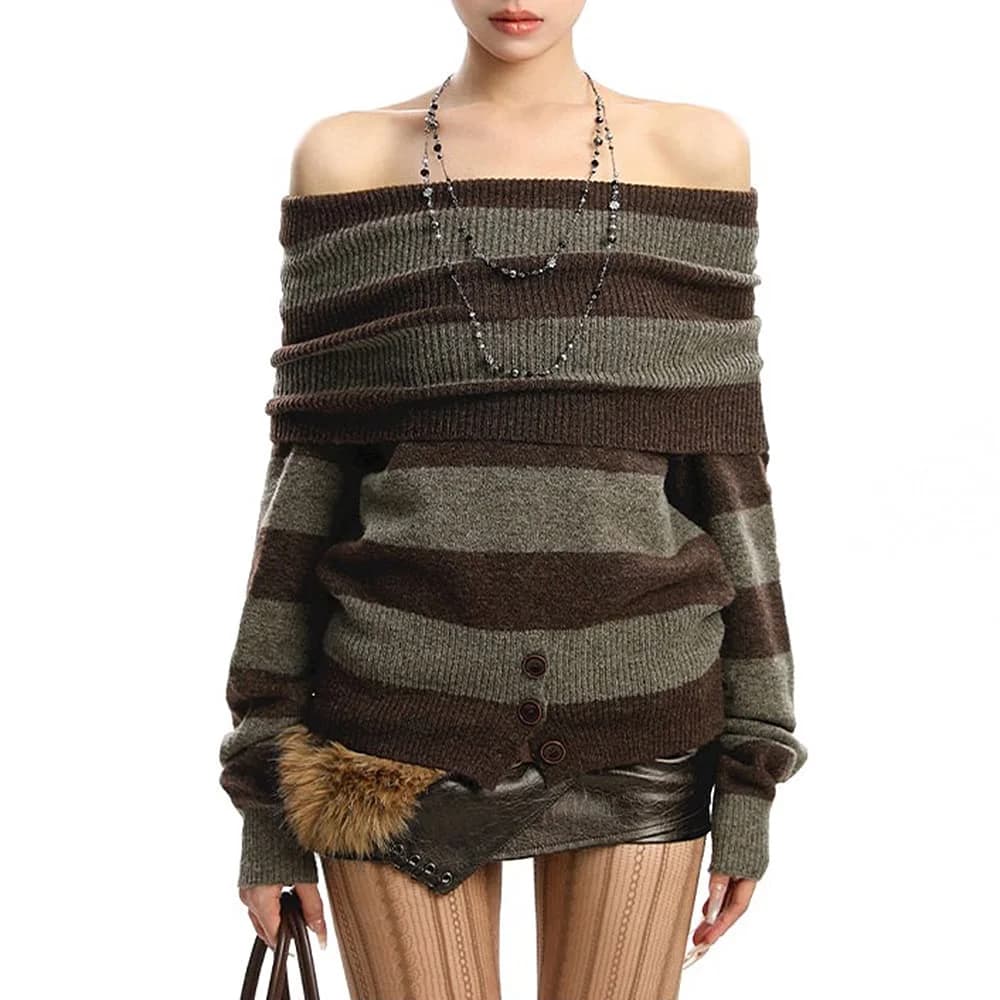
For mild weather, the Playful Kitten Brown Long Sleeve Top in sizes S through XL provides a neutral option that coordinates easily with deeper woodland shades. You can pair this brown top with a pinafore dress or tuck it into wide trousers. Refer to its size chart to select the best chest and shoulder measurements for your preferred outfit.
Comfort Preferences: Pick Your Own Version
Not everyone wants to wear a long dress and a shawl. The nice thing is that mori kei flexes around what feels good on your body. Choose the version that matches how you like to move.
If you hate skirts: Stick to wide trousers, a loose button-up, and a long knit vest. You get all the layered softness with more freedom to move, which is great for walking, biking, or skating to class.
If you run warm: Use lighter layers and take them off as you go. Wear a sleeveless dress with a thin shirt tied around your waist, so the layer still shows even when you aren't wearing it.
If scratchy knits bother you: Put a smooth cotton long-sleeve underneath, or pick a softer yarn. The look doesn't need itchy wool, and comfort beats suffering for a vibe.
If you want something low effort: Try a sweatshirt-style layer under a pinafore or over a long skirt. The All We Need Is Love Hoodie is made from polyester and comes in sizes S to 4XL. It's a relaxed, casual piece you could layer under a long cardigan or a vest. Check the product page for the full details, and use the size chart to decide how roomy you want it.
If you love darker looks: Swap cream for charcoal, plum, and black-brown. Keep the shapes loose and soft. It's a fine bridge between forest style and a more gothic wardrobe.
Hair, Makeup, and Small Details
The finishing touches in mori kei are quiet. You're aiming for fresh and unfussy, not styled to the last strand.
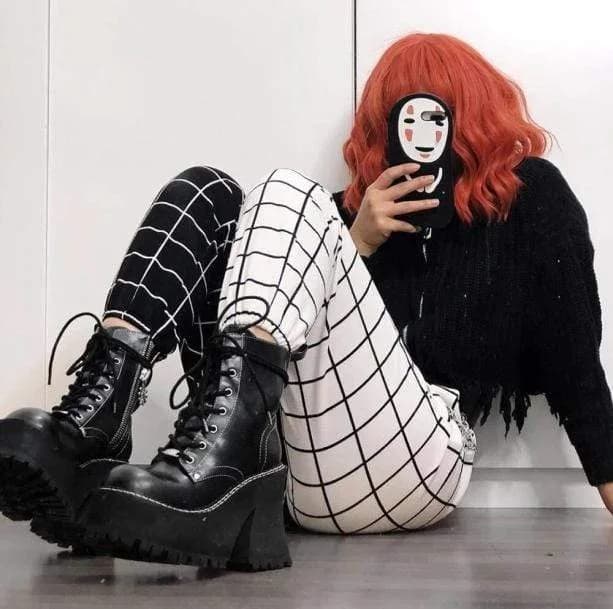
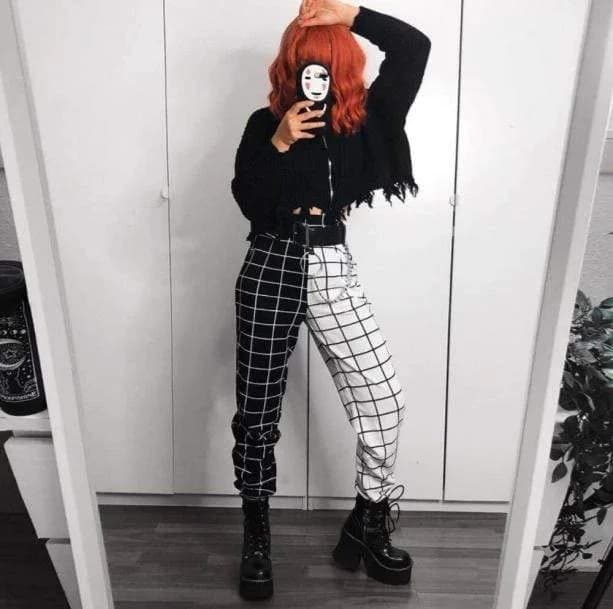
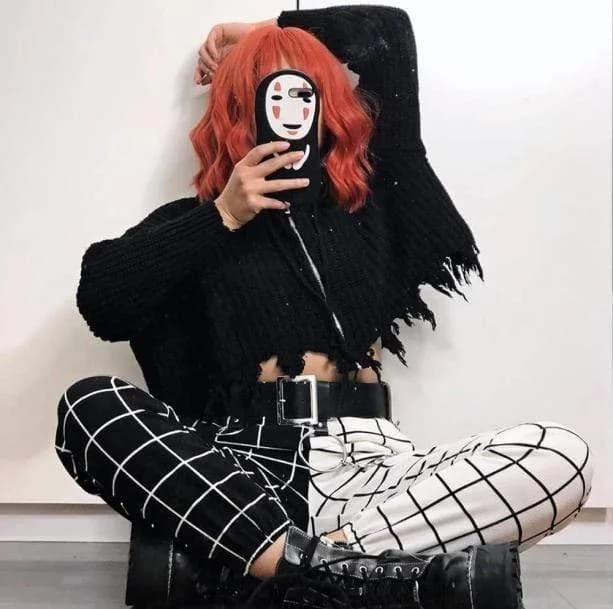
Hair: Natural colors and easy shapes fit best. Loose waves, simple braids, a low ponytail, or a messy twist all work. A ribbon, small clip, or a headscarf adds charm without trying too hard. If your hair is dyed a bright color, don't panic. Just keep the rest of the outfit muted and the look will still read as soft.
Makeup: Keep it light. A little blush, a tinted balm, and maybe a soft neutral on the lids are plenty. If you like a sharper edge, a smudged brown liner can still suit the mood. You don't have to go bare.
Accessories: Pick small, slightly worn-in things. Think a canvas tote, a fabric bag, simple rings, a wooden bead bracelet, a pressed-flower keepsake, or a pocket notebook. A little storybook detail is the goal.
Tech and keepsakes can join in, too. If you want your gear to match the soft mood, the All You Need Is Love AirPods Case is offered for AirPods 1/2, AirPods Pro, and AirPods 3. The You Need To Be iPhone Case covers iPhone 11 through iPhone 14 models, including the Pro and Pro Max versions. Make sure you pick the right model before ordering. For memory-keeping, the Sweet Memories Photo Album comes in one standard size and suits the slow, keepsake-collecting side of the style.
Mori Boy and Gender-Free Dressing
The style was never only for girls. There's a masculine-leaning version often called mori boy, and plenty of people simply wear the look however they like.
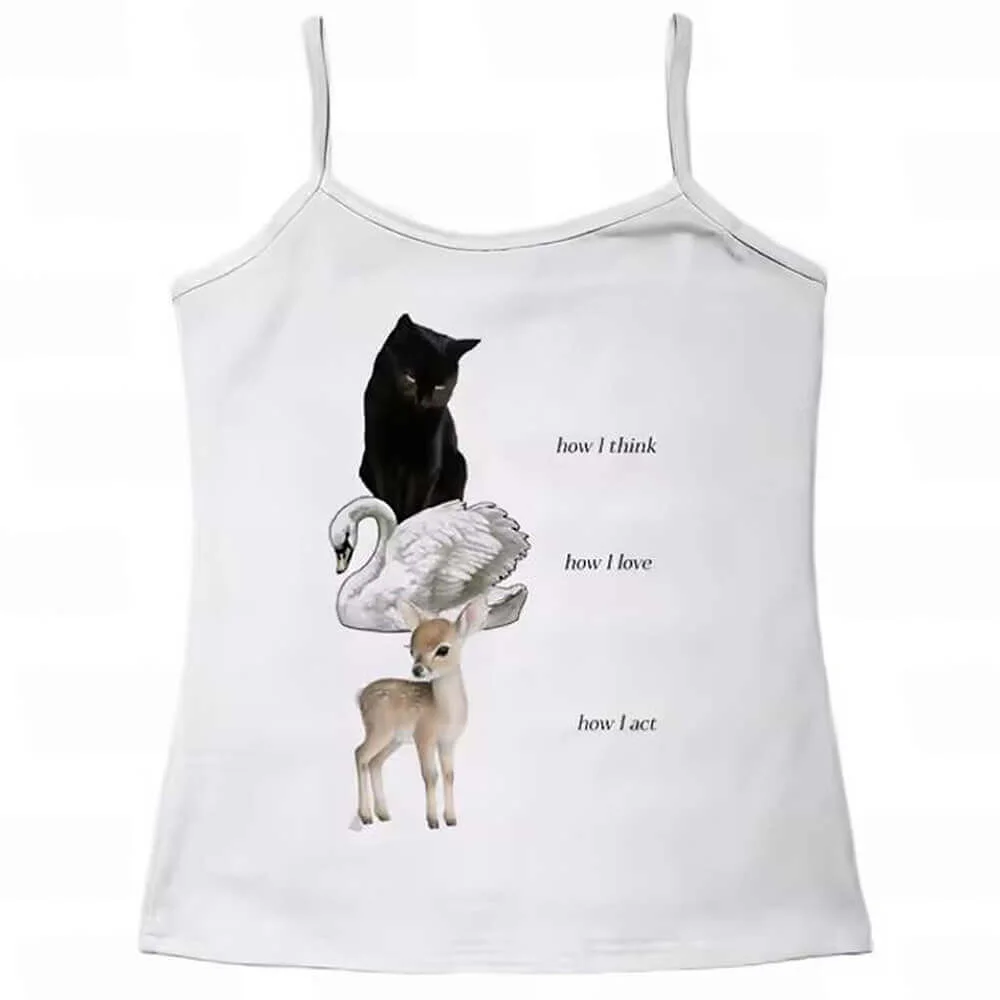
The pieces shift a little. Baggy trousers, chunky sweaters, plain shirts, work jackets, and leather or canvas shoes take center stage. Colors lean slightly deeper, like forest green, dark brown, navy, and charcoal. LayeringWearing pieces over or under one another to add depth, warmth or contrast. is still the main idea.
A simple outfit: straight-leg brown trousers, a cream shirt with the collar slightly open, a thick olive cardigan, and sturdy boots. Add a beanie in cold weather. It looks calm, a bit bookish, and very wearable.
If you're coming from skate or grunge clothes, you already own half of this. Baggy pants, flannels, old knits, and worn boots are all close cousins. What you change is the palette and the softness. Swap loud graphics for plain textures. Trade stiff denim for something that drapes. Keep the beat-up shoes. They fit right in.
Everyone can borrow from both sides. A skirt with a heavy knit and clunky boots is as mori as a dress with a shawl. Don't let labels decide what's yours.
Gender-free dressing in this style relies heavily on relaxed cuts and earthy palettes. Selecting pieces from mori kei tops or mori kei cardigans makes it simple to build outfits with wide corduroy trousers or vintage denim. You might choose an unbuttoned brown knit over a plain shirt, finishing the look with sturdy boots and simple socks.
Mixing Mori Kei With Other Styles
Mori kei plays well with neighbors. If you don't want to dress in one style all the time, you can blend it in.
With cottagecore: The two overlap a lot. Cottagecore is often a little more pastoral, with florals, aprons, and baking-day energy, while mori leans quieter and more layered. Browse the cottagecore collection for dresses and blouses that could slide right into a mori outfit.
With dark academia: Take mori's loose layers and add tweed-like tones, collared shirts, and heavier boots. Our dark academia collection can help you build that moodier, bookish version.
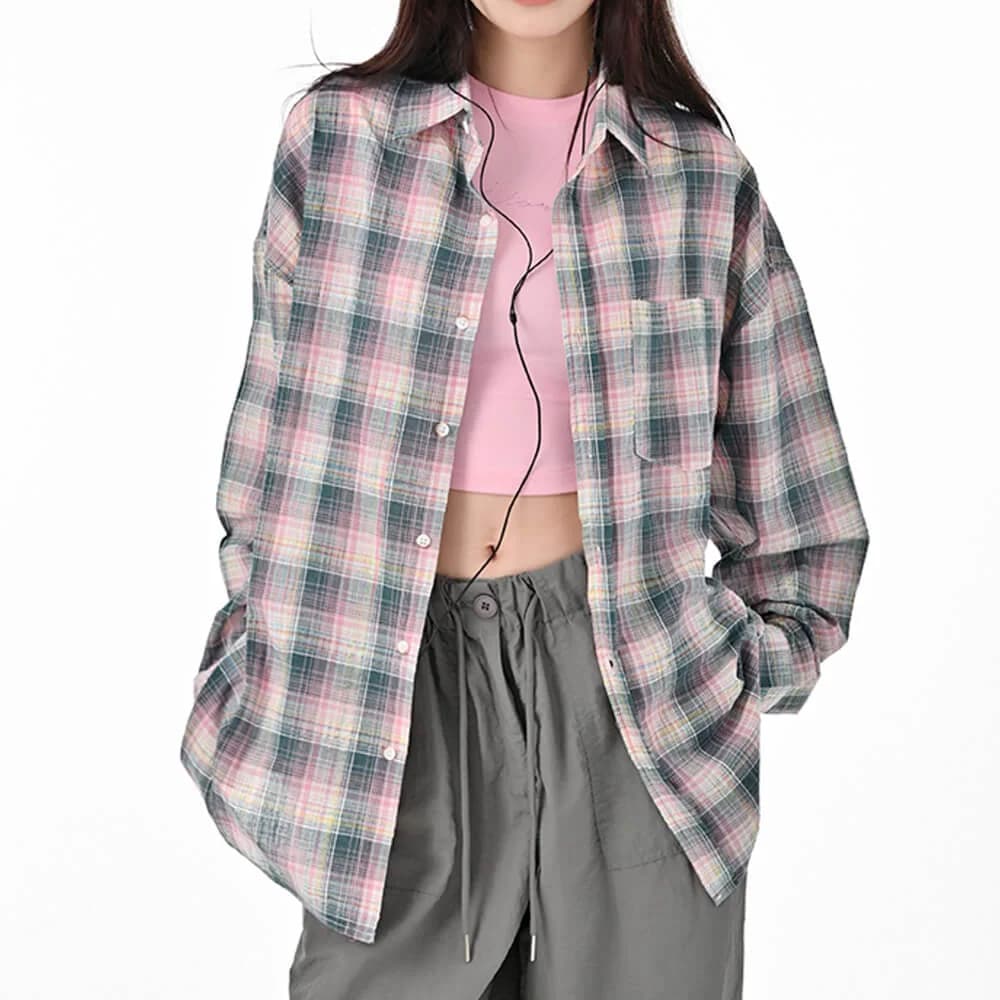
With soft girl: Keep the loose shapes, then add gentle pinks and cream tones. The soft girl collection is a good place to look for that lighter touch.
With pastel goth: Use mori's layered volume, but choose muted lavender, black, and gray. The pastel goth collection offers ideas for that crossover.
With Y2K: This one's a contrast, but it can be fun. Wear a slouchy knit and long skirt, then add a small Y2K-style accessory like a tiny bag or a clip. If you want to explore it, check Y2K clothing and keep the base outfit muted so the one flashy piece stands out.
The rule for mixing is simple. Keep most of the outfit soft and earthy, then let one item from another style be the surprise.
Budget Tips: Thrifting and Making It Your Own
You don't need a big budget for this style. In fact, secondhand shopping suits it perfectly because slightly worn, soft, mismatched pieces are part of the charm.
What to look for at thrift stores and swaps:
- Long skirts and dresses in cotton, linen, or soft blends. Check seams and hems.
- Men's and women's cardigans in neutral colors. Bigger is usually better.
- Plain button-up shirts with soft collars.
- Wide, simple trousers with a stretch-free, relaxed cut.
- Scarves, shawls, and woven bags.
- Leather or canvas shoes with a rounded toe.
Common Mistakes and How to Fix Them
A few easy slip-ups can make mori kei look sloppy instead of soft. Here's how to dodge them.
Too many big pieces at once. A huge sweater, a huge skirt, and a huge scarf will swallow you. Keep one thing fitted or short to give your body a shape to hang on.
Too many colors. Bright tones fight the calm mood. Stay in two or three earthy shades.
Costume overload. You don't need a flower crown, a basket, and a bonnet. Pick one small detail and let the clothes do the rest. Wearing everything at once reads like a costume rather than an outfit.
Stiff or shiny fabrics. Glossy, crisp materials break the soft look. Choose matte, flowing, or knit textures. If a piece is synthetic, like polyester, pay attention to how it drapes and how warm it feels. Read the listing and care notes.
Ignoring the weather. Layers are lovely until you're sweating or soaked. Pick lighter layers in summer and add a proper waterproof outer in rain.
Dragging hems. Long skirts look dreamy until they catch under your boot. Try them on and walk up stairs before you commit.
Treating the rules as law. The style has always been loose. If an outfit feels like you, it counts.
A common styling issue is choosing lengths that drag on the ground. When browsing through mori kei clothes, check size charts and garment lengths instead of relying on standard tag letters. Matching garment measurements with your existing wardrobe ensures skirts, coats, and tunics clear the ground properly when you walk outdoors.
Quick FAQs
Is mori kei still a thing? Yes, in a quieter way. You'll see its layered, soft approach in thrifted outfits and cottage-leaning looks, even when people don't use the name.
Do I have to wear skirts? No. Wide trousers with layers fit just as well.
Can I wear black? Yes, but keep it soft. Washed black, charcoal, and deep brown fit better than shiny black. Pair it with textured knits.
Do I need to dress like a fairytale? Not at all. Keep it wearable. A plain dress, a cardigan, and boots is enough.
What shoes work best? Flat boots, lace-ups, Mary Janes, clogs, and simple sandals. Avoid anything too sleek or sporty if you want the full effect, although worn-in sneakers can work for a casual spin.
How oversized should I go? Aim for comfortable room, not a tent. Check the size chart and garment measurements, think about how much layeringWearing pieces over or under one another to add depth, warmth or contrast. you plan, and choose accordingly. Fit can vary, so measure yourself first.
How do I start with just one outfit? Grab a long skirt or dress, an oversized knit, and a pair of boots. Pick colors from the same earthy family. Add one scarf or bag. That's a complete mori outfit, and you can build from there.


