Created by the Kawaii Vibe editorial team. Our named style desks are editorial personas. Product details and availability can change.
Here's the quick answer. Pick one main pastel, add one or two supporting shades, and keep everything else white or soft neutral. Then edit hard. A pastel bedroom looks dreamy when the colors are calm and the clutter is low. It looks messy when every surface fights for attention.
This guide walks through ten steps, from paint to lighting to the little things on your desk. Then it does something most room guides skip: it shows you what to wear in the room, so your space and your wardrobe feel like they belong together.
You don't need to do everything at once. Start with bedding and a lamp if your budget is tight. Add the rest slowly, and let the room grow with you.
The 10 Steps at a Glance
Skim this list first. The sections below explain each step and where people usually go wrong.
- Step 1: Choose a main pastel and one or two partners.
- Step 2: Decide how bold you want to go, from soft mix to all one color.
- Step 3: Sort out your walls, and keep any pattern quiet.
- Step 4: Choose furniture that stays light and fits the room.
- Step 5: Layer bedding in a few related tones.
- Step 6: Hang sheer curtains in one simple shade.
- Step 7: Add a rug and warm lighting.
- Step 8: Decorate with a few things, not many.
- Step 9: Match the small stuff, like tech, towels and slippers.
- Step 10: Bring the look into your wardrobe, if you want to.
Steps 1 and 2: Choose Your Palette
Your palette is the whole mood, so pick it before you buy anything. Think about how you want to feel when you walk in after a long day.
Pink and white is the classic. It's easy to shop for, and white keeps pink from turning sugary. Mint or sage green feels fresh and quiet, and it sits nicely with peach or pale butter yellow. Pale blue feels cool and calm. It looks lovely with white and a little blush. Lilac pairs well with white and a touch of pink. If you like blue, the pastel blue aesthetic collection is a handy place to see how far the shade can stretch.
Then choose your level of boldness. A soft mix means three pastels at similar strength, with plenty of white between them. A one-color room means going all in on a single shade, like mint walls with white bedding and a few pale green accents. Both work. The mix feels playful. The one-color room feels calm and polished.
A simple test: hold three paint chips or fabric swatches together in your room's natural light. If they still look friendly side by side, you're good. If one looks loud or dingy, swap it out.
Step 3: Walls and Wallpaper
Your walls are the backdrop for everything else. Pale paint is the safest start. Choose a color that looks a little stronger on the wall than it did on the chip, because large areas read deeper than small swatches do.
If you want wallpaper, keep the pattern small and soft. Think tiny florals, faint stripes, or a gentle texture. Big, busy prints can crowd a bedroom, especially a small one. A good compromise is to paper one wall, usually behind the bed, and paint the rest in a quiet neutral.
Renting? Peel-and-stick options and removable wall hooks can help, but check your lease and test a small hidden patch first. If you can't change the walls at all, don't worry. Bedding, curtains and lamps can carry the whole palette.
Lighting changes everything here. A north-facing room tends to look cooler and grayer, so warmer pinks and creams can balance it. A sunny room can handle cooler mints and blues without feeling chilly.
If painting is not an option, hanging wall art sets your color paletteA small group of colors you repeat to make an outfit feel connected. quickly. Smaller prints like 10*15 cm sit easily on narrow picture ledges, while larger 50*60 cm prints fit wide blank spaces above a headboard. You can explore the pastel room decor range to compare graphic prints, muted floral options, and soft wall accents for your setup.
Step 4: Furniture That Stays Light
White or pale wood furniture is the easy route. It lets the pastels glow and keeps the room feeling open. You can also use soft-colored pieces if they match your palette, like a pale pink dresser or a sage bedside table. Just don't let more than one or two big pieces carry strong color.
Measure before you buy. Check the wall space, the door width, and how far the bed sits from other furniture. Leave enough room to walk around comfortably, and make sure drawers and wardrobe doors can open fully. A pretty dresser that blocks the closet is not a good trade.
Secondhand shopping works well here. A tired wooden side table can get a fresh coat of paint in cream or soft white. Swap the handles for something small and pretty, and it looks brand new.
Keep the tops of furniture clear enough to breathe. Two or three items on a dresser looks styled. Ten looks like storage.
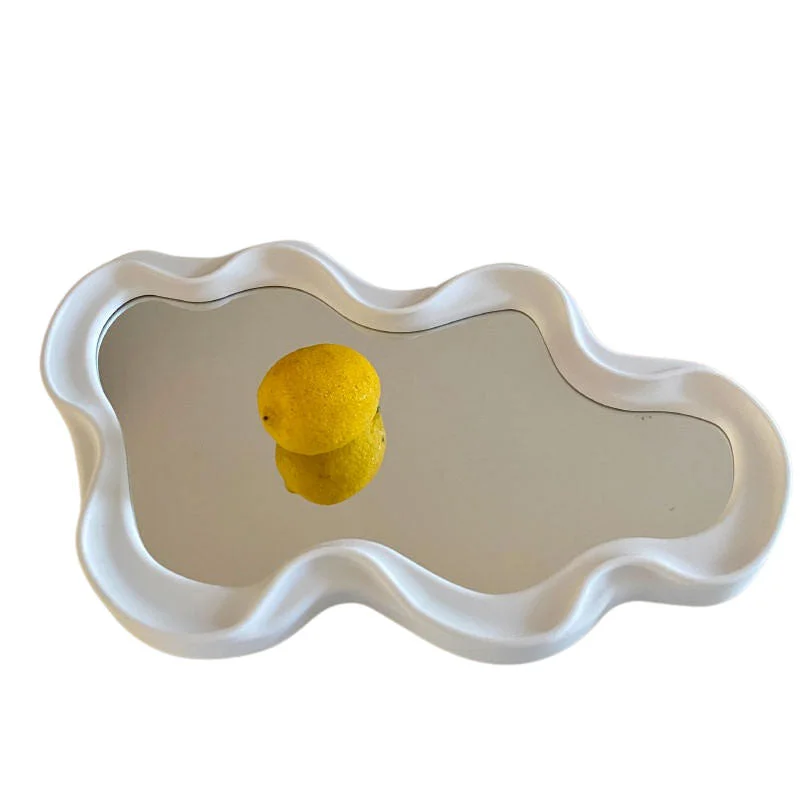
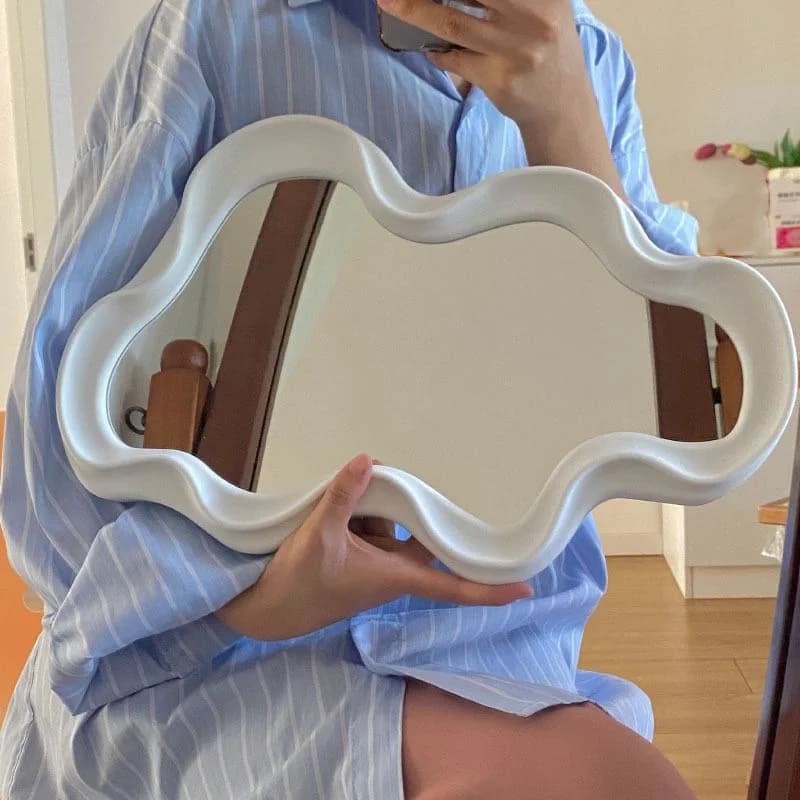
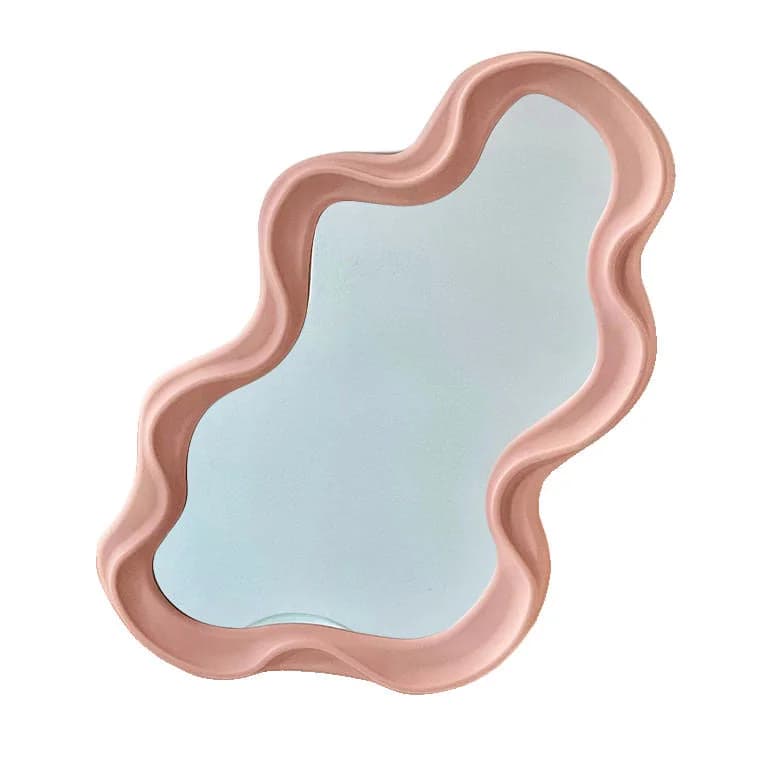
When styling a vanity or dresser top, swap rigid frames for irregular silhouetteThe overall shape an outfit creates, from fitted to loose and layered.s. The Asymmetrical Aesthetic Wavy Mirror comes in Pink and White in Standart sizing, making it simple to lean against a wall beside a jewelry dish. Choosing a light frame tone keeps your desk or nightstand looking bright against pale painted walls.
Step 5: Bedding That Layers Without Overload
The bed is the biggest color moment in the room, so give it some thought. A good rule is to use one main shade, one lighter partner, and white. For a pink room, that could be blush sheets, a white duvet cover, and a soft pink throw across the foot.
If you're going all in on one color, vary the strength. A deep pastel blanket over a paler sheet looks richer than everything in one flat tone.
Pillows should vary in size more than in color. Two big ones at the back, two standard ones in front, and one small accent is plenty. If you want ideas for ready-made looks, browse the pastel bed sets, or check the wider aesthetic bedroom collection for pillows and extras.
Check the size before you buy any set. Mattress sizes and bedding names vary between the US, UK, Canada, Australia and New Zealand, so look at the product page measurements and compare them to your mattress, not just the label.
The same restrained palette can guide an outfit: choose one main pastel shade, a lighter companion, and white, then use a small celestial accent for contrast. A pale-blue top with a white skirt and a star hair clip keeps the colors distinct without matching every piece. Yume Kawaii clothes bring dreamy pastels and celestial details together for this kind of outfit.
For a layered bed, pair a solid duvet with a small-check pillowcase or graphic throw, then repeat one color from that pattern in another part of the room. This keeps the mix tied together without adding more competing shades. The same balance of soft colors and graphic layers guides Pastel E-Girl Clothes, where a darker print can sharpen a pastel accent.

Step 6: Sheer Curtains and Soft Daylight
Sheer curtains do two jobs. They soften the light, and they make the window feel finished. Stay with one plain tone, like white, cream, or a very pale version of your main color. Skip heavy patterns, because the window is already a bright focal point.
Hang the rod higher and wider than the window frame. This makes the window look bigger and lets more light through when the curtains are open. Let the fabric just skim the floor, or stop a little above it. Puddling on the floor tends to collect dust and looks sloppy.
If you need privacy at night or darkness for sleep, sheers alone won't do it. You can layer them over a blind or a plain blackout curtain behind them. That keeps the pretty look in the daytime and gives you real darkness when you need it.
Check the light in the morning, too. Pale pink sheers can turn the room warmer and glowier. Blue-tinted ones can feel cooler. Pick the mood you want to wake up in.
Step 7: Rugs and Lighting
A rug grounds the bed and gives your feet a soft landing. If a full carpet isn't an option, place a rug so at least the front half of the bed sits on it, or put a smaller one on each side. Choose a color slightly different from the walls so the floor doesn't blend into them. Cream, blush and pale gray all work nicely with pastels.
For lighting, warm beats cool. Soft white fairy lights can go above the headboard, along the curtain rod, or around a mirror. Keep them to one or two spots. Lights everywhere can make the room feel like a party store.
Add at least one proper lamp with a warm bulb. Fairy lights are pretty, but they're not great for reading. A small bedside lamp in white, cream or a pale tint does the job and adds to the look.
Be careful with plug points. Don't daisy-chain cheap extension leads behind the bed, and check that any lights you buy are suited to your country's plug and voltage standards.
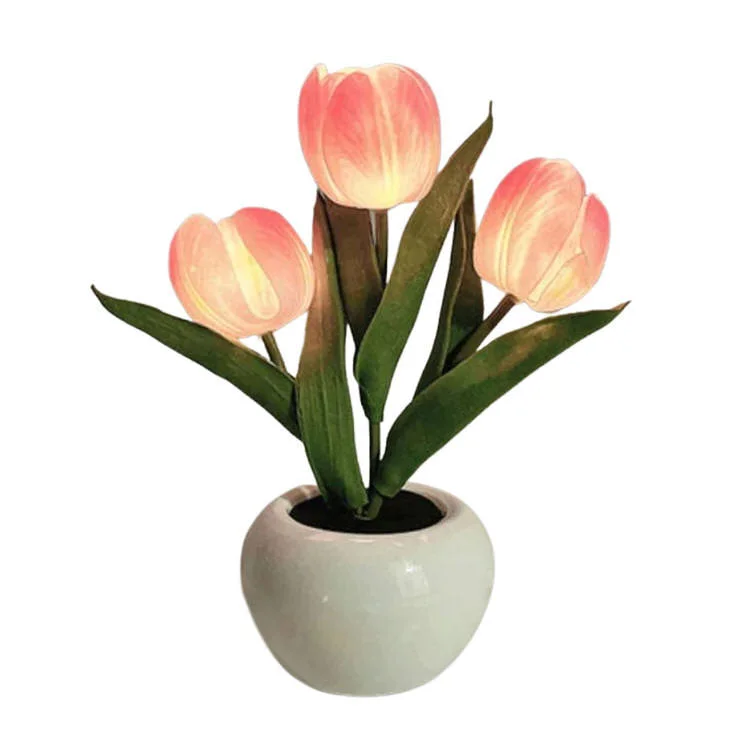
Bedside lighting works best when paired with gentle accent shades on your nightstand. Consider placing the LED Tulip Table Lamp, which comes in One size and shades like Pink, White, Orange, or Yellow, next to your favorite evening books. The floral shape adds warm visual interest without competing with patterned area rugs nearby.
Step 8: Decor, With Restraint
Decor is where pastel rooms tip into too much. Choose a few things you love and give them room. A framed print above the bed. A small shelf with a vase of flowers, real or faux. A mirror that bounces light around. That's often enough.
Group small objects in threes, with different heights. A short candle, a medium vase and a tall frame feel natural together. Leave empty space around them.
Posters work if they share your palette. Soft illustrations, botanical prints or simple line drawings keep the mood quiet. Use frames in white, pale wood or a soft color so the wall doesn't look patchy.
Add one slightly cheeky detail if you like. A stack of stickers on a notebook or laptop, say. A pack like these Aesthetic Vibes Stickers can add a bit of personality to a desk without taking over the room. Keep the sticker area tidy, though, so it reads as a choice rather than a pile.
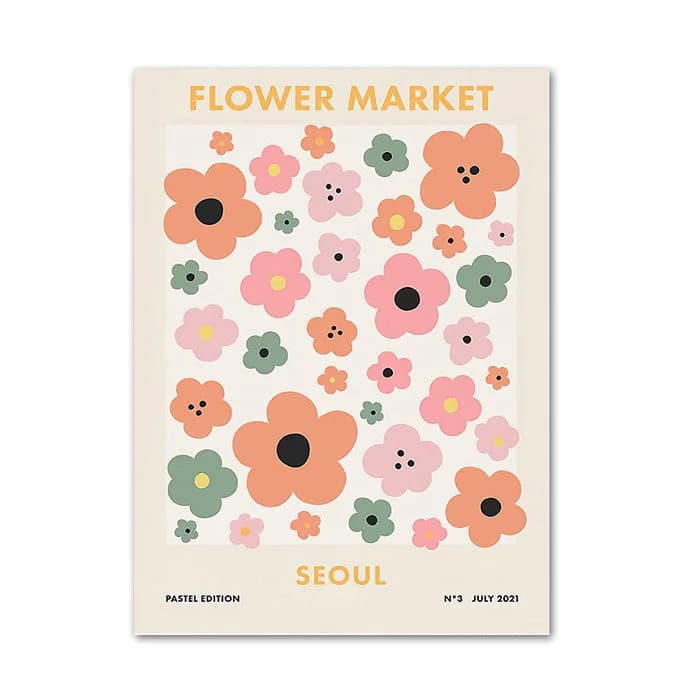
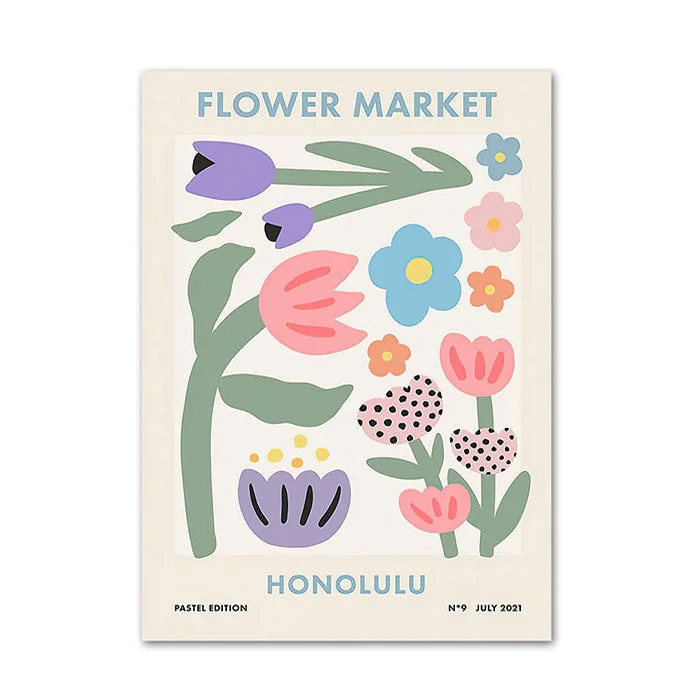
To avoid cluttered walls, group wall prints with clean visual spacing. The Danish Pastel Canvas Posters come in prints like Capri, Seoul, Honolulu, Ibiza, and Madrid, spanning sizes from 10*15 cm up to 60*90 cm. Try pairing a 20*25 cm print with a 30*40 cm design to give your wall variety without overcrowding smaller decor pieces.
Step 9: Match the Small Stuff
This is the easy, low-cost step. Towels, slippers, a laundry basket, a phone case, a pencil cup, a hair-tool holder. They sit in view every day, so they shape the feel of the room more than you'd think.
You don't have to match everything perfectly. Pick one or two repeating shades and let the rest be white or neutral. If your room is mint and white, a pale pink pillow can be a pretty surprise. If everything is the same exact shade, it can look flat.
Tech can fit in, too. White or pale cases, cable organizers and desk mats are enough. You don't need to replace working gear just for the color.
Put the clutter somewhere closed. Baskets, boxes and under-bed bins keep surfaces calm. A pastel room only looks soft when the floor and shelves aren't busy.
Step 10: Dress to Match the Room
This step is optional, but it's fun. If your room feels like a soft, quiet place, your lounge outfits can match. Start with what you already own, then add a few pieces from the pastel clothing collection or the broader aesthetic clothing range.
Here are outfit ideas by weather and comfort level.
Cold day at home: a cozy pastel hoodie, soft leggings or wide sweatpants, and thick socks. The pastel hoodies are a good place to look. Pair it with the Aesthetic Girl Socks for a cute finish. Keep the hoodie one shade and let the socks bring a second color.
Warm day: a white tee or camisole, a pale skirt or shorts, and bare feet or slides. Add Pastel Bear Earrings for a small, sweet detail. Skip heavy layers and let one piece carry the color.
Breezy or rainy day out: a light jacket over a simple top and straight trousers. The 90's Aesthetic Windbreaker could work over a plain white tee and relaxed jeans. Check the product page for details on size and fit first, since it's listed as one size.
Errands in a mixed mood: a pastel top with neutral bottoms and a small bag. If you want a bolder twist, the pastel goth range mixes soft shades with darker pieces. For carrying things to class or work, take a look at the pastel backpacks.
Fit, Measurements and Comfort Notes
Pastels look best when the fit is relaxed and clean. Before you order anything, measure yourself and compare with the size chart on the product page. Fit can vary between items, so use the numbers rather than guessing from your usual size.
Measure your chest at the fullest point, your waist at the narrowest part, and your hips at the widest. For trousers, also measure your inseam if the page gives one. Write the numbers down so you can compare quickly.
Some items come in limited sizes. The Aesthetic Pants With Chain are listed in M, L and XL, so check the measurements carefully before choosing. If you're between sizes, think about how you'll wear them. A looser fit is more comfortable for lounging, while a closer one suits going out.
For one-size items, look for any listed dimensions and think about how you'll wear them. Don't assume they'll fit everyone the same way.
Comfort matters at home. If something digs in at the waist or restricts your arms, it won't stay on your list of favorites. Soft, easy pieces make the most sense for a bedroom lifestyle.

Common Pitfalls to Avoid
Too many pastels at full strength. Five different candy shades can look chaotic. Pick a lead color and use others in smaller amounts.
No contrast. A room that's all pale pink with no white, wood or gray can feel flat. Add a few anchors, like a pale wood frame or a darker neutral lamp base.
Shiny, cheap-looking extras. Plastic flowers and glittery decor can make a soft room feel crowded. Choose a few good pieces over many random ones.
Ignoring practicality. White bedding looks lovely, but check the care label and think about how often you can wash it. If you eat in bed or have a pet, mid-tone pastels may be easier to live with.
Buying before measuring. Rugs, curtains and furniture are the usual offenders. Measure twice, then check return policies so you know what to do if something doesn't fit.
Forgetting outfits and room can be separate. You don't have to dress like your bedroom. If you only love the room, that's fine.
Quick FAQs
Can a pastel bedroom work for any gender? Yes. Pastels are just colors. Mint, blue, sage and soft yellow are easy to mix with white or wood tones. Add darker neutrals if you want a less sweet feel.
What's the cheapest way to start? Change your bedding and add a lamp with a warm bulb. Those two things shift the mood fast.
Do I need to paint? No. Textiles and lighting can do most of the work, especially if you rent.
How do I keep it from looking childish? Limit the number of colors, choose simple shapes, and add mature details like wood, linen-look fabrics or a framed print.
Can I mix pastel and darker shades? Yes. A black frame, a gray rug or a deep wood side table can ground the room. Just keep the dark pieces few.
How many decor pieces are enough? Enough that the room feels finished, but not so many that you can't see the walls. If you're unsure, remove one item and see if you miss it.