

Created by the Kawaii Vibe editorial team. Our named style desks are editorial personas. Product details and availability can change.
Kei fashion usually means visual kei style. It's a group of looks that grew out of Japanese rock bands, where how you look matters as much as how you sound. “Kei” roughly means style or type, so each kind of kei is a different flavor of the same big idea: dress like the mood you want to walk into the room with.
Some kei looks are bright and sweet. Some are dark and theatrical. Some feel like a candlelit palace. This guide walks through the best-known branches, what makes each one recognizable, and how to wear pieces from them on a normal day without looking like you're heading to a photoshoot.
One note before we start. Kei looks come from a music scene with its own history and fans, so treat this as a friendly starting point, not the final word. Take what you love and make it yours.
The Quick Answer: Kei Is a Family of Looks
If you only remember one thing, remember this: kei fashion isn't one outfit. It's a family of styles tied to visual kei music, and each branch has its own colors, shapes and attitude.
What they share is commitment. The hair, the accessories, the colors and the mood are all chosen to work together. Nothing feels like an afterthought. That's the part you can borrow, even if you never copy a single band look.
Here's the cheat sheet you can screenshot for later.
- Oshare kei: bright, playful and fashion-forward. Think color mixing and cheerful styling.
- Angura kei: “underground” style with a dark, vintage-leaning, theatrical mood.
- Nagoya kei: sharp and dark, usually built around black and white.
- Tanbi kei: European-inspired and romantic, with an elegant, almost royal feel. People rarely use the term itself.
- Kote kei: the loud, dramatic, over-the-top look that fans often describe as the original wave.

Where the Word “Visual Kei” Comes From
The phrase is usually linked to the Japanese band X Japan. A slogan tied to their album Blue Blood, “Psychedelic Violence Crime of Visual Shock,” is often pointed to as a starting spark. Over time “visual shock style” got shortened to visual kei, and then to V-kei.
The takeaway is simple. The word “visual” is the whole point. These bands wanted the look to hit you before the first note did.
People often mix up visual kei with Harajuku fashion, and it's easy to see why. Both are Japanese, both are bold, and fans sometimes wear both. But Harajuku is a neighborhood known for street style, while visual kei is tied to music and bands. They overlap in wardrobes, not in definition. If you're shopping the playful street side, the Harajuku & Kawaii collection is the closer match for that mood.
One more thing worth knowing: dates and “who invented what” get argued about a lot in fan circles. If you read a very exact claim somewhere, take it with a pinch of salt.
What Makes a Look Feel “Kei”
You can spot kei styling by a few habits, not by one uniform. First, hair counts as part of the outfit. Color, volume and shape are planned like any other piece. Second, makeup is often expressive. Third, accessories are layered on purpose, not tossed on at the end.
Fourth, there's usually a clear mood. Candy-bright, candlelit, monochrome, regal. You can name it in one word. That's a handy test for your own outfits. If you can't name the mood, the look probably needs an edit.
Here's what that means in real life. You don't need a dramatic wig or a full face of stage makeup. Pick one expressive element and let it lead. That could be a sharp black-and-white palette, a ruffled collar, a pile of bracelets, or a pair of socks that make people look twice.
Kei looks also tend to play with gender, so shapes and details cross over freely. A frilly shirt, a structured jacket and a pleated skirt can all sit in the same outfit. Wear what suits your body and your day.
Last, not every kei look is dark. People hear “visual kei” and picture all black. Oshare is the proof that it can be pastel, neon or candy-colored.
When balancing expressive silhouetteThe overall shape an outfit creates, from fitted to loose and layered.s with clean everyday pieces, look for versatile statement bottoms or detailed graphic layers. Starting an outfit with items from the visual kei clothes collection lets you frame theatrical details, like studded accessories or layered jewelry, around a single focal piece rather than overcrowding your look.
Oshare Kei: The Bright, Playful One
Oshare means “fashionable,” and that's the vibe. It's one of the best-known branches, and it's the easiest one to start with if you like color. Think cheerful styling, mixed prints and a happy kind of confidence.
The trick is controlled chaos. Pick a color story, then let patterns and textures bump into each other. A pink top, a plaid skirt and striped knee socks can work because they share a tone, even if the patterns don't match.
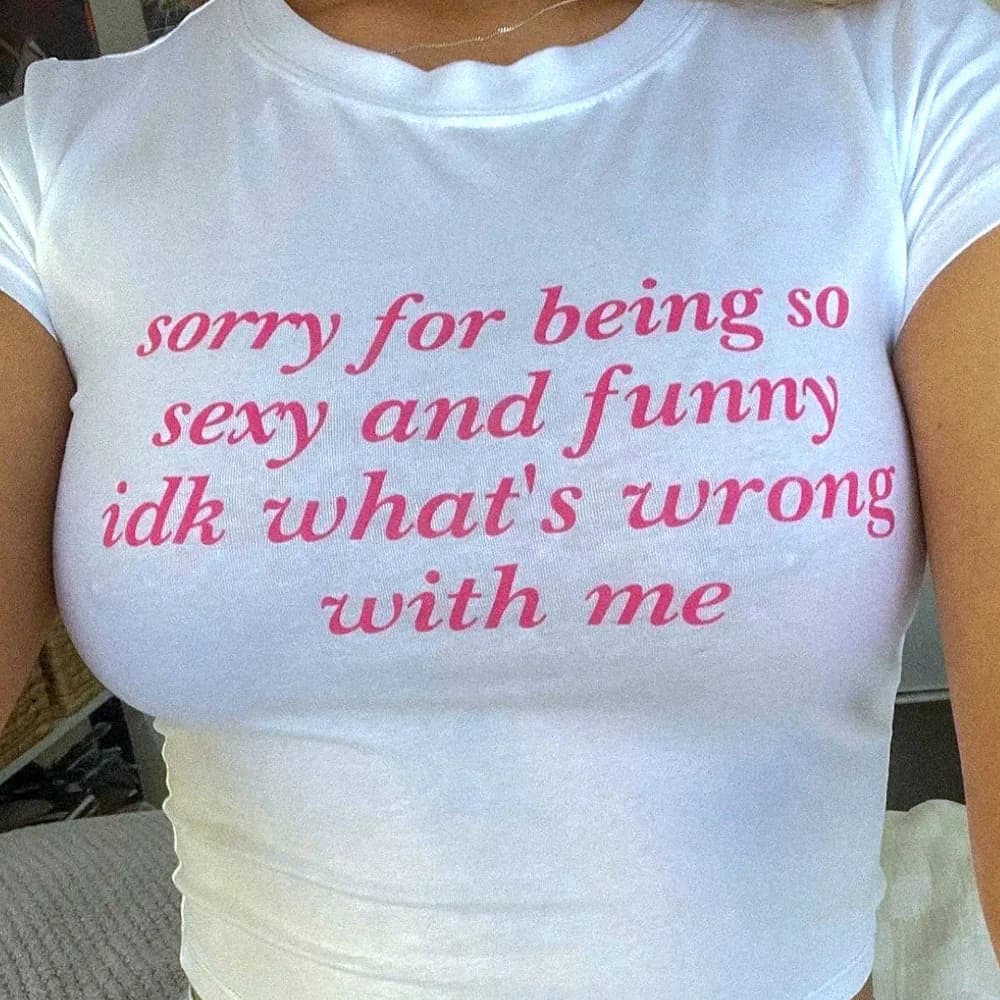
Try this: a fitted baby tee, a pleated mini skirt, chunky sneakers, and a bag with a few clip-on charms. The What’s Wrong With Me Baby Tee is made from cotton and polyester and comes in XS to XL, so it can be the simple, graphic anchor of a look like this. Then add Do What You Want Socks, which are cotton and one size, and let them peek out above your shoes.
If you like a gentler, pastel-leaning version, browse the Soft Girl collection for color ideas. Keep the palette to two or three shades and add one wild accessory. That's oshare without the overload.
Angura Kei: Underground and Theatrical
Angura means “underground.” The look leans dark, moody and a little old-fashioned, like a vintage stage costume that's been tucked away in a trunk. Fans often connect it with a darker palette and, in some band looks, white-face makeup styling called shironuri.
It sometimes gets lumped in with eroguro kei, a different and darker label. If you're shopping, you don't need to sort that out. Just know that angura is about atmosphere more than shock.
For everyday wear, think old-world and dramatic. A long dark skirt, a high-neck blouse, lace-up boots, and a muted jacket. Add one vintage-feeling accessory like a brooch, a ribbon at the collar, or a plain locket.
The Dark Academia collection is a handy place to look for that library-at-midnight mood. Blazers, long skirts and moody layers all fit nicely here.
Keep makeup optional. A deep berry lip or smudged liner gives you the feeling without the full white-face look. And if you do want the dramatic version for a photo or event, go for it. Just make sure the clothes are doing some of the work too.
Nagoya Kei: Black, White and Sharp
Nagoya kei is named after the city of Nagoya. It's known for dark, high-contrast styling, mostly black and white, and people often compare it to goth. It's one of the standout looks in the scene.
What makes it work is discipline. Fewer colors, more shape. A black blazer with a white shirt, long dark trousers, and boots already feels close. Add dramatic hair, a sleek choker or silver jewelry, and you've got a strong base.
Here's an outfit that works on a cool evening: black wide-leg trousers, a white fitted top, a long black coat, and boots with a bit of height. Everything is simple. The contrast does the talking.
If pure black and white feels too heavy for daily life, soften it. The Pastel Goth collection is a good place to look for dark pieces with a lighter touch. You could swap the white top for a pale lilac one, or add a pastel bag to a black outfit.
One pitfall: don't add five other colors to “fix” it. The look lives and dies on restraint.
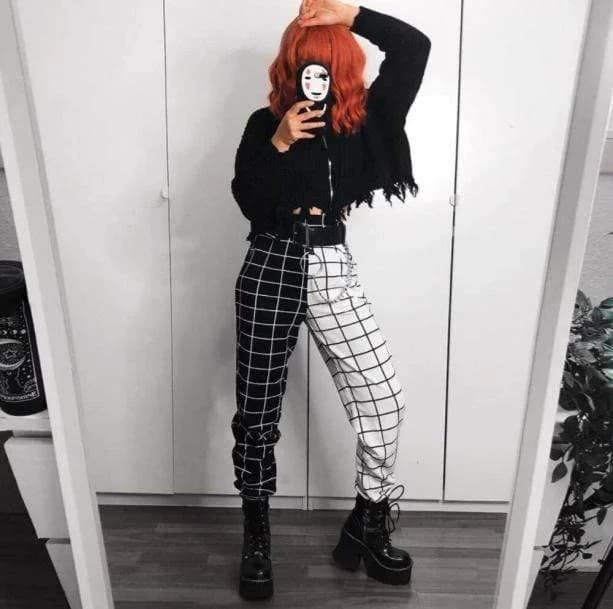
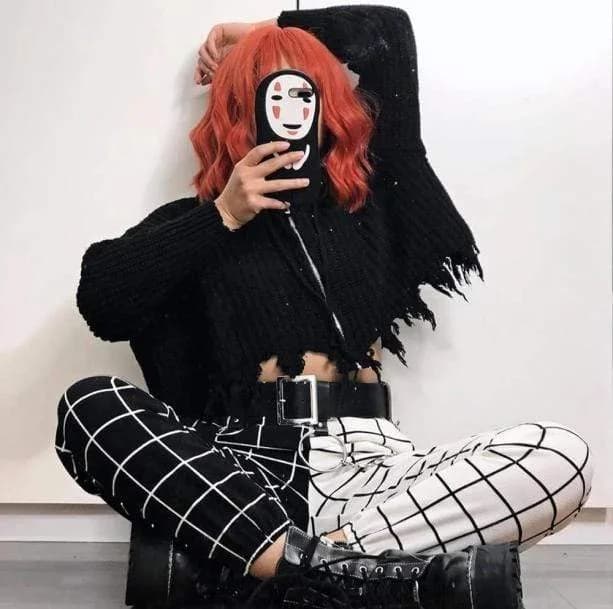
If you want a straightforward way to wear sharp monochrome contrast, dual-tone designs work well. The Black and White Pants offer clean color blocking in sizes S to XL. You can pair them with dark visual kei boots and a plain black top to lean directly into this stark, restrained style.
Tanbi Kei: Romantic and European-Inspired
Tanbi translates roughly to “aesthetic,” but in practice people use it to mean European-inspired. Honestly, hardly anyone says “tanbi kei” out loud. If you say “European-inspired visual kei,” fans will know what you mean. The style is often linked to the band Malice Mizer, and it's known for elegance, romance and a touch of royalty.
This is the branch to explore if you love soft, dreamy dressing. Think ruffled collars, ribbons, lace-trimmed details, long skirts and structured jackets. It's formal without being stiff.
A good everyday version: a white blouse with a ribbon at the neck, a long skirt, flat Mary Janes, and a small shoulder bag. Keep your hair pinned or curled. It feels like a storybook, but it's still easy to move in.
If your own style leans romantic, the Cottagecore collection is a natural place to find the softer, vintage-feeling pieces that fit this mood. The difference is polish. Tanbi leans a little more formal and palace-like than a picnic dress, so pair a delicate piece with something structured, like a fitted vest or a tailored jacket.
Pitfall: too many frills at once. Pick one hero detail, like the collar or the sleeves, and keep the rest calm.
Kote Kei: Loud, Dramatic and Classic
Kote kei is often described as “over the top visual shock.” Many fans consider it the earliest style of visual kei, and the base that other branches grew from. Its reputation is big hair, bold outfits and dramatic makeup.
Some fans tie the label to a specific era of bands, so you'll hear people debate who counts as “real” kote kei. That's a fan-community argument you can skip. For shopping, think of it as the high-drama end of the family.
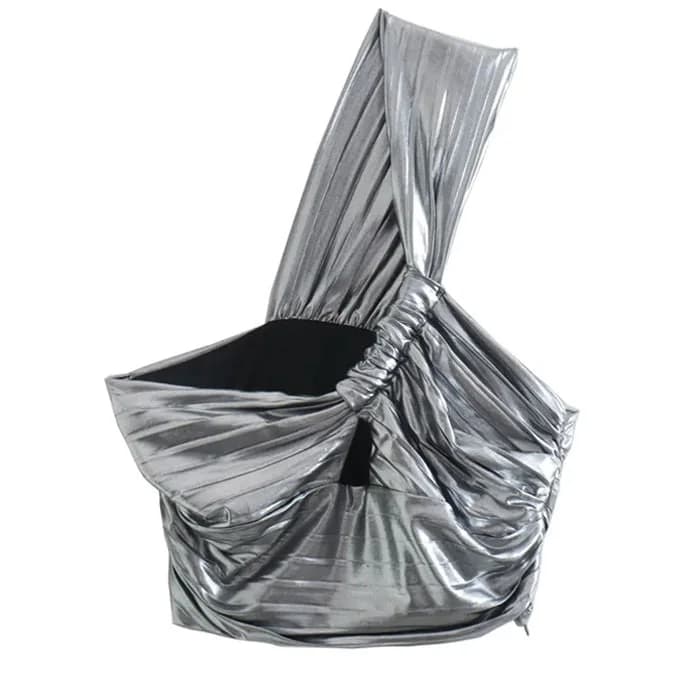
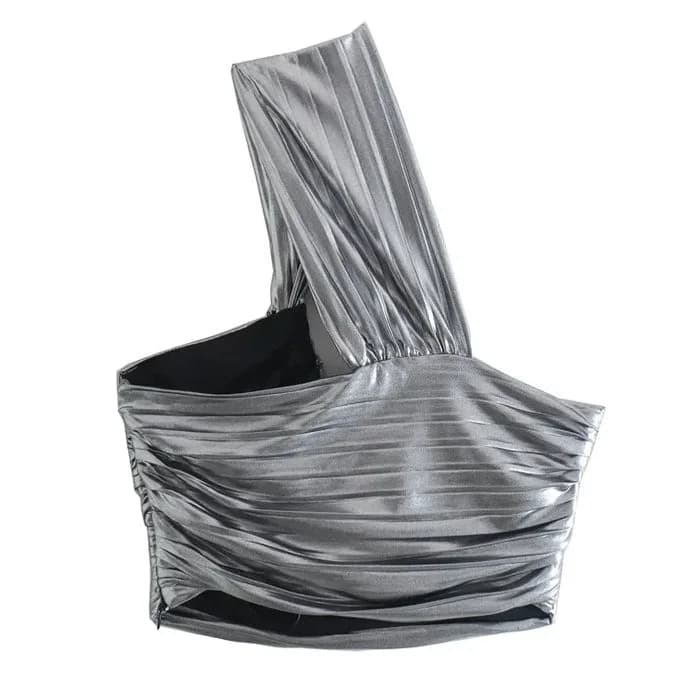
How do you wear that on a regular day? Choose one statement piece and build quiet things around it. The High Fashion Silver Top is polyester and comes in S, M and L, so it can be the shiny centerpiece. Check the product page for the exact cut and stretch before you decide how to style it.
Try it with plain black trousers or a black mini skirt, tall boots, and big, voluminous hair. Add a few chunky rings. The top is loud, so let everything else stay simple.
If you want more ideas for statement pieces without committing to one scene, the Aesthetic Clothing collection is a good place to browse by mood.
Bold graphics offer a simple route into dramatic rock aesthetics. The Grunge Skeleton Heart Print T-Shirt comes in Dark Grey and Orange in sizes S to XL, featuring a verified size chart. You can pair it with dark separates from the visual kei pants collection to keep the visual focus on the central motif.

Outfit Ideas by Weather and Comfort Level
Kei styling doesn't have to be suffering in a heat wave. Here's how to adjust it.
Hot days: keep fabric light and let accessories do the drama. A baby tee, a pleated skirt, bright socks, and sneakers. Cotton tends to feel more breathable than polyester for many people, so if you run warm, lean on the cotton pieces and save heavier layers for later.
Mild days: layer a hoodie over a dress or skirt. The All We Need Is Love Hoodie is polyester and comes in S to 4XL, so it's a relaxed base for an oshare-style outfit. Pair it with a ruffled skirt, striped socks and boots. Check the product page for thickness details.
Cold days: build from the inside. A fitted base layer, your statement top, then a long coat. For a Nagoya-style outfit, a black coat over a white shirt and dark trousers gives you sharp contrast with real warmth.
Rainy days: go for dark colors and sturdy boots. Skip long, trailing hems that will soak up puddles. Tuck a bright umbrella into the mood.
Low-effort days: pick one kei element only. Bold socks, a ribbon in your hair, or a statement top over jeans. That's enough.
Dressy days: a tanbi-style blouse and long skirt, or a sleek black-and-white set, will look intentional at dinner or a gig.
For mild weather styling, pairing graphic shirts with practical layers keeps your silhouetteThe overall shape an outfit creates, from fitted to loose and layered. interesting without feeling restrictive. You can combine printed tops with structured bottoms, then finish the look with accents from our visual kei jewelry selection to maintain the subculture aesthetic across changing seasons.
For hot weather, keep a kei outfit’s base light and use accessories for emphasis. For a separate, more structured coordinate, compare dress silhouetteThe overall shape an outfit creates, from fitted to loose and layered.s and layeringWearing pieces over or under one another to add depth, warmth or contrast. pieces in the Classic Lolita clothes collection, checking the hem against your petticoat before choosing shoes and accessories; that fuller silhouetteThe overall shape an outfit creates, from fitted to loose and layered. makes a different outfit decision from the light base described here.
Fit and Measurement Guidance
Kei looks depend on shape, so fit matters. Start by measuring your bust, waist and hips with a soft tape. Write the numbers down and compare them with the size chart on each product page. Sizing can differ from item to item, and we can't guarantee how something will fit you.
Check the length too. Baby tees tend to sit snug and short, so look at the garment measurements if you plan to wear one with a high-waisted skirt. If you want more coverage, size up or choose a longer layer underneath.
Think about layeringWearing pieces over or under one another to add depth, warmth or contrast. room. A hoodie over a blouse needs more space through the shoulders and sleeves than a hoodie worn alone. If you plan to stack pieces, size with that in mind.
Pay attention to fabric. Cotton and polyester can behave differently on the body. Some polyester pieces have less give than you'd expect, so don't assume stretch unless the product page says so. Where a page lists limited sizes, like S to L on the silver top, compare your measurements carefully.
Socks are one size, so check that the cuff height suits your shoes and calves. And if you're between sizes, read the product details and choose the fit that matches how you like to feel in clothes: close, relaxed or roomy.
Common Pitfalls (and Easy Fixes)
Wearing everything at once. Big hair, heavy makeup, layered jewelry, patterned tights and a statement jacket can turn into noise. Pick one or two loud things and keep the rest simple.
Treating kei like a costume. You don't have to recreate a band look from head to toe. Borrow the mood, the color story or one detail, and make it fit your actual day.
Ignoring comfort. If your boots hurt or your layers overheat you, the outfit won't look confident. Break shoes in and plan for the weather.
Mixing up the labels. Oshare, angura, Nagoya, tanbi and kote are different. Calling a bright pastel outfit “goth” or a dark outfit “oshare” will confuse people. When in doubt, describe the mood instead.
Forgetting the music. Kei styles come from a real scene. If you like the look, listen to the bands behind it. It'll make your styling feel more grounded.
Skipping the mirror edit. Before you leave, remove one thing. Most kei outfits look sharper after that last edit.
Quick FAQs
Is kei fashion the same as Harajuku fashion? No. Harajuku is a neighborhood known for street style. Kei fashion is tied to visual kei music. They overlap in some wardrobes, but they aren't the same thing.
Do I have to wear dramatic makeup? No. Makeup is part of the tradition, but you can start with clothes and accessories only. A bold lip or eyeliner is plenty.
Is it all dark? Not at all. Oshare is bright and playful, and tanbi is soft and romantic. Nagoya and angura are the darker ends.
Which style should I try first? If you love color, start with oshare. If you love black outfits, try Nagoya. If you love ruffles and ribbons, try tanbi.
Can I wear it to work or school? Often, yes. Choose subtle versions: a ribbon collar, dark neat layers, or one statement accessory. Follow your dress code.
Is it only for men or only for women? No. Kei looks often mix gendered shapes and details, so wear what you like.
Where can I find pieces? Browse the Harajuku & Kawaii collection for playful options, then use the other collections above to match your mood.


