Created by the Kawaii Vibe editorial team. Our named style desks are editorial personas. Product details and availability can change.
Anime gets talked about as if it were one single thing. It is not. It is a huge, mixed collection of animated work made for different ages, moods and tastes, and that variety is the most useful thing to know before you press play. Some of it is quiet and slow. Some is loud, strange or deeply silly. Some is built to make you laugh, and some is built to unsettle you.
This guide is written for adults who are curious but a little unsure where to begin. It gives you ten reasons you might enjoy anime, framed as possibilities rather than promises. Not every anime offers every quality listed here, and you may find that only two or three of the ten ever matter to you. That is fine.
After the reasons, you will find a practical way to choose a first series without relying on a list of titles: how to read tone and content descriptions, how much to commit, how to decide between subtitles and dubs, how to dodge spoilers, and how to stop watching something without guilt. The aim is to help you choose by your own taste, not someone else's.
Ten reasons you might enjoy anime
These reasons are subjective. Read them as prompts for what to look for, and ignore any that do not sound like you. Each one is something some anime does well, not something all anime does.
1. Visual storytelling can carry a lot of the story
Many animated works lean on images instead of dialogue. A character may say nothing while a held shot of an empty chair, a changing sky or a hand hesitating over a door handle tells you how they feel. If you enjoy films where framing, color and pacing do emotional work, you may enjoy this approach.
Because every frame is drawn or composed on purpose, creators can control exactly what you see. Exaggerated expressions, symbolic backgrounds and sudden shifts in style can express feelings that a live camera would struggle to capture. Some series use these tools heavily; others stay plain and direct. When you try something, notice whether the visuals add meaning for you or just decorate the scene.

2. The range of moods is wide
Anime can be gentle, tense, goofy, romantic, eerie, bleak, hopeful or all of these within one season. That breadth means a bad first experience with one mood tells you little about the rest. Someone who dislikes high-intensity action might love a calm story about daily routines, and someone who finds calm stories dull might enjoy a fast mystery.
It also means you can match a show to your actual state of mind. Some people keep a comforting, low-stakes series for tired evenings and save heavier drama for when they have energy. Thinking of anime as a set of moods, rather than a genre, makes it easier to choose well.
3. Imaginative settings are common
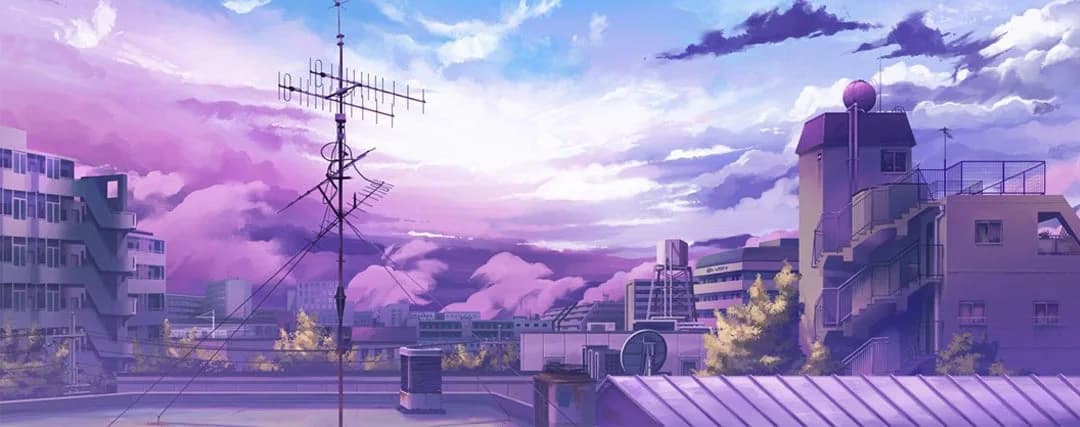
Animation can show places that would be difficult to build as physical sets: floating cities, invented school systems, alternate histories, or ordinary towns with one impossible rule. Drawing those worlds still takes considerable work. If you like learning how an imagined place works, visual details can make exploring its streets and rooms part of the pleasure.
Settings do not have to be fantastical to be interesting. Some series find atmosphere in a small train station, a seaside street or a cramped apartment, drawn with care. Whether you prefer invented worlds or lovingly observed ordinary ones, there is likely something that fits.
4. Music can shape the whole experience
Opening and closing songs, background scores and well-placed silence are often part of how a series builds its identity. A theme tune might set expectations in thirty seconds. A quiet piano line might change how an ordinary scene lands.
If music matters to you, pay attention to it while watching. You may find that a series you only mildly enjoy has a soundtrack you want to keep listening to, or that a strong score pulls you through a slow stretch. Not every show has memorable music, but when it works, it can be a real reason to stay.
5. Serialized stories reward patience
Many anime are told as one continuous story across many episodes, rather than as self-contained installments. Plot threads, relationships and small details build up, and a moment in episode ten can hit harder because of something quietly set up in episode two.
If you enjoy being invested over time, that structure can be satisfying. It also asks something of you: you need to watch in order and keep track of what is happening. Some series are episodic instead, where you can drop in anywhere, so serialization is a quality to seek out or avoid depending on your mood.

6. Short formats make it easy to start
Not every anime demands a huge time commitment. Some are told in a small number of episodes, and some episodes are very brief. A short story with a clear ending can be an easy way to test whether the style suits you without giving up weeks of evenings.
Short formats also suit people with busy schedules. You can finish a complete story in a few sittings and decide afterward whether you want more. If long series feel intimidating, starting small is a sensible way in.
7. Animation craft is interesting in itself
Even if you do not care about the story, the craft can be absorbing. You might notice how a fight scene uses timing, how hair and cloth move in wind, how a background painting sets a mood, or how a character’s walk shows their personality. Budgets and styles vary a lot, so quality is uneven, and some series choose stylized or limited movement on purpose.
Paying attention to craft can make watching more active. Ask yourself what looks different from other animation you know, and what the creators seem to care about most. You do not need technical knowledge; noticing is enough.
8. Character perspectives can feel specific and close
Many stories spend real time inside a character’s head, showing doubts, private jokes, fears and small ambitions. Narration, flashbacks and visual metaphors can make a character’s view of the world feel vivid, even when that character is very different from you.
This can make ensemble casts rewarding, since different people in the same scene may see it differently. If you value character-driven stories more than plot twists, look for descriptions that mention relationships, growth or everyday life rather than only events.
9. Watching together can be fun
Anime can be a shared hobby. Watching with a friend or partner gives you someone to react to surprises, argue about choices and compare favorite moments. Online communities also discuss series at length, which some people enjoy and others find overwhelming.
Sharing works best when you agree on ground rules: whether to pause for discussion, how many episodes per night, and how to handle one person being ahead. If you prefer solitude, that is equally valid. Many people treat anime as a private, relaxing habit.
10. Trying it helps you learn your own taste
Perhaps the best reason is that exploring anime shows you what you like. After a few attempts, you may notice patterns: you prefer slower pacing, dislike certain kinds of humor, love stories about friendship, or want a firm ending. That knowledge helps you choose better next time, in anime and elsewhere.
Disliking something is useful information too. A series you drop after two episodes still teaches you what to avoid. Treat each attempt as a small experiment rather than a test you can fail.
How to choose your first series
Without naming specific shows, you can still narrow things down by reading descriptions carefully. Start with tone. Ask whether you want something comforting, funny, tense, thoughtful or strange. Descriptions often hint at this with words like cozy, melancholy, fast-paced or dark. If a description only lists plot events, look at reviews or synopses for phrases about mood.
Next, check content. Anime can include violence, intense themes, sexual content or disturbing imagery, and ratings vary. Read content notes before you start, especially if there are things you know you want to avoid. Being an adult means you can choose, and checking first saves frustration.
Then consider commitment. A single season is a manageable test. A very long series can be wonderful but is a bigger promise. Many people begin with something short and complete, then move to longer ones once they know their taste.
Finally, think about whether you want a story that needs your full attention or something you can half-watch while doing other things. Subtle visual storytelling rewards focus, while lighter episodic comedy is easier to dip into.
Subtitles or dubs: picking what suits you
Subtitles keep the original voice performances and let you hear the intended delivery, but you must read while you watch, which can be tiring if the visuals are busy. Dubs let you watch the screen freely and are easier when you are cooking, folding laundry or just tired, though performances and translation choices differ from the original.
There is no correct choice. Try the first episode both ways if both are available, and see which lets you enjoy the story more. You can also change your mind midway. If you use subtitles, check that they are readable in size and color, and consider turning on captions that describe sounds if that helps.
Avoiding spoilers
Anime fandoms are active, and spoilers appear in thumbnails, comments, memes and recommendation posts. A few habits help.
Avoid searching a series name on social platforms until you finish, since results often show key moments. Mute relevant words if the platform allows it. Be careful with video comment sections and with episode titles or preview clips, which can reveal more than you want.
When asking for advice, say plainly that you want no plot details, only tone and content warnings. Friends can usually answer questions like whether something is sad, scary or lighthearted without giving anything away.
A worked example: choosing for a relaxed evening
Imagine you have forty minutes after dinner and want a gentle story with a little humor. Start by writing those three limits down: short viewing time, a calm mood and some comedy. A spectacular trailer for a long battle series might catch your attention, but it does not answer this particular evening’s brief. Save it for another day if it interests you. Look for a description that focuses on everyday events, a small cast or self-contained situations, then check the content notes and the episode length.
Give your chosen episode your attention for its opening scenes. Notice whether the pace feels comfortable and whether you want to hear the next conversation. If reading subtitles takes you away from the visual jokes, try the available dub. If neither version holds your interest, make a small note about why: perhaps the humor was too loud, the setup too slow or the characters unappealing. Your next choice can change that one variable. The useful result is learning what suits your evening, even when the first selection does not become a favorite.
A first-viewing selection checklist
Use this before you press play. It takes a few minutes and can save you from a poor match.
- Name the mood you want tonight: comforting, funny, tense, thoughtful or strange.
- Read content notes and confirm nothing in them is a dealbreaker for you.
- Choose a commitment size: a short complete story, one season, or a long series.
- Decide whether you want serialized storytelling or self-contained episodes.
- Pick subtitles or dub based on how much attention you can give the screen.
- Set up spoiler protection: mute terms and avoid comment sections.
- Decide in advance how many episodes you will give it before judging.
- Check whether the story has a complete ending, if that matters to you.
- Choose a viewing setup that helps: good sound, a comfortable screen, no distractions.
- Write a one-line note after each episode on how you felt, so your decision is based on more than a vague impression.

How to stop watching something you do not enjoy
Dropping a series is a normal choice, not a failure. Your time is limited, and nobody owes a show their completion.
Set a trial point before you begin, such as three episodes. Many stories take a little time to introduce their world, so a short trial is fair. But if you feel dread, boredom or irritation well before that, you can stop sooner.
Ask yourself what is bothering you. Is it the pacing, the tone, the humor, the art style, the voices, or something in the content? Naming the problem helps you pick better next time. If the problem is only the language option, try switching between subtitles and dub before quitting.
Then stop cleanly. Close the tab, remove it from your list, and do not watch just to see what the fuss is about. If other people love it, that is their experience, not a rule for yours. You can always return later in a different mood.
Finally, reset with a different tone. If a tense drama left you drained, choose something gentle. If a quiet slice-of-life story felt flat, try something faster. Treat each drop as a step toward a better match, and keep notes on what you liked and disliked.
Anime is a big, uneven medium, and the best way in is to follow your own curiosity at a pace that suits you. Start small, read the descriptions carefully, protect yourself from spoilers, and let your reactions guide the next choice.