Created by the Kawaii Vibe editorial team. Our named style desks are editorial personas. Product details and availability can change.
The fastest way to make your room kawaii is to choose two or three soft colors, put the cutest thing on your bed, and add warm light. Everything else is a bonus. Do those three things and the room will already feel different.
Kawaii isn't one look. In Japanese street style and decor, it can mean pastel and dreamy, bright and playful, or quiet and sweet with one little character on the shelf. This guide helps you build your own version, whether you have a whole bedroom or one corner of a shared one.
We'll go step by step: palette, measuring, bed, walls, lights, plushies, vanity, small wearable touches, and the mistakes that make a cute room feel messy. Take what you like and skip the rest.
Start with a palette and one rule
Before you buy anything, pick a palette. A room looks kawaii when the colors agree with each other, even if the objects are totally different. A shelf with ten different characters feels calm if they all sit in the same soft pink and cream range.
Choose a main color, a partner color, and a small accent. Your main color covers the big stuff, like bedding and rug. The partner shows up in medium items, like curtains, frames, and storage. The accent is for tiny hits, like a ribbon, a sticker, or one bright plush.
Then add one rule for yourself. Maybe it's "nothing darker than a mid-tone," or "every new thing has to fit the palette." A rule saves you from impulse buys that look great online and wrong at home.
Here are some combinations that tend to look sweet together:
- Pale yellow with sky blue
- Pink, peach, and white
- Pastel pink, peach, and soft orange
- Lilac, pale turquoise, and pink
- Mint, lavender, and pink
- Lavender, pink, and white

Measure before you shop
Cute things are easy to overbuy, and a small room fills up fast. A tape measure keeps you honest. Grab one and write down a few numbers in your phone notes.
Measure your bed (length and width), the wall behind it, the floor space you want a rug on, and the width of your window. Also measure the gap between your bed and the nearest wall or desk. You want to be able to walk through without turning sideways.
For rugs, a common approach is to let at least the front edge of the rug sit under the bed, so the bed and rug read as one unit. If your floor space is tight, a smaller round rug by the bed can still work. For curtains, measure from the rod to the floor, or to the windowsill if you want a shorter drop. Sizes vary a lot between sellers, so always check the listed dimensions against your own numbers rather than assuming something will fit.
Last, count your outlets. Fairy lights, lamps, and phone chargers all compete for them. If you only have one free socket, plan your lighting around it now, not after you've bought three strands.
Make the bed your centerpiece
The bed is the biggest visual surface in most bedrooms, so it does the most work. Start there. A duvet cover or quilt in your main color can change the whole room on its own.
Keep the base simple and let the details carry the cute. If your duvet has a busy print, like strawberries or bunnies, choose plain sheets and one or two solid pillows in your partner color. If your duvet is plain, that's your chance for a patterned pillow or a few plushies.
Layers help you stay comfortable in any season. In a cold room, use a flat sheet, a quilt, and a chunky throw at the foot of the bed. In a warm room, keep one light cover and decorate with pillows you can toss on the floor at night. Either way, aim for three to five pillows, not twelve. You still need space to sleep.
If you like a made-up bed, fold your throw in thirds and lay it across the bottom third. It looks intentional, and it's right there when you get chilly.
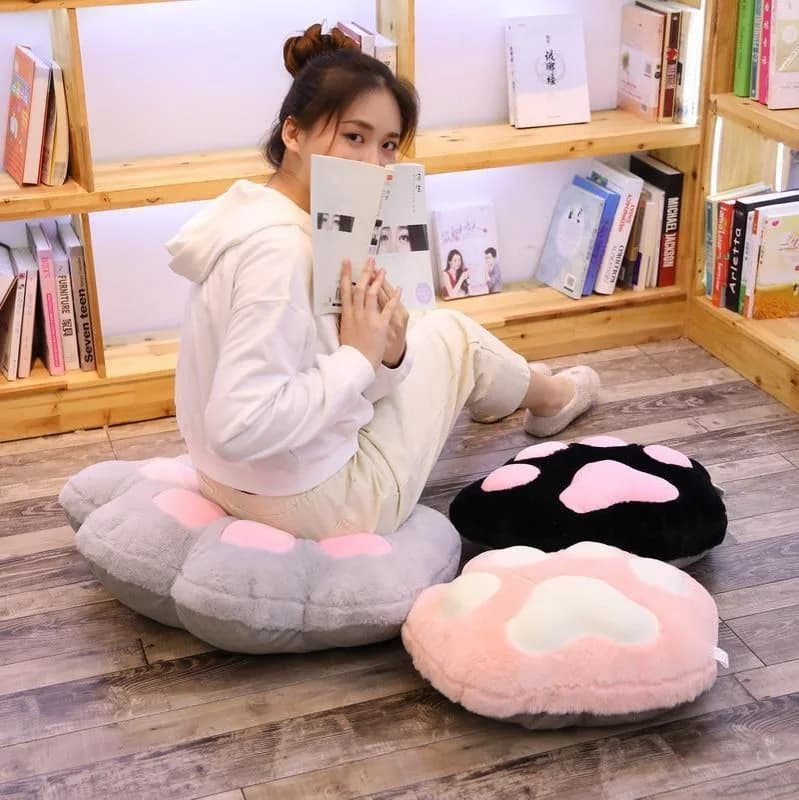
LayeringWearing pieces over or under one another to add depth, warmth or contrast. distinct accents keeps a bed visually balanced. Try placing a Kawaii Cat Paw Pillow Plush in size S or M against standard bed pillows to build depth. Choosing White or Gray provides a gentle neutral match for pastel duvet covers, while Black or Brown offers direct contrast over lighter sheets without overcrowding the mattress.
Walls: pattern, stickers, and renter-friendly tricks
Walls are where a room goes from "decorated" to "designed." You don't need to wallpaper everything. One wall behind the bed is plenty, and a pale paint color can do just as much as a pattern.
If you rent, check your lease first. Removable wallpaper and low-tack hooks exist, but they don't suit every wall finish, so test a small hidden spot before committing. Stickers, washi tape, and lightweight posters are the easiest low-risk options. Use them in clusters instead of scattering them around, because a tight group looks like a gallery and a loose scatter looks like leftovers.
Try a grid of frames in two sizes. Fill them with illustrations, postcards, or your own photos. A string of small pictures clipped along a ribbon is another gentle way to add color without drilling.
Stickers also work on things you own, like the edge of a mirror, a laptop, or a notebook. Keep them to a single zone per object. A mirror with stickers in one corner looks cute. A mirror covered edge to edge is hard to actually use.
Light it softly
Lighting is the cheapest way to change your room's mood. A harsh overhead bulb makes even the prettiest pastel look flat. Warm, low light makes everything feel softer.
Fairy lights are the classic choice for good reason. Drape them along a headboard, around a window frame, or inside a clear jar on a shelf. Check whether they're battery powered, plug-in, or USB before you buy, and plan around your outlets. Don't cover lights with fabric that could trap heat, and don't leave anything plugged in that looks damaged.
Add a small lamp with a warm bulb on your bedside table. Use it as your evening light so you're not switching on the big one. If you want color, pick a lampshade in your palette instead of a colored bulb, which can turn pastels strange.
One easy layout: a string of lights over the bed, a lamp on the side table, and one tiny light on your shelf. Three sources at different heights make the room look deeper and cozier than one bright spot.
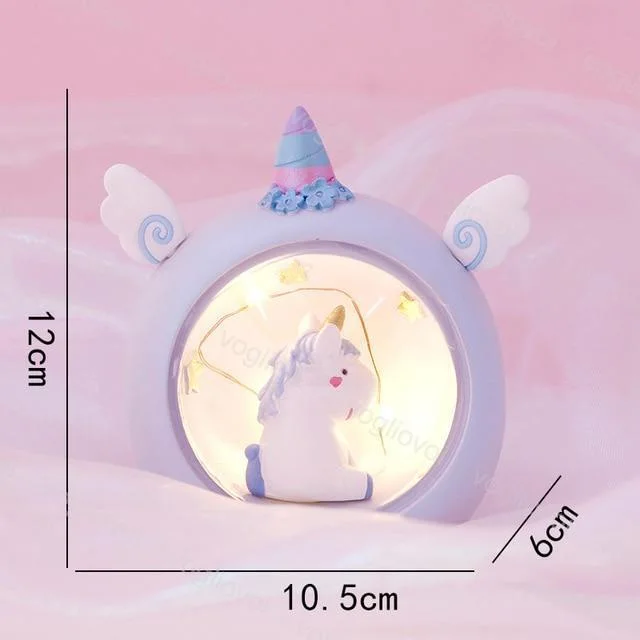
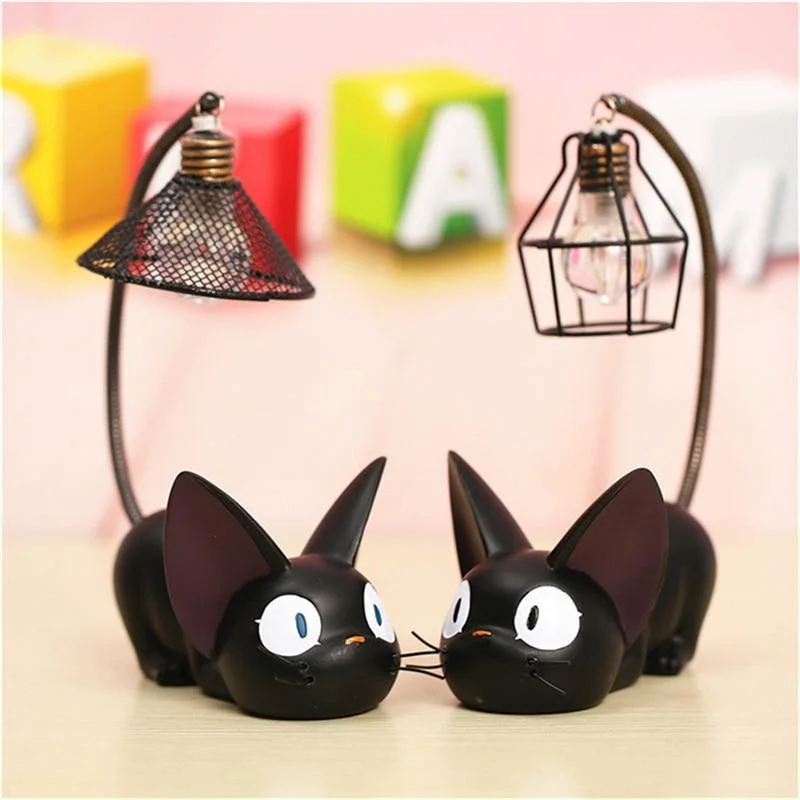
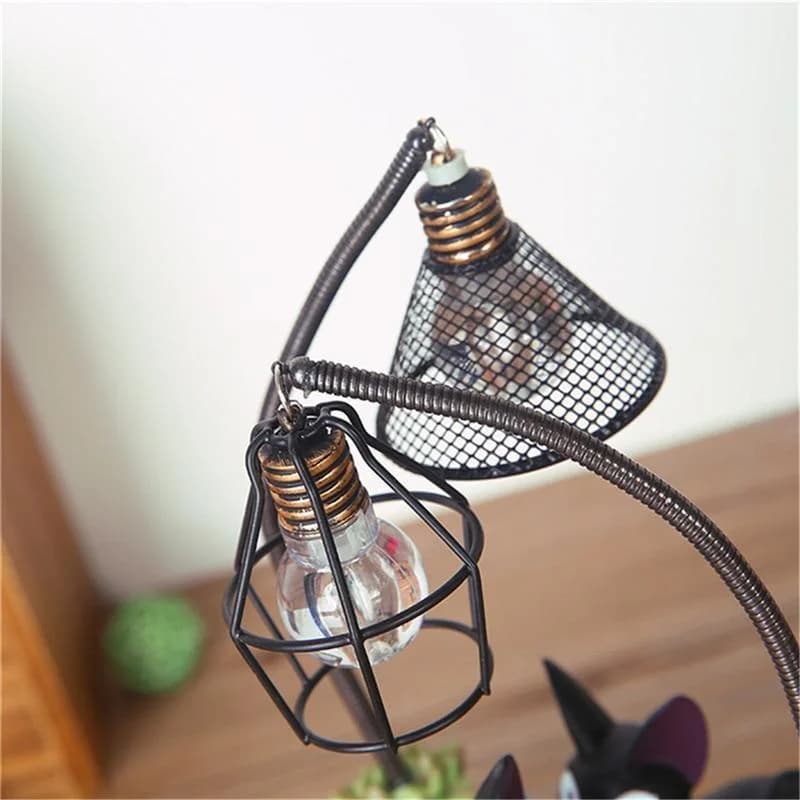
Selecting bedside lighting requires balancing desk space and color scheme. A piece like the Kawaii Black Cat Lamp provides a sharp dark accent against light walls, while the Kawaii Unicorn Lamp in Pink or Blue matches warm or cool pastel themes. Both one-size options sit neatly on a compact nightstand without taking up excess room.


Plushies, shelves, and playful display
Plushies are the signature of a kawaii room, and they look best when they have a home. A pile on the floor reads as clutter. A shelf, a basket, or one corner of the bed reads as a collection.
Choose a display style. A "plushie shelf" uses an open bookcase or a floating shelf with your favorites at eye level. A basket by the bed works if you want quick tidying. A hanging net in a corner saves floor space in a small room, but check that it's mounted securely and rated for the weight.
Mix sizes. One large plush anchors the group, a few medium ones fill in, and tiny ones sit in front. Match the colors to your palette so the group looks styled.
Add non-plush objects between them: a small plant, a candle, a stack of books, a framed print. Themed items can help too. If you love fruit and veggie characters, the Kawaii Avocado collection is a fun starting point for a green-and-cream corner. Remember, plushies collect dust, so plan a quick shake-out or vacuum every so often.
If open display shelves look crowded with soft toys, mix in structured items from the kawaii room decor range. Adding the Kawaii Alpaca Lamp in Blue or Pink creates visual contrast alongside fabric plushies. This spreads out your character accents and lets you repeat specific accent colors across floating shelving units.

Build a vanity or desk you actually use
A cute vanity or desk only works if it's practical. If you can't find your things, you'll end up piling them on the bed.
Start with containers. Trays, small bowls, and jars keep little items together and look neat. A makeup organizer like the Art Hoe Makeup Holder can keep brushes and bits visible, while a pouch like the Kiss Makeup Bag is handy for stashing daily items you take out the door. Pick the one that matches your habits: open storage if you like seeing everything, closed pouches if clutter bothers you.
For a desk, give yourself a clear work zone first, roughly the width of your laptop plus elbow room. Decorate the edges: a mug of pens, a small plush, a framed print, a little lamp. Keep cables tucked behind with clips or a box.
Put a mirror where daylight hits your face, not behind you. That helps with makeup, hair, and getting dressed, and the room feels brighter too. Sticker the frame lightly if you want, but leave the glass clear.
A study desk or makeup vanity stays practical when you choose low-profile tabletop accents. Positioning a compact piece like the Dumpling Lamp in the Happy or Ruyi design right next to stationery organizers adds personality without eating up your writing space. It also provides dedicated tabletop illumination for late-night study sessions.
Bring your style into the room
If you love the way you dress, let it leak into your space. The room and the wardrobe can share a mood, and that's what makes a room feel like yours instead of a store display.
Hooks and open racks let bags become decor. A row of wall hooks by the door can hold a kawaii backpack and a cute everyday bag, ready for the morning. Hang them at a height you can reach easily, and keep heavy ones near the wall studs or on hooks rated for the weight.
Make a small shoe corner. A neat row of kawaii sneakers on a low shelf adds color and keeps the floor clear. Put the pair you wear most at the front.
Small accessories can live on a tray or a pegboard. Jewelry, kawaii accessories, and a kawaii AirPod case look charming in a bowl by your bed, and they're easy to find when you're running late. For colorful basics, pairs like the Mushroom Socks or Kawaii Flower Socks can sit folded in an open basket as part of the display. If you're after more Tokyo-style inspiration for mixing prints and colors, browse the Harajuku and kawaii collection for ideas you can echo in your decor.
Room setups for different spaces and comfort levels
Not everyone has a big, bright room. Here's how to adapt the same ideas to real situations.
Small room or dorm: Stick to one main color and keep surfaces clear. Use vertical space, like wall shelves, over-the-door hooks, and under-bed storage. Choose two statement items, such as bedding and one wall display, and leave the rest simple.
Shared room: Claim a zone. Your side of the room can have its own palette, as long as it's tidy. A curtain, a canopy, or even a folding screen can mark the line. Use lights and bedding to make your bed feel like your own little nook.
Cold climate or drafty room: Lean into texture you can see and touch. A fuzzy rug, a thick throw, and flannel-style bedding make the room look and feel cozy. Keep heaters clear of fabric and plushies.
Warm climate: Choose lighter fabrics and fewer layers. Keep plushies on a shelf instead of the bed so you're not sleeping in a pile. Sheer curtains let light through while softening the view.
Tight budget: Paint or removable wall decor is cheaper than new furniture. Swap pillow covers instead of whole sets. Thrift frames and repaint them in your accent color. Change one thing per month so you can tweak the look as you go.
Common mistakes that make cute rooms feel messy
Too many colors at once. If everything is a different pastel, the room looks busy, not dreamy. Go back to your two or three colors, and let white or cream fill the gaps.
No resting space. Every wall has a poster, every shelf is full, every surface has a figure. Leave some blank areas so the eye can relax. A cute room still needs breathing room.
Ignoring function. A beautiful bed you can't reach, or a vanity with nowhere for your elbows, will annoy you fast. Test how you move through the room before you commit.
Buying everything first, planning later. Online photos are tempting, but sizes can be misleading. Measure, check the listed dimensions, and compare against your numbers.
Forgetting maintenance. Fluffy items and fairy lights collect dust. Pick a quick weekly reset, like putting plushies back and wiping surfaces, so the room stays bright.
Copying a photo exactly. A copied room can feel like it belongs to someone else. Borrow the palette or one idea, then add something personal, like your own drawings or a collection you've kept for years.
FAQs
Quick answers to the questions people ask most when they start planning a kawaii room.
- Where should I start? Choose a palette, then change the bedding. That gives you the biggest effect for the least effort.
- Do I need to repaint? No. Pale walls help, but you can get the look with bedding, lights, and wall decor on a white wall.
- Can I do this on a small budget? Yes. Start with lights, a throw, and a few frames. Add plushies and organizers slowly.
- What if I want a calmer look? Use one color family, like cream and soft pink, and keep decor to a few meaningful pieces.
- How many plushies is too many? When they crowd your sleeping space or you can't tidy them in a couple of minutes. Give them a shelf or basket and stop when it's full.
- How do I keep a kawaii room from looking childish? Choose a muted palette, add mature textures like wood or linen, and keep character decor to one display area.
- Do sheer curtains matter? They're a nice option because they soften daylight, but any curtain that matches your palette works.
- How do I know if something will fit? Measure your space and compare it with the product's listed dimensions. Don't rely on photos alone.